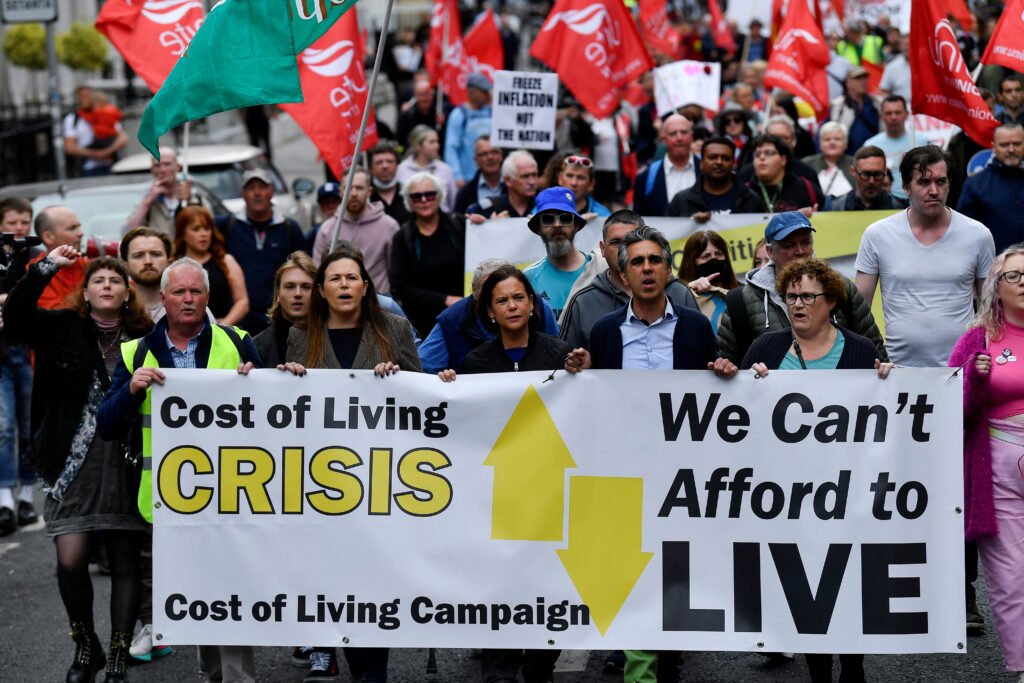
Domestic households face a complex economic landscape defined by persistent inflationary pressures, fluctuating utility costs, and systemic changes to disposable income. While the national economy exhibits strong macroeconomic health, the microeconomic reality for individuals requires strategic planning and proactive financial management.


The Anatomy of Modern Domestic Inflation
Inflation in Ireland is driven by both global supply chain dynamics and domestic capacity constraints. Energy markets remain highly sensitive to geopolitical shifts, causing fluctuations in wholesale electricity and gas prices. Although retail utility companies offer periodic tariff adjustments, the baseline cost of heating a home or powering a business remains significantly higher than historic averages.
Core inflation is also visible in daily consumer habits. Grocery retail chains have faced increased input costs, ranging from agricultural fertilizer expenses to transport logistics. This has translated into higher shelf prices for staples, prompting a structural shift in consumer behavior toward private-label goods and discount supermarket brands.
“Household budgeting in the current climate is no longer about cutting out luxury items; it’s about the clinical, systematic management of fixed utilities and maximizing tax efficiencies that the average worker often overlooks.”
— Sarah Jenkins, Personal Finance Consultant
Budget Allocation Under Inflationary Strain
The way households must prioritize cash flow has shifted dramatically to absorb unyielding price increases across non-discretionary categories:
| Expenditure Category | Traditional Budget Treatment | Modern Inflationary Adjustment |
|---|---|---|
| Home Energy Tariffs | Predictable quarterly billing with low annual variance between providers. | Requires dynamic annual switching to avoid defaulting to high standard variable rates. |
| Grocery Staples | Low-yield consideration focused primarily on brand loyalty and convenience. | Heavy reliance on private-label discount lines and multi-store loyalty tracking. |
| Discretionary Capital | Flexible allocation for luxury travel, dining out, and non-essential leisure. | Strictly monitored and often restricted to absorb rising fixed household utilities. |
| Personal Savings | Standardized, passive monthly allocations to low-interest depository accounts. | Active redirection toward debt reduction or high-yield, tax-efficient investment vehicles. |

Essential Actions for Reducing Monthly Household Expenses
Consumers looking to actively shield their income from inflationary pressures can deploy several highly effective tactics:
- Annual Utility Auditing: Reviewing energy and broadband contracts every 12 months prevents automatic rollover to expensive standard variable tariffs.
- Health Insurance Optimization: Regularly auditing health insurance plans ensures consumers do not pay for redundant coverage elements or outdated hospital lists.
- Discretionary Tracking: Utilizing digital banking applications to categorize micro-transactions reveals hidden drains on weekly capital.
- Tax Credit Maximization: Actively logging into Revenue.ie to claim health expenses, remote working relief, and rent tax credits ensures no money is left behind.

Navigating Workplace Benefits and Financial Supports
Employees should audit their corporate benefits package to extract maximum financial relief from their employers:
- The TaxSaver Commuter Scheme: Allows workers to purchase annual bus, rail, or Luas tickets directly out of their pre-tax salary, saving up to 52% in tax.
- The Cycle to Work Scheme: Tax-free salary sacrifice options to buy bicycles and safety equipment for commuting purposes.
- Tax-Free Small Benefit Exemption: Utilizing corporate gift vouchers up to €1,000 annually without triggering income tax liabilities.


Frequently Asked Questions
What drives high energy costs in Ireland?
High costs stem from a structural reliance on imported fossil fuels, international wholesale market volatility, and the significant capital expenditure needed to upgrade and decarbonize the national electricity grid.
How can Irish taxpayers reduce their annual income tax burden?
Taxpayers can lower their net liability by claiming all eligible tax credits (such as the Rent Tax Credit), using work-related transport schemes, and making tax-deductible pension contributions.
Is switching utility providers genuinely effective for saving money?
Yes, consumers who actively switch electricity, gas, and broadband providers annually can save hundreds of euros by utilizing competitive introductory market rates offered to new customers.