



The Irish property sector remains the single most heavily scrutinized aspect of domestic public policy. For native citizens, returning emigrants, and arriving international professionals, navigating the property ecosystem requires balancing severe supply shortages, shifting legislative frameworks, and escalating structural costs. To understand the trajectory of the modern Irish housing market, one must evaluate the core mechanics of rental pressure zones, development bottlenecks, and state-backed interventions.

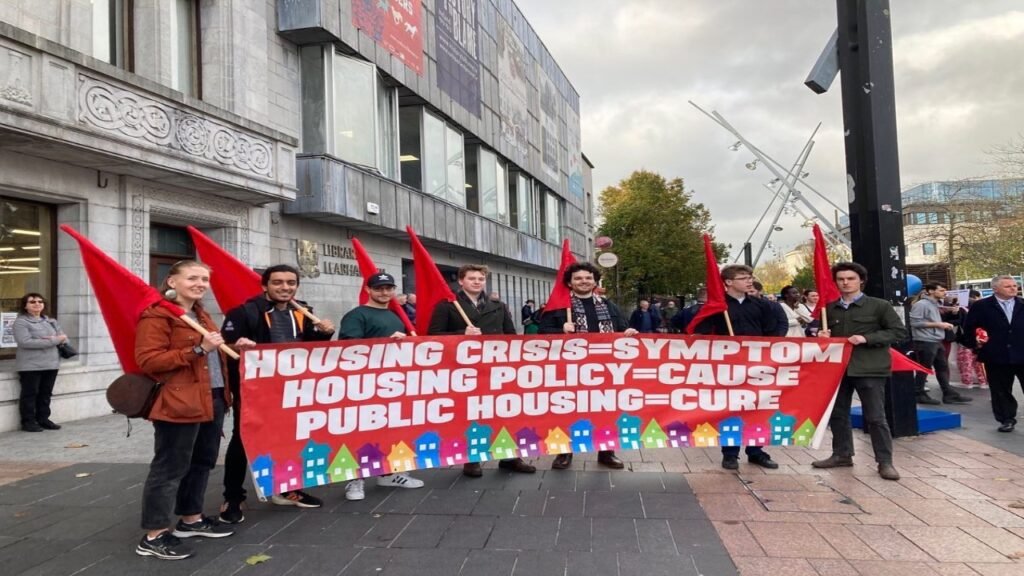
The Mechanics of Supply and Demand in Irish Real Estate
At the heart of the housing crisis lies a fundamental imbalance: structural undersupply failing to meet the demands of a rapidly growing economy and population. Urban centers, particularly Dublin, Cork, Galway, Limerick, and Waterford, face intense competition for residential space. While residential construction completions have risen due to targeted capital injections, the deficit built up over the preceding decade of under-construction remains substantial. For institutional developers and private buyers alike, the financial landscape is shaped by volatile building material costs, acute labor shortages, and strict compliance with updated environmental building regulations.
Furthermore, the secondary market—homes being resold—has experienced reduced liquidity. Many homeowners holding historic, low-fixed-rate mortgages are reluctant to trade up or down, further reducing the volume of available stock. This lack of fluid supply forces a larger percentage of the population into the long-term rental market, compounding pressure on an already strained sector.
“The structural deficit in our housing stock cannot be fixed overnight. We are looking at a multi-decade development challenge where state investment must consistently lock arms with private sector efficiency to meet our annual targets.”
— Michael O’Leary, Senior Housing Policy Analyst
Analysing the Irish Rental Market Dynamics
The rental landscape operates under rigid regulatory constraints designed to balance tenant security with landlord retention. The table below outlines how these market forces interact:
| Core Market Pillar | Primary Systemic Advantage | Critical Operational Challenge |
|---|---|---|
| Rent Pressure Zones (RPZs) | Mandated caps protect tenants from sudden, predatory rent spikes in high-demand areas. | Artificially limits mobility and can lead to a two-tier pricing system for new builds. |
| Tenure Security Protocols | Long-term leases grant families stability, reducing the risk of arbitrary evictions. | Makes property reclamation difficult for independent landlords needing to liquidate assets. |
| Regulatory Arbitration (RTB) | Provides a clear, legally binding framework for resolving disputes without standard court costs. | Case processing backlogs create lengthy delays for both aggrieved tenants and landlords. |
| Institutional Build-To-Rent | Injects high volumes of modern, energy-efficient apartment units directly into urban centers. | Focuses heavily on premium, high-cost tenancies rather than affordable starter homes. |


Critical Roadblocks in Irish Housing Delivery
To accelerate the delivery of housing stock, policymakers and developers must confront several systemic issues:
- The Planning Permission Backlog: High volumes of appeals and a complex judicial review system mean major housing developments can remain stuck in legal limbo for years.
- Infrastructure Lead Times: Building high-density apartment blocks in commuter belts is non-viable without corresponding upgrades to public transport links, wastewater treatment facilities, and electrical grid capacity.
- The Exit of Small-Scale Landlords: Burdened by high taxation rates on rental income and complex regulatory changes, individual landlords are selling up, reducing the net pool of private rental units.
- High Construction Input Costs: High global material costs coupled with a lack of localized trade labor keep the minimum cost of building a standard three-bedroom home prohibitively high.

Understanding State-Backed Housing Interventions
The government has deployed a series of financial incentives to bridge the affordability gap for first-time buyers:
- The Help-to-Buy (HTB) Scheme: A tax rebate initiative designed to assist buyers with the deposit required for newly built homes.
- The First Home Scheme: A shared-equity initiative where the state co-purchases a percentage of the property alongside the buyer to lower mortgage requirements.
- Local Authority Affordable Purchase: Direct build programs where local councils sell newly constructed homes to eligible applicants at below-market rates.

Frequently Asked Questions – FAQs
What is a Rent Pressure Zone (RPZ) in Ireland?
An RPZ is a designated geographic area where rent increases are legally capped to protect tenants from sudden market spikes. These caps apply to private tenancies unless the property qualifies for a specific statutory exemption, such as a major structural renovation.
How does the Residential Tenancies Board (RTB) protect tenants?
The RTB provides a formal, legally binding framework for dispute resolution, enforces mandatory landlord registration, and ensures that notice periods, evictions, and rent reviews comply fully with current Irish housing law.
Why are planning permissions frequently delayed in Ireland?
Delays typically stem from a high volume of third-party appeals, complex judicial reviews, and strict environmental and structural compliance checks required by local planning authorities before breaking ground.




