


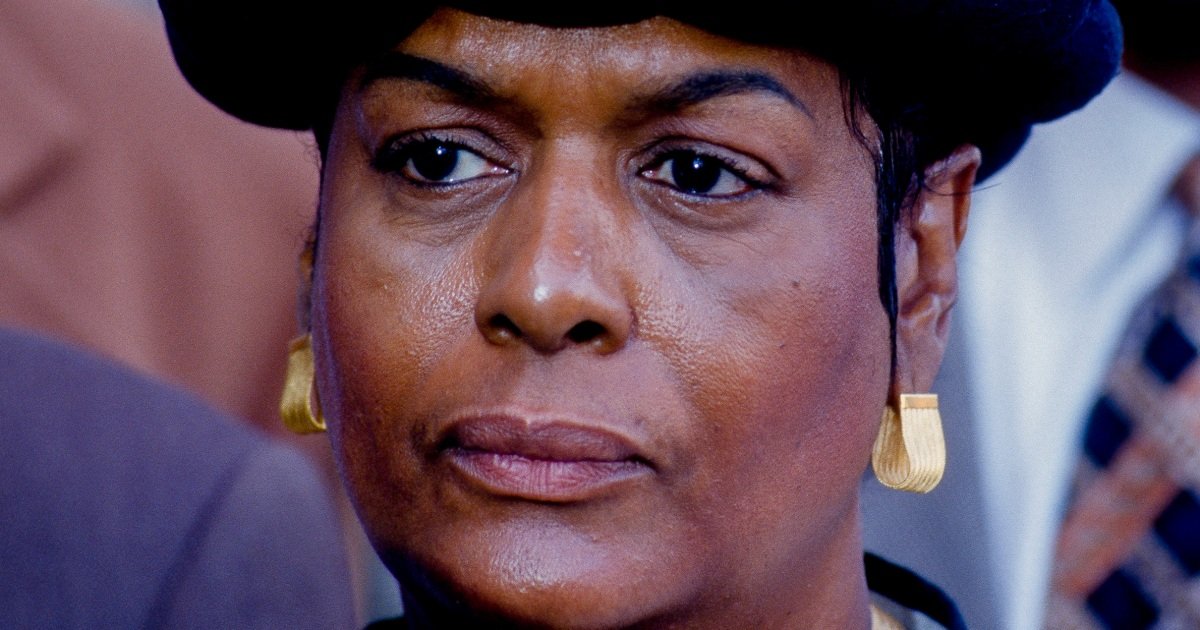
Khadijah Farrakhan, the longtime wife of Nation of Islam leader Louis Farrakhan, has died at the age of 90, according to an announcement from the organization. While this is a major international faith and community story, it also enters the wider stream of Ireland breaking news readers follow as global religious and political developments continue to shape conversations far beyond the United States.
The Nation of Islam said Farrakhan died on Saturday. In a statement issued by its Shura Executive Council, the group said Louis Farrakhan shared the news “with deep sadness yet with profound gratitude to Allah,” describing her as his beloved wife of 72 years and the first lady of the movement. Funeral arrangements have not yet been announced.
Khadijah Farrakhan’s Life and Public Role
Born Betsy Ross, she married Louis Walcott in Boston on September 12, 1953, before both later adopted Islamic names. She converted to Islam in 1955, the same year her husband joined the Chicago-based movement after being influenced by Malcolm X.
Over the decades, Khadijah Farrakhan became a visible and respected figure within the Nation of Islam. Although Louis Farrakhan was the movement’s best-known public face, she was widely seen as a steady presence beside him through major organizational milestones, family life, and public events.
- She was married to Louis Farrakhan for 72 years.
- The couple had nine children.
- She lived with her family at Mosque Maryam on Chicago’s South Side.
- She spoke publicly on the role of women, family and faith within the community.
Tributes Follow Announcement of Her Death
After news of her passing emerged, messages of remembrance began circulating from members of the Nation of Islam and supporters online. Mosque Maryam praised her as a devoted follower with a “precious soul” and a “sweet heart.”
Musician ZaRio Son Rise wrote on Facebook that Khadijah Farrakhan was “a true queen, a righteous woman, and one of the greatest examples of dignity, faith, loyalty, and grace.”
For many observers, the reaction reflects the quiet but lasting role she held in a movement often defined by its more controversial public leadership. In the context of latest Irish news audiences tracking influential global figures, her death marks the end of a significant personal and symbolic era.
Read More: Latest headlines from Daily Digest
Her Place in Nation of Islam History
Khadijah Farrakhan’s life was closely tied to the modern history of the Nation of Islam. Her husband rose to prominence after the 1965 assassination of Malcolm X, eventually becoming one of the movement’s most influential leaders. One of the defining moments of that era was the 1995 Million Man March in Washington.
Two years later, Khadijah Farrakhan addressed the Million Woman March in Philadelphia, where she said, “A nation can rise no higher than its women.” She added that families must rise together, including men, women and children.
That speech remains one of her most cited public remarks and highlighted the themes she was often associated with:
- Faith and discipline
- Family unity
- Women’s leadership
- Community responsibility
Explore More: More world and current affairs coverage on Media Digest
Why This Story Matters Beyond the US
For readers interested in Irish politics news and wider international affairs, this story matters because prominent religious movements in the US often influence debate on race, identity, activism and public leadership globally. Khadijah Farrakhan was not merely the spouse of a famous leader; she was part of the institutional memory of a movement that has shaped decades of social and political discussion.
As live updates Ireland readers increasingly follow world news in real time, her death is a reminder that figures outside elected office can still leave a lasting mark on public life. Khadijah Farrakhan’s passing closes a notable chapter in American religious history and will likely prompt renewed reflection on the legacy of the Nation of Islam.
Article/Image Courtesy: NBC News