


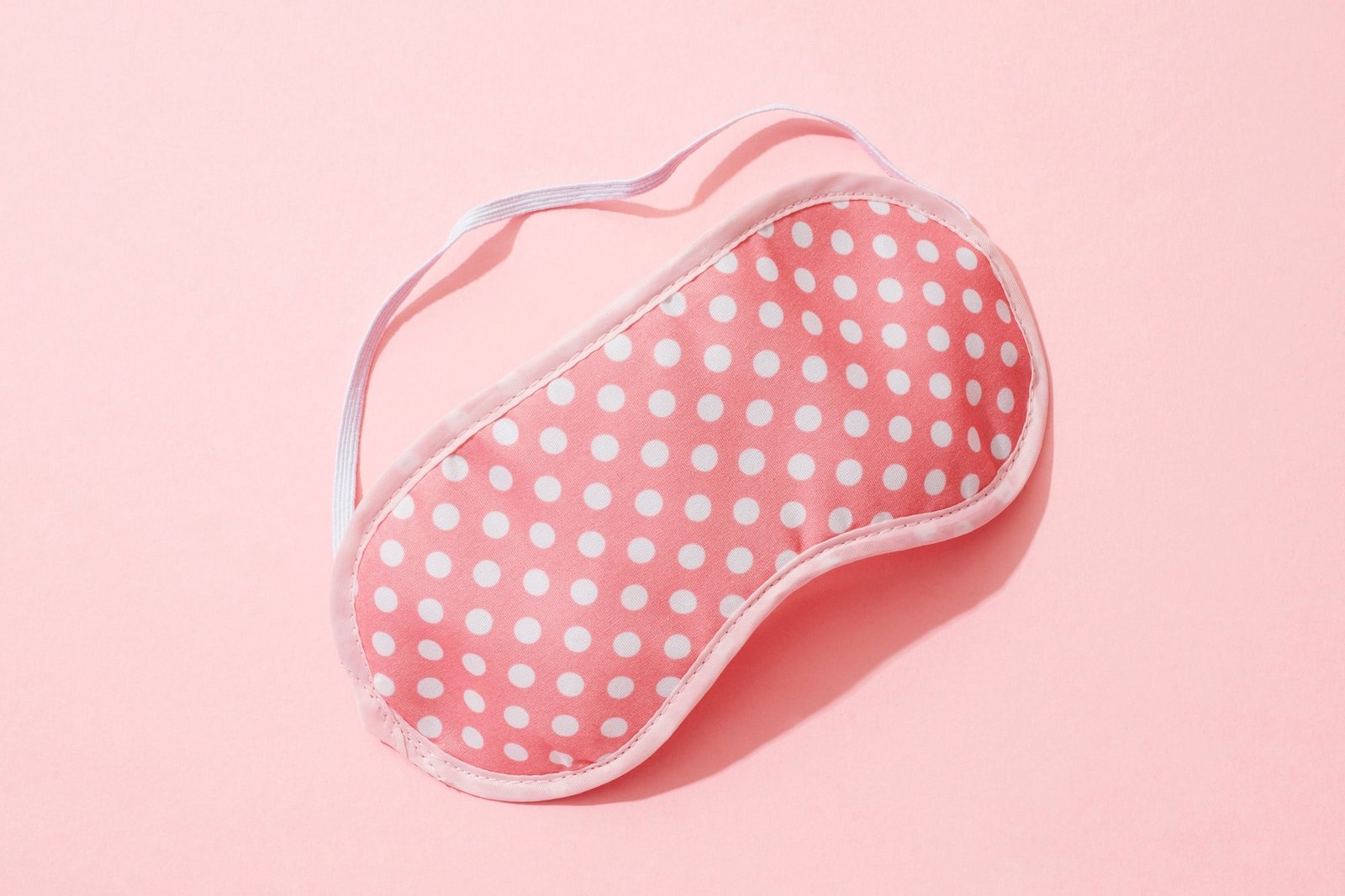
Falling asleep quickly can feel like a superpower when your brain refuses to switch off. That’s why the daily trending topic of the military sleep method has caught so much attention: it promises a calmer mind, a looser body, and, in theory, sleep in as little as two minutes.
The technique has been circulating online for years, but renewed interest has pushed it back into the wellness conversation. Inspired by a first-person review of the method, we looked at what it involves, what science says about it, and whether it sounds like a realistic fix for people dealing with occasional insomnia, restless nights, or bedtime anxiety.
Why the daily trending topic of the military sleep method is everywhere
The military sleep method is often linked to Bud Winter’s 1981 book Relax and Win: Championship Performance. Winter described a relaxation routine reportedly used to help military trainees drift off under pressure. Over time, the idea evolved into a viral sleep hack, often repeated with the bold claim that it can help almost anyone fall asleep in 120 seconds.
That headline promise is exactly why it has become a daily trending topic. In a culture obsessed with better sleep, faster recovery, and wellness shortcuts, any method that sounds simple and effective is bound to spread quickly across social media, health blogs, and lifestyle sites.
What is the military sleep method?
At its core, the method blends three familiar relaxation tools:
- Progressive muscle relaxation — releasing tension from head to toe
- Slow, deep breathing — helping the nervous system settle
- Visualisation — imagining a peaceful, pleasant scene
The usual version goes something like this:
- Lie back in a comfortable position.
- Relax your face, including the jaw, tongue, and the muscles around the eyes.
- Drop your shoulders and let your arms go heavy.
- Breathe out slowly and release tension through your chest and legs.
- Picture a calming image, such as lying in a canoe on still water or resting in a quiet dark room.
- If distracting thoughts appear, gently return to the visualisation or a simple repeated phrase.
It sounds straightforward, but anyone who has dealt with insomnia knows the hard part is not understanding the steps — it is getting your mind to cooperate.
Does the military sleep method actually work?
This is where the daily trending topic needs a reality check. There does not appear to be strong direct evidence proving the two-minute claim. Sleep experts have pointed out that while the method itself has not been robustly studied as a single packaged technique, its individual parts are backed by research.
That distinction matters. Progressive muscle relaxation has been associated with improved sleep onset in some studies. Deep breathing may help reduce physical arousal and stress. Guided imagery and mental distraction can also make it easier to stop spiralling into anxious thoughts at bedtime.
So while the military sleep method may not be a guaranteed instant-off switch, it is built from tools that many clinicians already recommend for better sleep hygiene and relaxation.
A realistic expectation
The original claim often leaves out an important detail: this was never meant to be magic on night one. Accounts connected to the method suggest it may take weeks of practice before it feels natural. That makes sense. Relaxation is a skill, and most sleep techniques work better with repetition than with one-off testing.
Read more: Daily Digest | Media Digest | Luxe Digest
What one week of trying it suggests
In the original first-person experience that sparked this daily trending topic, the writer said the first few attempts felt clumsy. Their mind wandered, the sequence kept getting interrupted, and the routine had to be restarted more than once. That will sound familiar to many people trying any bedtime meditation for the first time.
But by the middle of the week, the act of starting the method itself reportedly began to feel calming. By the final night, sleep seemed to arrive much faster than it had at the beginning of the experiment. It was not the promised two minutes, but it was still a meaningful improvement.
That may be the most useful takeaway from this daily trending topic: success does not have to mean immediate knockout sleep. If a method shortens the time it takes to fall asleep, reduces bedtime stress, or helps you settle again after waking in the night, that is still valuable.
Who might benefit most?
The military sleep method may be worth trying if you:
- Struggle to switch off after a busy day
- Feel physically tense when you get into bed
- Wake during the night and find it hard to drift off again
- Prefer a non-medication sleep technique
It may be less effective if your sleep problems are linked to an underlying condition such as chronic insomnia, sleep apnoea, severe anxiety, or illness. In those cases, professional guidance matters more than any viral sleep trend.
Explore more: Latest on Daily Digest | Features at Media Digest | Lifestyle on Luxe Digest
Final verdict on this daily trending topic
The military sleep method probably will not send most people to sleep in two minutes flat. But as a daily trending topic, it earns its attention because it combines several evidence-based relaxation habits into one easy routine.
If you try it, think of it less as a miracle hack and more as bedtime training. Used consistently, the daily trending topic of the military sleep method may help you relax faster, worry less about sleep, and build a more dependable wind-down routine over time.
Article/Image Courtesy: BuzzFeed