


The early picture of World Cup 2026 is beginning to sharpen. After a breathless opening phase spread across North America, the expanded tournament has already delivered elite quality, surprise packages and the kind of emotional swings that define football’s biggest stage.
With the field cut down and attention turning to the last 32, the discussion is no longer just about reputation. Performances are now shaping the wider narrative of the FIFA World Cup 2026, from heavyweight contenders such as France and Argentina to breakout nations who have seized their moment.
What the group stage told us about World Cup 2026
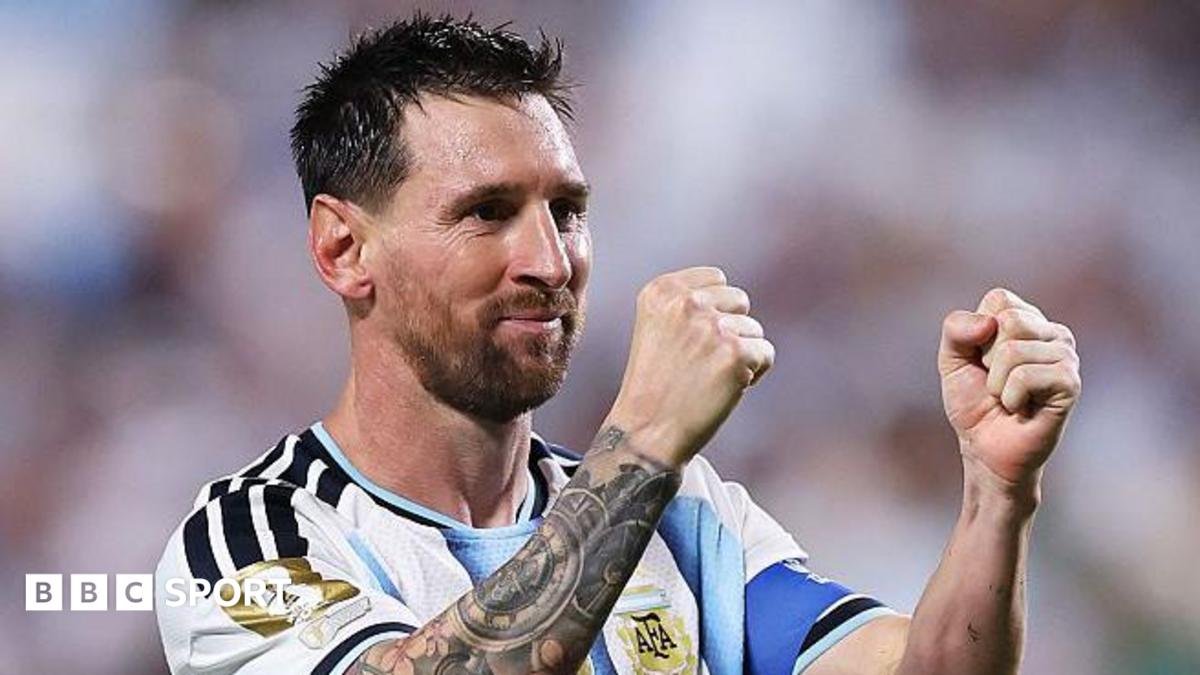
If there is one clear theme from the first round, it is that balance matters as much as brilliance. France have looked especially convincing, combining attacking speed with squad depth, while Argentina have paired Lionel Messi’s enduring class with defensive control. Both sides have shown why they will be central to any serious conversation about the World Cup 2026 knockout stage.
- France have impressed with intensity, rotation and firepower.
- Argentina have blended structure with individual quality.
- Several smaller nations have changed the tone of the tournament with fearless displays.
The broader World Cup 2026 format has also added fresh intrigue. The expanded competition has widened access, and that has produced more varied matchups, stronger underdog narratives and a livelier debate around which World Cup 2026 teams are best equipped for the business end.
Read more: Transfer market shifts reshaping elite football
Messi, Mbappe and the players driving the tournament
No major competition escapes the pull of its biggest stars, and World Cup 2026 has been no different. Messi’s influence remains extraordinary, not only in goals but in tempo, movement and composure. Kylian Mbappe, meanwhile, has looked explosive and decisive, underlining why France are considered one of the strongest sides in the competition.
Yet the tournament has not belonged solely to the established icons. Emerging names have added texture and unpredictability, giving the Football World Cup 2026 a sense of renewal as well as continuity.
- Messi has once again elevated Argentina’s attack.
- Mbappe has led France with authority and acceleration.
- Younger players have seized the spotlight with fearless performances.
Explore: How modern sports coverage is changing fan experience
The moments and matches fans will remember
The best tournaments are built on contrast: giants asserting themselves, outsiders refusing to yield, and one-off moments that live well beyond the final whistle. That has been a defining feature of World Cup 2026 so far.
Among the standout themes:
- Entertaining draws that felt as dramatic as knockout ties.
- Historic goals for nations new to this level.
- Atmospheres across the World Cup 2026 host countries that have given the event a distinct identity.
Support across the USA World Cup 2026, Mexico World Cup 2026 and Canada World Cup 2026 staging has reinforced the scale of this edition. The tournament’s reach is vast, but its most compelling stories remain deeply human.
Read more: A smarter travel guide for major sporting events
What comes next
Attention will now shift to the sharper edges of the bracket, where the World Cup 2026 schedule, pressure and fine margins will start to define legacies. The group phase has offered clues, but not certainty. France look powerful, Argentina look measured, and a handful of surprise challengers have already proved they belong.
The key takeaway is simple: World Cup 2026 has moved beyond opening-week spectacle and into serious competitive territory. If the knockout rounds match the energy, quality and emotion of what we have seen so far, this tournament could become one of the most memorable in modern football history.
Explore: Why fan culture shapes the biggest nights in sport
Article/Image Courtesy: BBC