


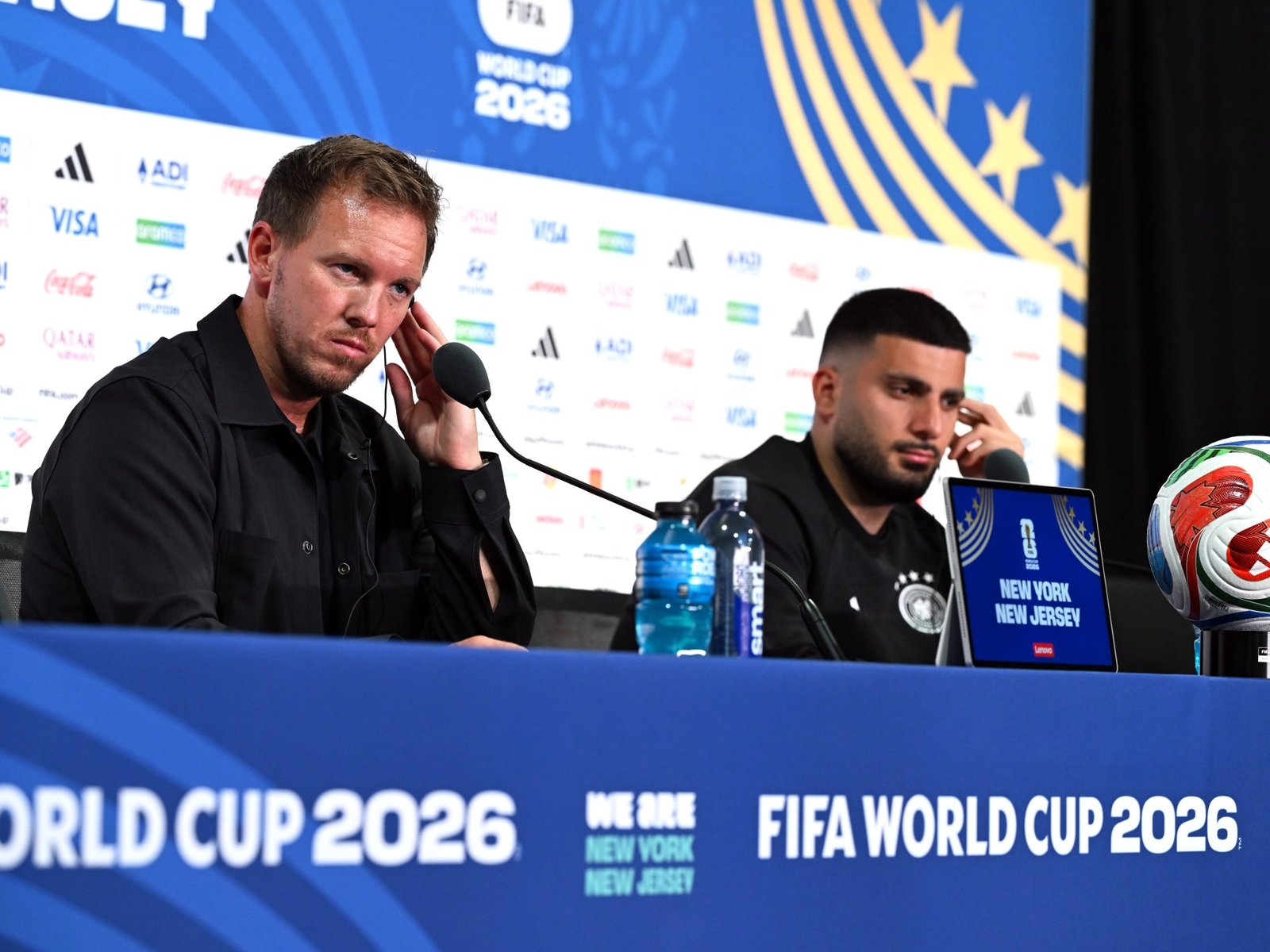
Germany’s latest World Cup exit is dominating Europe news, but the real story runs deeper than one defeat. After another early collapse on the global stage, the debate in German football has once again drifted toward blame, identity and individual fault instead of the structural failures that have been building for years.
Germany were knocked out after losing to Paraguay, marking a third straight failure to reach the World Cup round of 16. For a nation with four world titles, that record is startling. Yet rather than focusing solely on tactics, player development and leadership, public discussion has once again veered toward scapegoating figures within the squad.
That broader pattern matters far beyond sport, which is why the story also resonates in ireland news and wider irish news coverage, where audiences increasingly follow how identity, migration and public pressure shape major institutions across Europe.
Europe news: Why Germany’s crisis is about more than one loss
On the surface, Germany’s defeat to Paraguay looks like another footballing disappointment. But criticism after the match sharpened around striker Deniz Undav, who was singled out by coach Julian Nagelsmann for a missed attacking moment early in the game.
The comments reignited concerns that German football keeps reaching for an easy target when results go wrong. Instead of a full reckoning with strategy and selection, one player became the symbol of failure.
This is not a new pattern. After Germany’s 2018 World Cup exit, Mesut Ozil and Ilkay Gundogan, both of Turkish heritage, were heavily criticised after meeting Turkish President Recep Tayyip Erdogan before the tournament. When Germany crashed out in the group stage, the backlash intensified, and Ozil eventually retired from international football, saying he had been made a scapegoat.
Eight years later, the circumstances are different, but the instinct feels familiar. For many observers across Europe news, the issue is no longer just Germany’s elimination record. It is the culture around failure and who gets blamed for it.
Deniz Undav becomes the latest flashpoint
Undav’s tournament contribution makes the criticism especially striking. He played a key role in Germany’s earlier group matches, producing decisive goal involvements that helped keep the side alive. Without those moments, Germany could have been out even earlier.
His relationship with Nagelsmann has also appeared uneasy for months:
- He was criticised after scoring in a March friendly.
- Questions were raised publicly about his fitness and link-up play.
- His post-match comments after the Ecuador defeat were dismissed by the coach.
- After the Paraguay loss, he was again singled out in the immediate reaction.
That sequence has fuelled debate over whether Germany’s management has created a healthy environment for players under pressure.
Read more: latest ireland news updates and in-depth Irish current affairs coverage
German football’s deeper problem starts with the system
Germany’s decline cannot be explained by one missed chance or one player. The more serious issue is whether the German Football Federation has stopped challenging its own assumptions.
After disappointing tournaments in the early 2000s, Germany rebuilt successfully. The federation invested in youth academies, emphasised technical quality and modern coaching, and eventually produced the team that won the 2014 World Cup in Brazil.
That reform model was once held up across Europe news as the standard for long-term football planning. But the current slump raises difficult questions:
- Has the academy system become too rigid?
- Are late-developing talents being overlooked?
- Has data-heavy coaching replaced instinct and adaptability?
- Are managers too quick to protect systems rather than empower players?
Undav’s career path is central to that debate. He did not emerge from Germany’s elite academy pipeline as a teenage prodigy. He worked outside top-level football, climbed through the lower leagues, moved abroad, kept scoring and eventually forced his way into elite competition. His story suggests that valuable talent can still be missed by a system designed to identify it early.
What Germany’s penalty collapse and tactics revealed
Germany’s loss to Paraguay also exposed a team lacking composure in the moments where the country once thrived. For decades, Germany were known for control under pressure. Before this defeat, they had never lost a World Cup penalty shootout. Missing three penalties in one match symbolised a side short on clarity and confidence.
Tactical confusion has also been a recurring criticism. Nagelsmann is regarded as an innovative coach, but his constant adjustments and selection choices have drawn scrutiny. When a team lacks rhythm, confidence and a settled identity, blame directed at one forward only goes so far.
For readers following ireland news and irish news, there is a wider lesson here: institutions often struggle most when they stop confronting systemic weaknesses and instead personalise failure.
Explore more: best Irish media analysis, breaking ireland news and long-form reporting | European culture, global affairs and premium lifestyle stories for Irish readers
What happens next for Germany?
Germany now face a choice. They can continue framing exits around isolated moments and individual errors, or they can ask tougher questions about coaching, recruitment, player trust and development pathways.
The key takeaways are clear:
- Scapegoating players does not solve structural problems.
- Germany’s academy success story may now need its own overhaul.
- Leadership and communication matter as much as tactics.
- Late-blooming players like Undav can expose blind spots in elite systems.
Germany’s latest exit will remain a major talking point in Europe news, but the bigger issue is cultural and institutional. If German football wants to compete seriously for future World Cups, it must move beyond blame and confront why its system is no longer producing resilience, clarity and trust at the highest level.
That is the real lesson from this tournament — and the reason this story matters not just in Germany, but across ireland news, irish news and the wider European sports conversation.
FAQs
Why is Germany’s World Cup exit such a major Europe news story?
Because Germany are one of football’s most successful nations, and a third straight failure to reach the knockout stage points to a much deeper crisis than a single bad result.
Why has Deniz Undav been at the centre of the debate?
Undav was publicly criticised after the Paraguay defeat, even though he had contributed important goals earlier in the tournament. That has led to accusations of scapegoating.
What is the main criticism of the German football system?
Critics argue that Germany is failing to reassess its academy model, coaching decisions and player-management culture, instead focusing too heavily on individuals when results go wrong.