


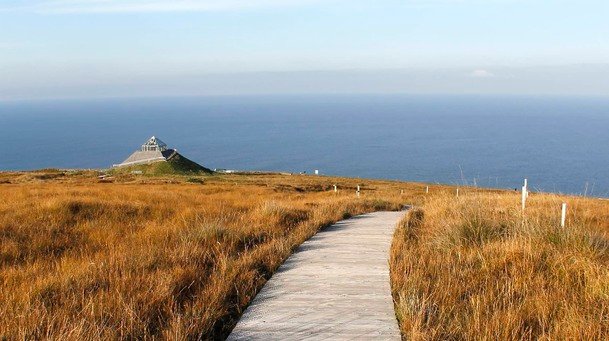
If you are searching for food Ireland inspiration beyond the usual city dining lists, Céide Fields in County Mayo offers a surprising starting point. This dramatic Atlantic destination is best known for archaeology, but it also opens a deeper conversation about Irish food, farming traditions and the landscape that still shapes what ends up on the plate today.
Set on sea cliffs near Ballycastle in North Mayo, Céide Fields preserves one of the world’s oldest known stone-walled field systems, dating back more than 6,000 years. Long before modern Irish food culture celebrated farm to fork menus, artisan producers and sustainable food Ireland trends, people here were already building walls, sowing crops and working the land. For anyone interested in food Ireland, this is more than a heritage stop: it is a window into the earliest roots of local food Ireland.
Céide Fields and the Origins of Food Ireland
At first glance, Céide Fields looks like a vast blanket bog overlooking the Atlantic. Underneath that peat lies an extraordinary Neolithic farming landscape, complete with field boundaries, dwellings and megalithic tombs. The site predates the pyramids by over 2,000 years, making it one of the most powerful places to understand how food production shaped early communities.
For readers interested in Irish food, traditional Irish food and what to eat in Ireland, Céide Fields helps explain the country’s long agricultural story. The site reminds us that the foundations of food Ireland were built not in restaurants, but in fields, in seasonal harvests and in a close relationship with weather, land and survival.
Why it matters for food lovers
- It connects modern Irish food trends to ancient farming practices.
- It highlights the origins of local food Ireland and sustainable food Ireland.
- It adds cultural depth to any Mayo or Wild Atlantic Way food trip.
- It pairs naturally with regional experiences such as Irish seafood, pub food Ireland and artisan food Ireland.
Read more: food news Ireland | food and drink Ireland
What to See at the Visitor Centre
The award-winning visitor centre gives the story real texture. Through immersive audio-visual displays, interactive exhibits and period artefacts, visitors can explore how Neolithic communities lived and farmed. One standout feature is the infinity box model, which recreates what Céide Fields may have looked like in the Neolithic era, using mirrors and projection to create the illusion of a vast living landscape.
This experience is especially valuable for travellers building an itinerary around food Ireland, Irish food culture and the rural heritage behind today’s best places to eat Ireland. It shows how farming was central to daily life long before the era of Michelin restaurants Ireland, food markets Ireland or modern restaurant reviews Ireland.
A Wild Atlantic Way Stop with Real Taste of Place
Céide Fields is also one of the most visually striking stops in Mayo. The rust-coloured boglands, rugged cliffs and sweeping Atlantic views create a sense of standing at the edge of the world. The viewing platform beside the visitor centre captures the full drama of the coastline and makes clear why this region inspires such a strong sense of place in Irish food.
Nearby, Ballycastle and wider Mayo offer excellent ways to continue the story through the table. Think home cooking, seafood chowder recipe favourites, brown bread recipe traditions and the kind of hearty fare that defines family meals Ireland. Attractions such as Mary’s Cottage Kitchen underscore how heritage and hospitality remain tightly linked in this corner of food Ireland.
Explore more: best places to eat Ireland | Irish food trends
Belderrig Valley and the Story Beneath the Bog
Visitors who want more depth should look at the Belderrig Valley Experience, a walk that explores the science, archaeology and folklore behind the site. The story is closely tied to Professor Séamus Caulfield and his family. His father first identified the hidden stone walls in 1934, and later excavations helped map the ancient field system without stripping away the bog.
For those writing a food blog Ireland itinerary or planning a culture-led road trip, this context matters. It shows that food Ireland is not just about dishes or dining guides. It is about land use, preservation, rural memory and the long evolution from subsistence farming to today’s vibrant food and drink Ireland scene.
Planning Your Visit
- Open seasonally from April to November; winter group bookings may be possible.
- Allow around two hours for the full visit.
- Start with the 20-minute audio-visual presentation before the guided walking tour.
- Bus Éireann route 446 runs from Ballina; drivers should follow the R314.
- Bring waterproof clothing and sturdy footwear, as Mayo weather can change quickly.
FAQ
Is Céide Fields relevant for food-focused travel in Ireland?
Yes. It offers rare insight into the agricultural origins of food Ireland and helps connect modern Irish food with ancient farming traditions.
How long should you spend at Céide Fields?
Most visitors should allow about two hours, including the visitor centre and guided walk.
What food experiences pair well with a Céide Fields visit?
North Mayo’s home cooking, Irish seafood, local cafés and traditional baking make a strong complement to the site.
Is it suitable for Wild Atlantic Way travellers?
Absolutely. The cliffs, ocean views and cultural significance make it a standout Mayo stop.
In a country celebrated for restaurants, markets and regional produce, Céide Fields is a reminder that the story of food Ireland begins with the land itself. Visit for the archaeology, stay for the Atlantic beauty, and leave with a richer understanding of how Irish food culture was shaped over thousands of years.
Article/Image Courtesy: Ireland.com