


France delivered one of the sharpest statements of the World Cup 2026 so far, brushing aside Norway 4-1 in Boston as Ousmane Dembele turned a marquee contest into a one-man exhibition. What had been framed as a heavyweight duel involving Kylian Mbappe and Erling Haaland instead became a lesson in squad management, attacking depth and the fine margins that shape the FIFA World Cup 2026.
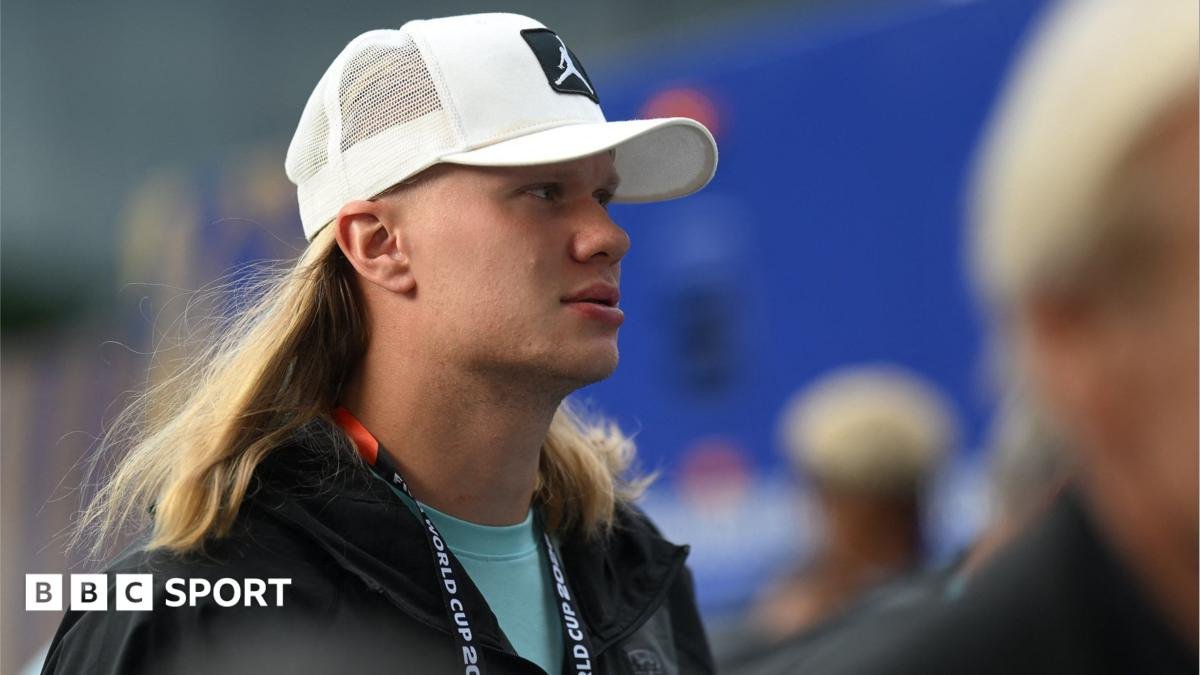
Norway had already secured progress from the group, but manager Stale Solbakken’s call to heavily rotate his side dominated the build-up. Haaland was left out from the start, and with several regulars rested, France found space early and ruthlessly exploited it. Dembele’s first-half hat-trick effectively ended the contest before Norway could settle, underlining why France look like serious contenders in the Football World Cup 2026.
What this result means for World Cup 2026
France’s perfect group-stage return gives them momentum heading into the World Cup 2026 knockout stage, where control, freshness and travel logistics become just as important as talent. Topping the section also offers a more manageable route on paper, while Norway must now deal with a demanding cross-country trip before their next tie.
- France finished top of the group with three wins from three
- Norway advanced despite the defeat
- Dembele emerged as one of the standout attacking performers of the tournament
- Squad rotation has become a major talking point in the 48 team World Cup
In a tournament spread across the World Cup 2026 host countries, travel and recovery are shaping decisions as much as tactics. That wider context may yet justify Norway’s gamble.
Read more: Explore more football analysis
Norway’s selection call explained
Solbakken’s thinking was clear: preserve legs, protect key players and focus on the bigger picture. With a short turnaround between matches, Norway chose caution over momentum. It was a risky call against elite opposition, especially with France fielding an attack packed with pace and invention.
Critics will argue the changes surrendered any realistic chance of topping the group. Supporters of the decision will point to Norway’s inexperience at this level and the physical demands created by the World Cup 2026 schedule, World Cup 2026 dates and long-distance movement between World Cup 2026 venues.
Explore: More international sports coverage
Why France look built for the long run
France were fast, composed and clinical. Even with much of the attention on Mbappe, it was Dembele who provided the cutting edge, thriving in the spaces Norway left behind. Their balance across the pitch suggests they are well equipped for the demands of the World Cup 2026 fixtures, whether the challenge is technical, physical or tactical.
For fans tracking the World Cup 2026 teams, this was a reminder that tournament football often rewards depth over dependence on one star name. France had multiple match-winners; Norway looked like a side keeping something in reserve.
Read more: Explore featured stories and event coverage
The bigger takeaway before the next round
This was more than a routine group win. It highlighted how the World Cup 2026 format can force coaches into difficult compromises between ambition and preservation. France march on looking polished and dangerous, while Norway leave with questions but also with their main objective still intact.
As the World Cup 2026 moves into its decisive phase, this match may be remembered as the night France sharpened their title credentials and Norway bet on tomorrow rather than today.
Article/Image Courtesy: BBC