


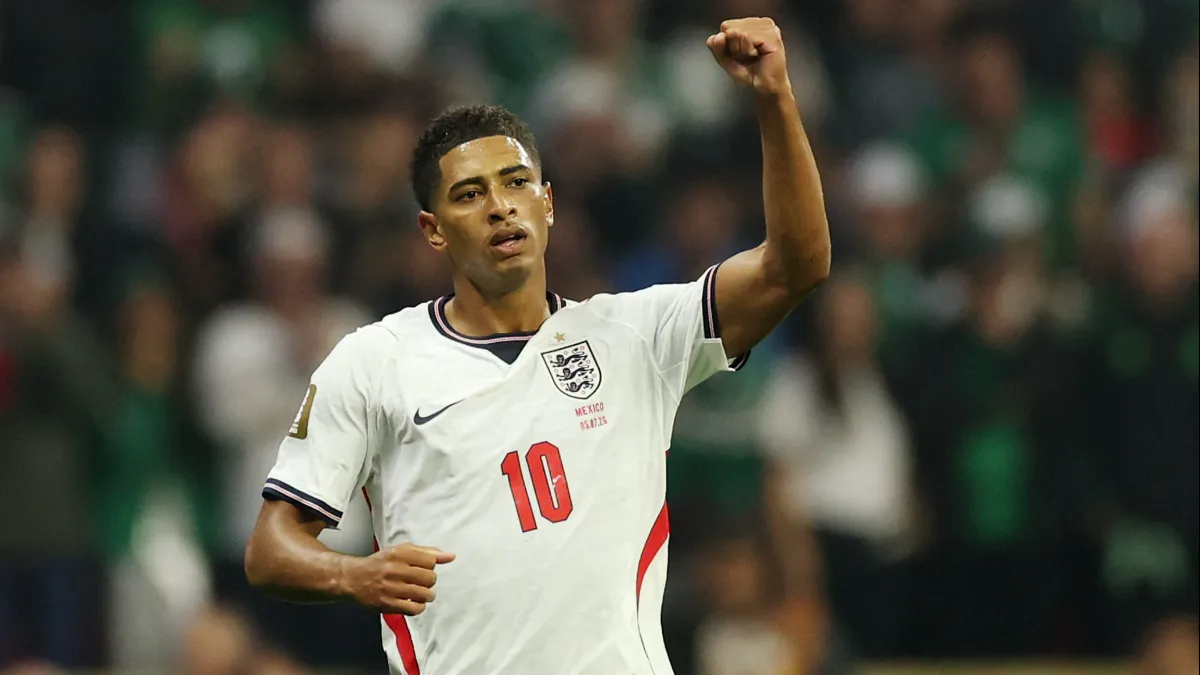
Ask any serious football fan about the most romantic role on the pitch and the answer often comes quickly: the number 10. Even as tactics evolve ahead of World Cup 2026, the position still carries a unique status in the sport. It is less about the shirt itself and more about the player trusted to create, unlock defences and shape the rhythm of a match.
In today’s game, where systems can change from one phase to the next, the number 10 remains one of football’s most recognisable ideas. From club football to the FIFA World Cup 2026 conversation, this role still defines how many supporters understand genius on the ball.
The meaning behind the number 10
A number 10 is traditionally an attacking midfielder, positioned just behind the main striker. This player operates in the spaces where matches are often won: between midfield and defence, under pressure, with little time and even less room.
The classic responsibilities of a number 10 include:
- Creating chances for forwards
- Finding pockets of space between opposition lines
- Linking midfield play with the attack
- Providing composure in decisive moments
- Adding goals from advanced central areas
Not every side uses a pure playmaker now, but the role survives in different forms. Some teams build around a free-roaming creator, while others ask wide players or deeper midfielders to share the same creative burden. That flexibility will be worth watching as the Football World Cup 2026 approaches and fans track the leading World Cup 2026 teams.
Read more: How major tournaments are changing global sports travel
Why the role is called number 10
The name comes from football’s old numbering system. When shirt numbers were first widely used, each starting position was tied to a specific numeral. The goalkeeper wore 1, defenders and midfielders followed in sequence, and the advanced playmaking position received 10.
Over time, the number became symbolic. A player did not need to literally wear 10 on the shirt to be described that way. The term evolved into football language, representing imagination, technique and authority in the final third.
That historical meaning still resonates across the World Cup 2026 schedule build-up, where player roles are analysed as closely as the World Cup 2026 draw, World Cup 2026 groups and the expanded 48 team World Cup format.
More than a shirt number
Modern football has blurred old positional labels, but the number 10 has not disappeared. Instead, it has adapted. Some sides use a pressing attacking midfielder, others prefer a deeper creator, and some rely on fluid front lines where a star drops into central spaces to dictate play.
That is why a footballer can be called a number 10 even when wearing 7, 8 or 22. The label describes function and influence rather than uniform details.
Explore: The biggest sporting events driving luxury hospitality demand
Why the number 10 still matters before World Cup 2026
As attention grows around World Cup 2026 host countries, World Cup 2026 venues and the likely contenders for the World Cup 2026 final, the number 10 remains central to big-match storytelling. Supporters often look to one creative figure to carry expectation, especially during knockout football.
Players in this mould can define tournaments because they offer what rigid systems cannot always manufacture:
- A decisive pass under pressure
- Control in chaotic moments
- Individual flair against compact defences
- The ability to turn possession into real danger
Whether fans are checking World Cup 2026 fixtures, planning World Cup 2026 travel or following how to watch World Cup 2026 in Ireland, the fascination with the game’s great creators will remain part of the appeal.
Read more: How streaming is reshaping live sports viewing for global audiences
The lasting appeal of football’s most artistic role
The number 10 endures because it connects football’s past with its present. It began as a practical shirt number and became a symbol of vision, craft and match-winning class. In the build-up to World Cup 2026, that identity still matters, even in an era of intense pressing and tactical structure.
For fans following the FIFA World Cup 2026, understanding the number 10 offers a simple way to read the game: look for the player trusted to imagine something others cannot. That role, as much as any World Cup 2026 schedule detail, remains one of football’s great attractions.
Explore: Why fan experience is becoming the centre of modern sport