


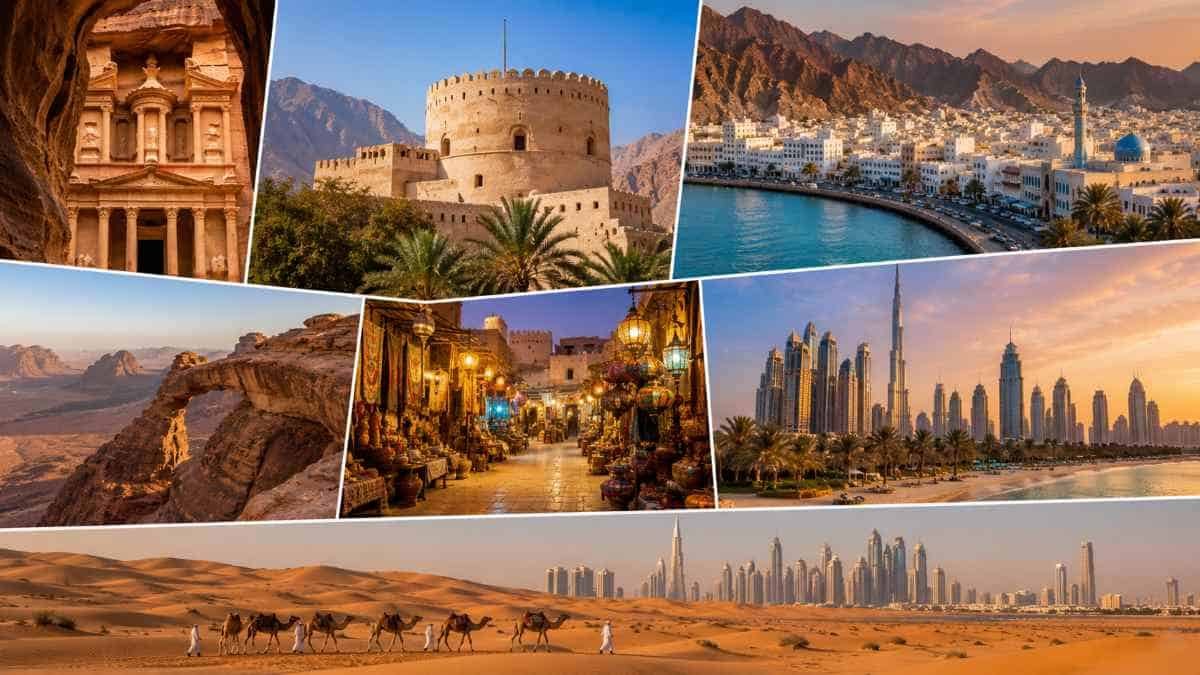
Experience-first travel is rapidly changing the way families plan holidays, and the shift is becoming especially visible in Jordan, Oman and the UAE. Instead of squeezing in as many landmarks as possible, more travellers are now choosing slower, more meaningful trips built around culture, comfort and shared family moments.
This change reflects a wider global rethink in tourism. Families, especially those travelling with grandparents and children, are placing less value on rushed sightseeing and more value on connection, flexibility and memorable local experiences. In destinations across the Middle East, that new mindset is helping reshape what a successful holiday looks like.
Experience-First Travel Is Replacing Checklist Tourism
For years, many holidays followed a familiar pattern: arrive, visit major attractions, take photos and move on. But experience-first travel is pushing back against that pace. Travellers are increasingly asking not how much they can see, but how deeply they can experience a place.
That means time spent in traditional markets, heritage districts, seaside promenades and family-run cafés can matter just as much as headline attractions. These slower moments often create the strongest memories because they allow visitors to engage with local life instead of simply observing it from a distance.
- Less rushing between cities
- More time in one destination
- Greater focus on culture and conversation
- Higher demand for authentic local experiences
In Jordan, Oman and the UAE, this style of travel works particularly well because each destination offers a blend of history, hospitality and modern convenience.
Read more: best Ireland travel news for families planning cultural escapes | Ireland tourism updates and world holiday trends
Why Multi-Generational Trips Are Fueling the Trend
One of the biggest drivers behind experience-first travel is the rise of multi-generational holidays. When grandparents, parents and children travel together, the needs of the group naturally change. Fast-paced itineraries packed with constant movement are often less appealing than balanced trips that combine accessibility, comfort and meaningful activities.
Jordan, Oman and the UAE are well positioned for this demand because they offer:
- Rich historical and cultural attractions
- Quality accommodation options
- Walkable heritage areas and public spaces
- Reliable transport and visitor infrastructure
- Activities that can appeal across age groups
Rather than splitting up for separate interests, families can explore old quarters, visit local souqs, enjoy regional food and spend time together in settings that are both engaging and manageable.
Why slower pacing matters for families
A slower itinerary can reduce stress, avoid travel fatigue and leave room for spontaneous discovery. That is especially helpful for families travelling with younger children or older relatives, where comfort and flexibility are essential. In this sense, experience-first travel is not about doing less. It is about travelling better.
Historic Districts Are Becoming the Main Attraction
Another reason experience-first travel is growing is renewed interest in old neighbourhoods and heritage quarters. In many cases, visitors are prioritising places with strong character over flashy new attractions. Traditional districts in the Middle East offer exactly that.
Across Jordan, Oman and the UAE, travellers are seeking out historic areas where they can walk through living history, interact with craftspeople and support smaller local businesses. These places provide a sense of place that many modern tourism zones cannot easily replicate.
What makes heritage districts so appealing?
- They feel personal rather than overly commercial
- They offer genuine contact with local traditions
- They encourage slower exploration on foot
- They often combine food, shopping and storytelling in one place
That combination is central to experience-first travel, where value is measured in depth of experience rather than in the number of attractions visited in a day.
Explore more: luxury Ireland travel inspiration and slow cultural journeys | top Ireland travel stories and global family tourism trends
Small Moments Are Becoming the Real Holiday Highlights
Some of the most memorable parts of experience-first travel are surprisingly simple. A chat with a café owner, a quiet walk through a market, a waterfront evening or a shared meal with regional dishes can stay with travellers far longer than a rushed stop at a landmark.
These moments matter because they add emotion and context to a trip. Instead of collecting photos, families collect stories. In Jordan, Oman and the UAE, local hospitality plays a major role in making those interactions feel natural and rewarding.
Comfort still matters
Importantly, slower travel does not mean giving up convenience. Families still want good hotels, easy transport and dependable services. The difference is that these features now support the journey rather than define it. In successful destinations, modern infrastructure works alongside heritage and community experiences, making experience-first travel practical as well as inspiring.
How Tourism Boards and Destinations Are Responding
Tourism planners are paying attention to the rise of experience-first travel. Instead of promoting only famous landmarks, more destinations are highlighting neighbourhood walks, cultural workshops, food trails and community-based activities.
This approach has wider benefits too. Longer stays in fewer places can spread tourism spending more evenly and help local businesses beyond the main tourist zones. It also supports a more sustainable model of visitation, especially in heritage-rich destinations.
Key developments behind the trend include:
- Growing demand for authentic cultural travel since 2024
- Stronger growth in multi-generational tourism through 2025
- Experience-led destination marketing becoming more visible in 2026
FAQs About Experience-First Travel
What is experience-first travel?
Experience-first travel focuses on meaningful local engagement, cultural immersion and personal connection rather than trying to visit the maximum number of attractions.
Why are families choosing slower holidays?
Many families want less stress, more quality time and trips that suit different age groups. Slower travel also allows for deeper cultural discovery and more memorable shared moments.
Why are Jordan, Oman and the UAE benefiting?
These destinations combine strong heritage appeal with modern travel infrastructure, making them attractive for families seeking comfort, authenticity and multi-generational experiences.
Conclusion
Experience-first travel is no longer a niche preference. It is becoming one of the defining tourism trends shaping family holidays in 2026. In Jordan, Oman and the UAE, travellers are choosing longer stays, deeper cultural connections and slower itineraries that bring generations together. The clear takeaway is simple: the most rewarding trips are no longer about seeing more, but about experiencing each destination in a richer, more personal way.