

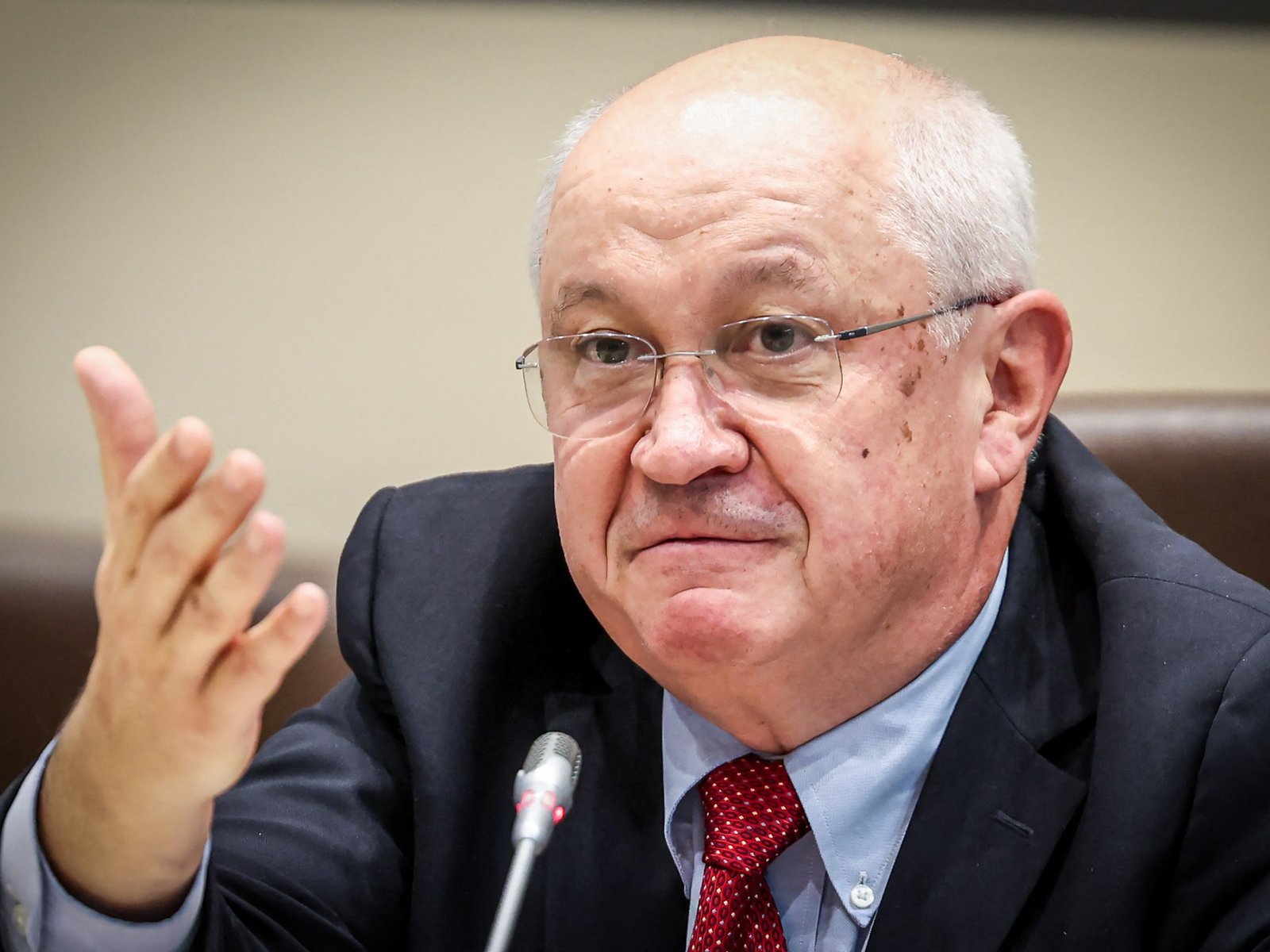
Moldova has been thrown into fresh political uncertainty after Prime Minister Alexandru Munteanu resigned, a move that automatically brought down the government and quickly became a major Europe news story. The surprise decision adds pressure on President Maia Sandu’s pro-European administration at a sensitive moment for the country’s reform agenda and its push towards European Union membership.
Munteanu, who had served as prime minister since November, announced on social media that he was stepping down because he could no longer fulfil his mandate in line with his principles and convictions. While he did not provide detailed reasons, the resignation immediately raised questions about political tensions inside Moldova’s leadership and the future direction of the government.
Europe News: Why Moldova’s Prime Minister Resigned
According to Munteanu, the decision was based on personal principle rather than a single publicly stated dispute. He said he would continue serving the country in whatever capacity possible, but stopped short of explaining what specifically pushed him to leave office.
For observers following Europe news, the lack of detail is notable. Moldova is in a politically delicate position, balancing internal reform, corruption concerns and geopolitical pressure as it moves closer to the EU. A prime minister’s resignation under these circumstances is likely to have ripple effects far beyond Chisinau.
President Maia Sandu said Munteanu would remain in a caretaker role until a replacement is appointed. She also confirmed that consultations with parliamentary groups will begin next week, after which a new candidate for prime minister is expected to be nominated quickly.
How the Resignation Affects Moldova’s Government
Under Moldova’s parliamentary rules, the prime minister’s departure triggers the resignation of the government. That means the administration now enters a transitional period while political leaders work to form a new executive.
This matters because Moldova is in the middle of a demanding reform process tied to governance, public administration and EU accession. Any delay in appointing a new prime minister could slow progress on key files.
What happens next
- President Sandu consults parliamentary factions
- A new prime ministerial candidate is nominated
- The candidate seeks parliamentary backing
- The outgoing cabinet remains in a temporary caretaker role until a new government is approved
The development is significant in Europe news because Moldova has become one of the region’s most closely watched states, especially since it borders Ukraine and EU member Romania.
Read more: latest ireland news and breaking Irish political updates | top Irish news analysis and daily current affairs coverage
Pressure on Maia Sandu and the PAS Government
Munteanu was appointed after the September 2025 parliamentary election, when Sandu’s pro-European Party of Action and Solidarity, known as PAS, defeated a Russia-leaning rival and secured another mandate. His resignation is therefore politically awkward for Sandu, who has made reform, anti-corruption efforts and EU integration central to her leadership.
Sandu rejected suggestions that Munteanu had been blocked from acting decisively inside government. She said speculation that he wanted to tackle abuses but was prevented from doing so was false, insisting he had freedom to run the government as he saw fit.
At the same time, Sandu appeared to signal disappointment with his level of engagement, saying she had expected stronger involvement in difficult decisions and more public communication about the reforms the country needs.
That tension is one reason this story is gaining traction in Europe news, as it hints at broader concerns over leadership, messaging and accountability within Moldova’s ruling camp.
Corruption Questions and the MoldATSA Scandal
The resignation comes as the government faces growing scrutiny over allegations linked to MoldATSA, a state-owned aviation company. Reports have pointed to concerns over appointments, governance standards and the vetting of senior officials.
Among the most controversial claims:
- allegations that the company director falsified parts of his CV
- questions over the appointment of the president’s cousin to a public relations role
- criticism over salary increases that reportedly lifted her payout far above Moldova’s median wage
In response to the fallout, a special investigative committee was created to examine how state-owned companies are managed. The panel is expected to review hiring procedures, board appointments and cases where individuals hold multiple public-sector roles at the same time.
For audiences interested in irish news, ireland news and broader European accountability stories, Moldova’s situation reflects a familiar issue: public trust can quickly erode when political reform promises collide with allegations of insider privilege.
Explore more: best Ireland news features on European politics and leadership shifts | in-depth Irish news reports on governance, corruption and EU affairs
Why Moldova Matters in Wider Europe News
Moldova’s political direction matters because the country sits at a strategic crossroads between Ukraine and Romania. It has long been divided between factions favouring deeper ties with Europe and those advocating stronger relations with Moscow.
As an EU candidate country, Moldova’s stability is closely watched by Brussels and other European capitals. Any disruption in government can affect reform timelines, investor confidence and the broader regional picture.
Munteanu, 65, had spent about two decades working abroad, including at the World Bank, before taking office. His international background was seen as an asset for a government trying to present itself as modern, reformist and credible to Western partners.
FAQs
Why did Moldova’s prime minister resign?
Alexandru Munteanu said he stepped down because he could no longer carry out his mandate in line with his principles and convictions, though he did not give detailed reasons.
Does the prime minister’s resignation mean the whole government falls?
Yes. Under Moldova’s parliamentary system, the resignation of the prime minister triggers the resignation of the government.
Who will choose the next prime minister?
President Maia Sandu will consult parliamentary groups and nominate a new candidate for prime minister.
Is the MoldATSA scandal linked to the resignation?
No direct link has been officially confirmed, but the resignation comes amid rising pressure on the government over the state company controversy.
Conclusion
This fast-moving Europe news story highlights just how fragile reform politics can be in Moldova. With the government now in transition, the key question is whether President Sandu can quickly install a new prime minister, restore confidence and keep the country’s EU ambitions on track.