


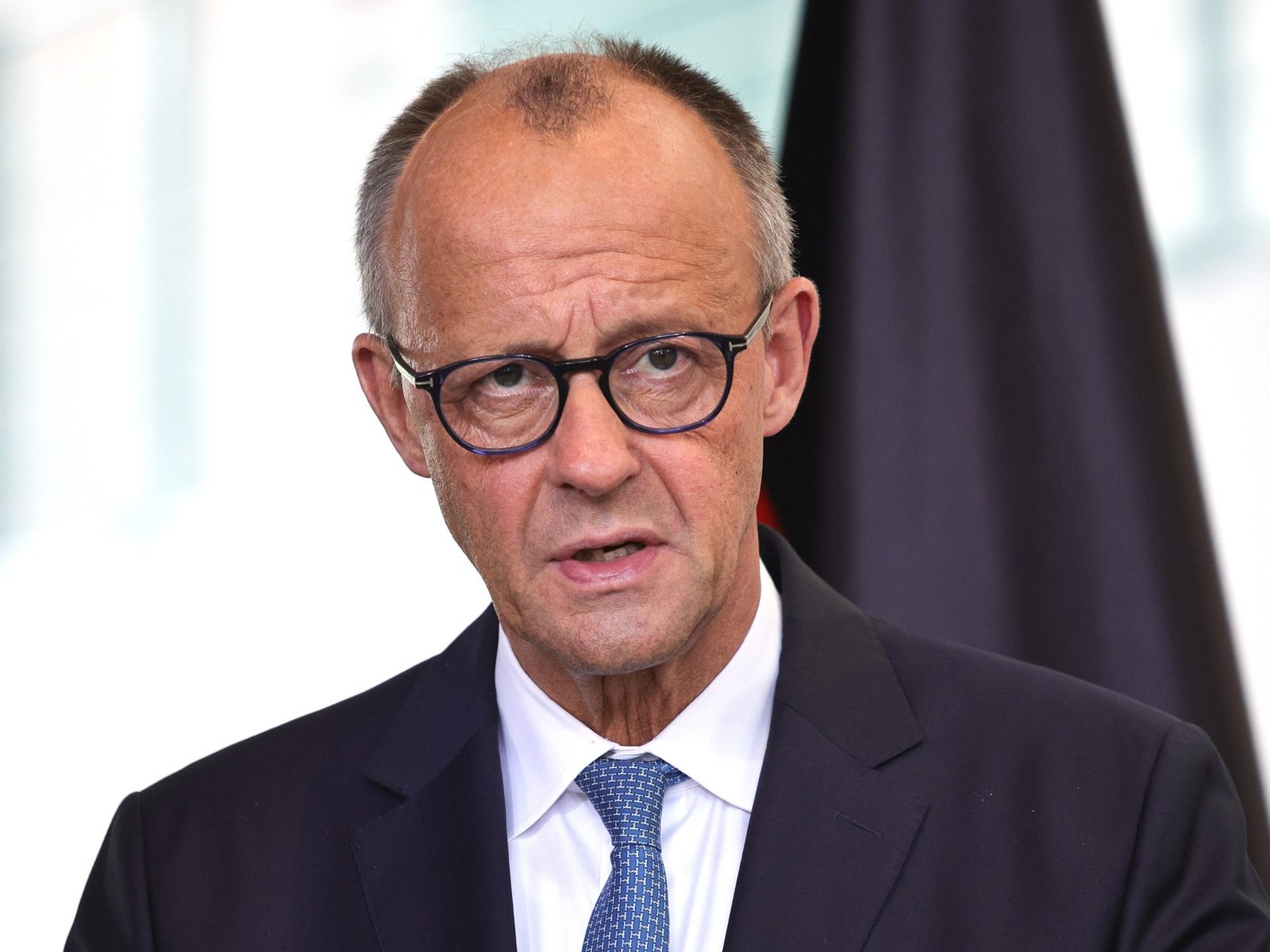
Europe news is once again dominated by tensions inside NATO after German Chancellor Friedrich Merz pushed back against fresh criticism from US President Donald Trump over defence spending. Ahead of a key NATO meeting in Ankara, Merz insisted Germany is rapidly increasing military investment and said Berlin has no reason to be defensive about its contribution to the alliance.
In the latest round of transatlantic sparring, Trump argued that the burden of NATO spending remains unfairly tilted toward the United States. In social media posts earlier this week, he described the arrangement as “ridiculous” and “one-sided”, while singling out Germany’s record between 2014 and 2025 as weaker than that of the US and several allies.
Europe news: Merz says Germany is accelerating NATO defence spending
Responding publicly, Merz said Germany is preparing one of the biggest military spending expansions in its modern history. According to his remarks, Berlin plans to double its defence budget within four years, a move he framed as a major national effort to strengthen security and meet alliance expectations.
The German leader said the country is not shirking responsibility and underlined Germany’s role as the European Union’s largest member state. His comments were aimed at showing that Berlin intends to lead from the front as NATO members face growing pressure to invest more in weapons, troops and readiness.
Merz also said Germany expects to hit the alliance’s 3.5 percent defence benchmark by 2029, well before the agreed 2035 deadline. That target goes beyond NATO’s previous 2 percent goal and reflects a broader push, strongly backed by Washington, for members to increase core military spending.
- Germany says it will double its defence budget within four years
- Berlin expects to reach the 3.5% NATO benchmark by 2029
- The alliance’s wider target deadline is 2035
- Trump continues to argue US allies are not contributing enough
Why Trump and European allies are clashing again
This Europe news story fits into a longer pattern of friction between Trump and NATO partners. During both his earlier presidency and his current term, Trump has repeatedly accused European states of relying too heavily on American military power while failing to shoulder a fair share of defence costs.
His latest criticism comes at a delicate moment for the alliance. NATO leaders are preparing for a high-stakes meeting in Ankara while also managing wider geopolitical strains, from war-related instability in the Middle East to renewed debate about Europe’s strategic dependence on the United States.
Relations have also been complicated by Trump’s past comments on Greenland, an autonomous territory of Denmark, which is itself a NATO member. In addition, disagreements over the US-Israeli war in Iran have widened the gap between Washington and several European capitals, especially after the conflict disrupted global trade routes and raised concerns over the Strait of Hormuz.
Trump has also criticised European allies for not taking a bigger military role in that conflict. Those disputes have made defence spending more than just a budget issue; it is now a test of political trust inside the alliance.
Read more: latest Ireland breaking news and in-depth Irish political coverage | top Ireland current affairs analysis and daily Irish news updates
What Germany’s defence pledge means for NATO
For NATO, Germany’s promise matters because Berlin has long faced scrutiny over the pace of its military modernisation. If the government follows through, Germany could become one of the clearest examples of Europe responding to pressure for stronger self-defence.
That would carry significance far beyond Berlin. It could reshape the internal balance of the alliance, strengthen Europe’s military credibility, and reduce criticism that major continental powers are underinvesting in security.
Merz appears keen to send a dual message: Germany wants to remain closely tied to NATO, but it also wants recognition for moving faster than many expected. By saying the country will meet the 3.5 percent benchmark by 2029, he is trying to show Germany is ahead of schedule rather than lagging behind.
Key implications to watch
- Pressure on other NATO members: Germany moving early may increase expectations on other European states.
- Stronger European defence posture: Higher spending could support more independent security capacity in Europe.
- US-Europe bargaining: Trump may still use the issue politically, even if allies raise spending.
- NATO summit tensions: The Ankara meeting could expose whether increased budgets are enough to calm divisions.
Germany, NATO and the wider European security picture
Beyond the headlines, this Europe news development reflects a deeper shift in European security policy. Governments across the continent are being forced to think more urgently about deterrence, military preparedness and the reliability of US leadership. Germany’s new timeline suggests Berlin sees the challenge as immediate, not distant.
There is also a domestic dimension. Defence spending has become a central political issue in Germany as leaders weigh national security, fiscal priorities and public opinion. Merz’s firm response to Trump suggests he wants to project strength at home and abroad.
Explore more: best European lifestyle and Ireland trend stories for Irish readers online | trusted Ireland news headlines with detailed reporting on Europe and world affairs
FAQs
Why did Trump criticise Germany and NATO?
Trump said the defence burden inside NATO remains unfair and argued that some allies, including Germany, have spent too little compared with the United States.
What has Merz promised on defence spending?
Merz said Germany will double its defence budget within four years and reach NATO’s 3.5 percent spending benchmark by 2029.
Why is this important for Europe?
It signals that one of Europe’s biggest economies is moving faster on military spending, which could influence the wider direction of NATO and European defence policy.
When is the next major NATO meeting?
NATO leaders are due to meet next week in Ankara, where defence commitments and alliance tensions are likely to be central topics.
Conclusion
This Europe news story highlights a familiar but increasingly urgent fault line inside NATO: money, responsibility and trust. Merz is betting that Germany’s accelerated defence spending will answer critics and strengthen Europe’s standing, but Trump’s latest remarks show that even bigger budgets may not end the political argument. For now, Germany’s pledge puts Berlin at the centre of a defining debate over NATO’s future, European security and the balance of power across the alliance.