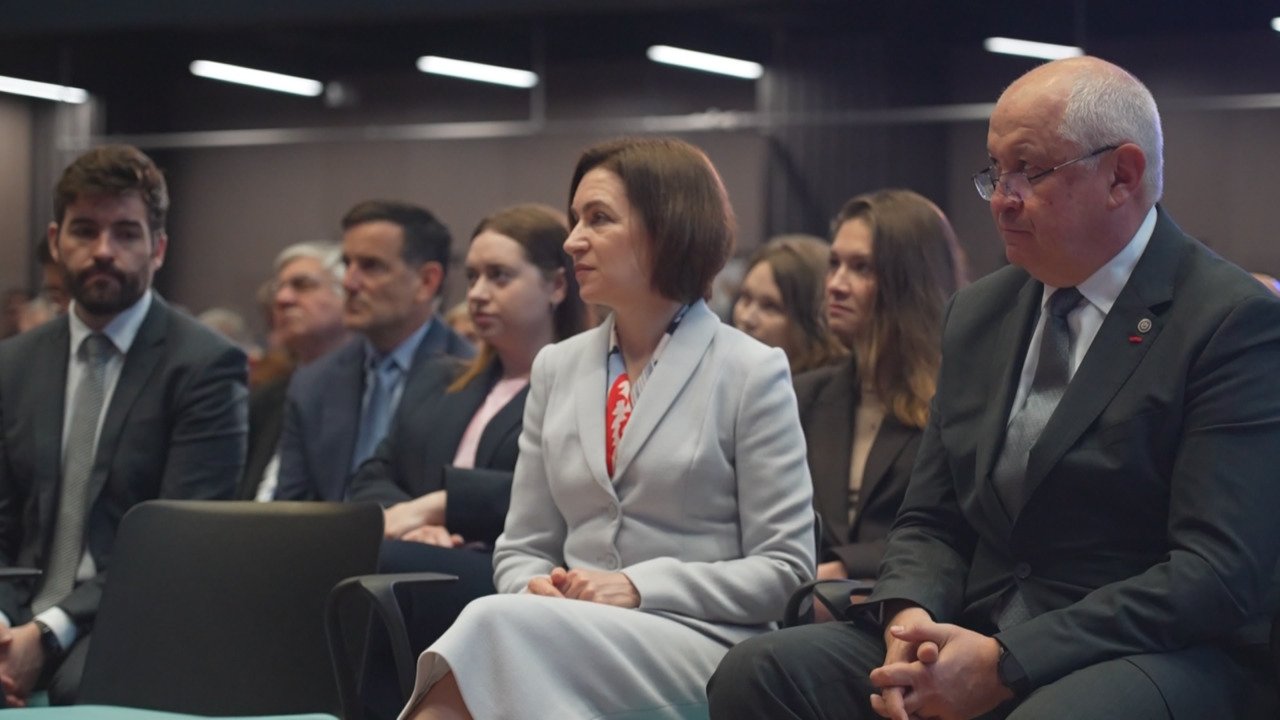
Europe news is increasingly shaped not only by elections and diplomacy, but by the battle over truth itself. The debate around Moldovan President Maia Sandu, the European Union and alleged Russian disinformation highlights how information warfare is now central to the region’s political future.
Although the source page is no longer available, the broader story remains highly relevant across irish news, ireland news and continental coverage: Moldova has become a frontline state in the contest between pro-European reform and pro-Kremlin influence. At the centre of that contest is Maia Sandu, whose leadership has been closely associated with EU integration, anti-corruption reforms and resistance to foreign interference.
Europe News: Why Maia Sandu Matters in Moldova’s EU Path
Maia Sandu has emerged as one of Eastern Europe’s most closely watched leaders. Her pro-European stance has made her a key figure in Europe news, particularly as Moldova seeks stronger political, economic and institutional ties with Brussels.
For supporters, Sandu represents:
- Democratic reform and cleaner governance
- Closer alignment with European institutions
- Reduced dependency on Russian political influence
- Greater resilience against corruption and propaganda
For critics and hostile information networks, however, her EU-friendly agenda has made her a target. Disinformation campaigns often attempt to frame pro-European leaders as puppets of Brussels or as threats to national sovereignty. That narrative has become a recurring theme in regional media monitoring.
How disinformation shapes public perception
Disinformation rarely works by inventing a completely unbelievable claim. More often, it mixes fragments of truth with misleading context, emotional language or manipulated imagery. In Moldova’s case, narratives can focus on the EU, energy dependence, security fears, or identity politics to divide public opinion.
This matters because Moldova sits in a geopolitically sensitive position between the EU sphere and Russian influence. Any false or distorted claim about Sandu or the European Union can have a wider effect on voter trust, foreign policy debate and social stability.
Read more: latest Ireland breaking political analysis and Europe news updates for Irish readers
The Shadow of Russian Disinformation in European Politics
The phrase “shadow of Russian disinformation” reflects a broader concern already familiar in Europe news: information campaigns are being used to weaken confidence in democratic institutions. Moldova is not alone. Similar concerns have surfaced in debates across Ukraine, Georgia, the Balkans and parts of the European Union.
Typical objectives of these campaigns include:
- Undermining trust in elected leaders
- Creating confusion around EU policies
- Amplifying polarisation during elections
- Weakening public support for Western alliances
In the case of Maia Sandu, false or misleading content can be especially potent because Moldova is navigating economic pressure, security anxiety and strategic uncertainty. These conditions make citizens more vulnerable to emotionally charged narratives.
Why the EU connection is politically sensitive
The European Union is often presented by supporters as a pathway to rule of law, investment and security cooperation. But hostile messaging may portray the same relationship as foreign control or elite betrayal. That framing is designed to exploit existing frustrations over inflation, migration, energy costs and social change.
For audiences following ireland news and wider European affairs, Moldova offers a clear example of how local politics can be shaped by international influence operations. It also shows why media literacy and fact-checking remain essential tools in the digital age.
Explore more: trusted Irish media trends, long-form Ireland news coverage and European affairs insight
What This Means for Ireland and the Wider European Audience
At first glance, Moldova may seem distant from day-to-day irish news. But the themes in this story are directly relevant to Ireland and the rest of Europe. Disinformation crosses borders quickly, particularly through social media platforms, messaging apps and politically charged online networks.
Irish audiences should pay attention for several reasons:
- Foreign influence tactics seen in Eastern Europe can spread elsewhere
- EU member states and partner countries face shared security challenges
- False narratives can distort public debate on migration, energy and democracy
- Independent journalism plays a critical role in resisting manipulation
The Moldova case also reinforces a growing reality in Europe news: modern political conflict is no longer fought only through military or economic means. It is increasingly fought through narratives, algorithms and attention.
FAQ: Maia Sandu, the EU and disinformation
Who is Maia Sandu?
Maia Sandu is the President of Moldova and is widely known for her pro-European and reform-focused agenda.
Why is she linked to the European Union?
Her government has strongly supported closer ties with the EU, including reforms aimed at governance, transparency and long-term integration.
What is meant by Russian disinformation?
It refers to false, misleading or manipulated narratives attributed to networks aligned with Russian strategic interests, often intended to influence politics or public opinion.
Why is this important in Europe news?
Because disinformation campaigns can affect elections, weaken trust in institutions and destabilise democratic societies across Europe.
How does this relate to Ireland?
Ireland, like other European countries, is part of a digital information environment where foreign narratives and online misinformation can quickly influence public debate.
Read more: premium European current affairs, Ireland lifestyle intelligence and in-depth continent reporting
Conclusion
This Europe news story is ultimately about more than one leader or one country. Maia Sandu’s political journey and Moldova’s EU ambitions illustrate how democracy in Europe is increasingly tested by organised disinformation, strategic messaging and geopolitical pressure. For readers following ireland news and irish news, the key takeaway is clear: understanding how false narratives spread is now essential to understanding modern European politics.