


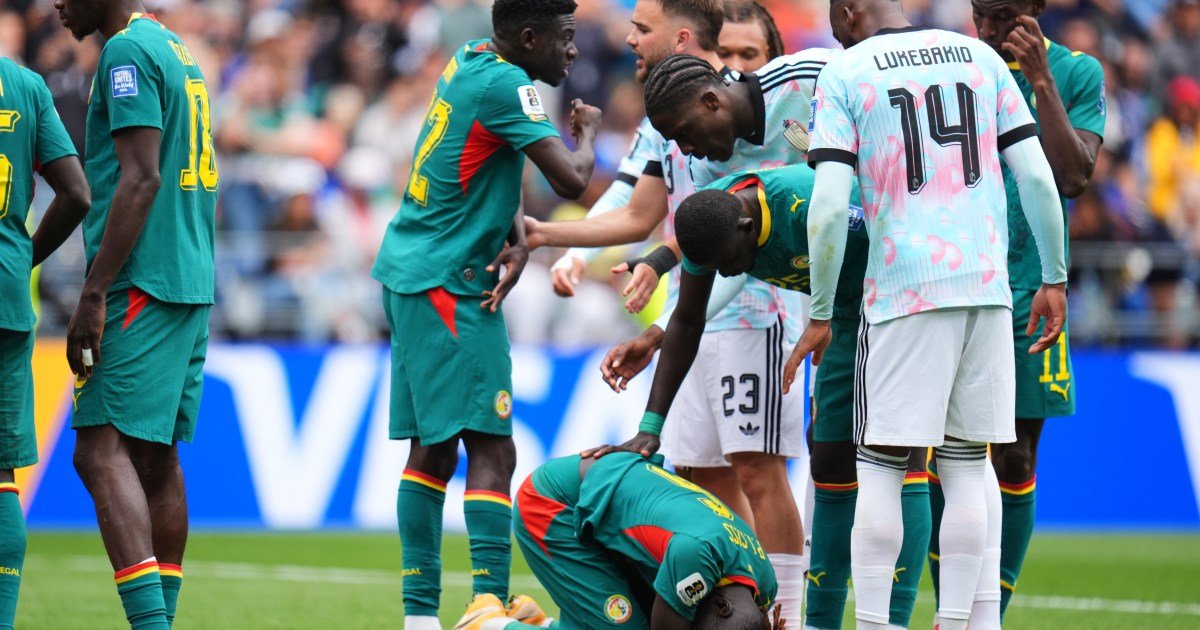
A dramatic World Cup finish in Seattle has quickly become one of the biggest talking points in Europe news, after Belgium progressed past Senegal thanks to a deeply disputed late penalty. What looked set to be a famous Senegal victory turned into heartbreak, as the African side surrendered a 2-0 lead and lost 3-2 in one of the most contentious matches of the 2026 tournament.
The round-of-32 clash ended in uproar after referee Said Martinez awarded Belgium a penalty at the end of extra time following a VAR review. With the score at 2-2 and a shootout looming, the decision changed everything. Belgian captain Youri Tielemans converted from the spot to complete the comeback and send Belgium through, while Senegal’s players were left stunned.
Europe News: Why the Belgium-Senegal Penalty Sparked Such Debate
The central incident came after a challenge involving Senegal’s Lamine Camara and Belgium’s Tielemans. After being advised to review the play, the referee pointed to the spot. The decision immediately triggered fierce reaction across social media, football analysis platforms and international sports commentary.
Much of the criticism focused on whether VAR should have intervened at all. A refereeing analysis account known for reviewing major decisions argued that Tielemans appeared to stretch into the challenge, creating the contact rather than suffering a clear foul. That interpretation led many fans and pundits to question whether the threshold for overturning the on-field decision had been met.
In major irish news and international football conversations online, the debate has centred on a familiar question: when does technology help the game, and when does it become too influential in defining elite matches?
- Senegal were leading 2-0 before Belgium rallied back.
- The decisive penalty came at the end of extra time.
- VAR review played a crucial role in the referee’s final call.
- Tielemans scored the winning goal from the spot.
Senegal’s Collapse After Dominating Most of the Match
For long stretches, Senegal looked the better side. They played with intensity, controlled large phases of the contest and appeared on course for a deserved place in the last 16. Their early attacking work and defensive structure had Belgium under serious pressure.
But knockout football can turn in moments, and this one turned brutally. Belgium found a route back into the game, levelled the score, and then benefited from the controversial late call. For Senegal, the pain was compounded by the fact that they had spent roughly 85 minutes shaping one of their best World Cup wins before seeing it unravel in the space of minutes.
Players spoke afterward about devastation and missed opportunity. Senegal defender Krepin Diatta reflected on how close the team came to creating a memorable chapter in the country’s football history, only to fall short at the decisive stage. Midfielder Habib Diarra also admitted the team would have to look inward, saying a full match demands concentration from start to finish.
Read more:
Global Reaction Across Fans, Pundits and Social Media
The fallout was immediate. Fans described the decision as a robbery, while several commentators accused officials of getting the biggest moment of the match wrong. Others linked the controversy to past grievances involving Senegal in major African competitions, arguing that the team has now twice found itself at the centre of refereeing storms in high-stakes matches.
That emotional response has helped push the story far beyond sport alone. In Europe news coverage and wider global reporting, the incident is being treated as both a football controversy and a case study in how refereeing decisions are scrutinised in real time.
From a pure tournament perspective, Belgium will simply point to resilience. Trailing by two goals in a knockout match and still finding a way through takes nerve and belief. Yet that achievement will likely remain overshadowed by the argument over the final penalty.
Why This Match Matters Beyond the Result
This game will be remembered for more than the scoreline. It raises bigger issues around consistency in officiating, the interpretation of contact in the penalty area, and the standard required for VAR intervention in World Cup matches.
For readers following irish news, Europe news and international football, several wider themes stand out:
- VAR remains divisive even at the highest level of the sport.
- Game management matters as much as dominance over long periods.
- Refereeing transparency is increasingly demanded by fans worldwide.
- Narratives shift instantly in the social media era, especially during major tournaments.
Explore more:
What Happens Next After This Europe News Flashpoint?
Belgium move on, but the conversation is unlikely to fade soon. FIFA officiating standards will again come under the microscope, especially if similar incidents appear later in the competition. Senegal, meanwhile, leave the tournament with deep frustration, knowing they were within touching distance of a place in the next round.
For supporters, analysts and neutrals alike, this is the kind of match that lingers. It had quality, emotion, collapse, controversy and a decisive intervention from VAR at the worst possible moment for one side. As a major moment in Europe news, it also shows how World Cup drama can dominate headlines far beyond the host nation or the teams involved.
In the end, the clearest takeaway is simple: Senegal’s World Cup exit will be remembered not just for Belgium’s comeback, but for the controversial penalty that changed everything. And in the days ahead, this Europe news story will remain central to the global debate over fairness, officiating and the true impact of VAR.
FAQs
Why was Senegal’s World Cup exit controversial?
Senegal were knocked out after Belgium scored a late penalty awarded following a VAR review, with many fans and analysts disputing whether the contact justified a spot kick.
Who scored the winning goal for Belgium?
Youri Tielemans scored the decisive penalty that completed Belgium’s 3-2 comeback win over Senegal.
What was the score before Belgium’s comeback?
Senegal had built a 2-0 lead and appeared in control before Belgium fought back to level and then win in extra time.
Why are people criticising VAR in this match?
Critics argue the incident did not meet the standard of a clear and obvious error, meaning VAR may have intervened too aggressively in a decisive moment.