


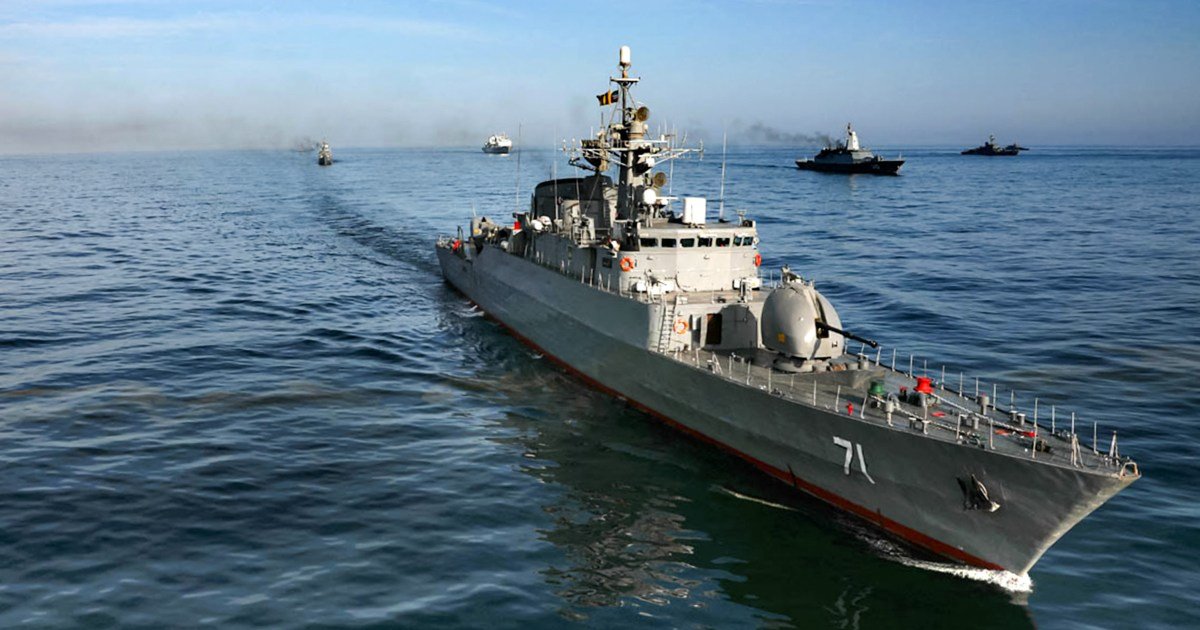
Europe news watchers are tracking a major military development in Asia after China and Russia confirmed they will stage their annual joint naval exercises off China’s eastern coast in the coming days. The manoeuvres, centred near the key port city of Qingdao, will be followed by joint maritime patrols in parts of the Pacific, underlining the continued strategic alignment between Beijing and Moscow at a time of heightened global tension.
According to China’s Ministry of Defence, the exercises will take place in waters and airspace near Qingdao and form part of the two countries’ regular military cooperation programme. Russian state media also reported that vessels from Russia’s Pacific Fleet had already arrived for the drills, which are expected to continue through July 13.
Europe news: What China and Russia announced
The latest round of Joint Sea exercises reflects a military partnership that has been on display for more than a decade. First launched in 2012, the annual naval drills have become a recurring symbol of closer defence coordination between the two powers.
This year, Chinese and Russian forces are expected to carry out a series of coordinated operations, including:
- Reconnaissance missions
- Air defence and missile defence drills
- Surface-strike exercises
- Joint maritime patrols after the main exercise phase
Chinese military officials said the participating forces from the Northern Theatre Command will include destroyers, a frigate, a submarine, a supply ship and a rescue vessel. Russian reports said Moscow has deployed a cruiser, a corvette, a diesel-electric submarine and a rescue ship from its Pacific Fleet.
Why the Qingdao drills matter
The location is significant. Qingdao is one of China’s most important naval hubs and a major port on the country’s eastern seaboard. By conducting both sea and air exercises in this area, China and Russia are demonstrating operational coordination in a strategically sensitive zone with access to wider Pacific routes.
For analysts following irish news and international security trends, the timing also stands out. The drills come just weeks after Russian President Vladimir Putin visited China, where both sides publicly praised the strength of bilateral ties. Putin said relations had reached an “unprecedentedly high level”, while Chinese President Xi Jinping described the partnership as “unyielding”.
That rhetoric suggests these exercises are about more than routine training. They also serve as a political message about the durability of China-Russia cooperation amid shifting alliances, war in Ukraine and broader competition with Western powers.
Read more:
How this fits into wider global tensions
These exercises are unfolding against a backdrop of continued war in Ukraine and increasingly strained relations between Russia and Western governments. China has not condemned Russia’s full-scale invasion of Ukraine, although it continues to present itself as a neutral party and has repeatedly called for peace negotiations.
That position remains closely watched across Europe news coverage, where policymakers are assessing how Beijing balances its economic interests, diplomatic messaging and strategic ties with Moscow.
Last year’s Joint Sea exercise took place near Vladivostok in Russia and was also followed by coordinated patrols in the Pacific. The repeat format indicates that both countries are intent on sustaining a visible, long-term maritime partnership.
Key geopolitical signals from the drills
- Military coordination: The scale of participating vessels shows both navies are rehearsing complex operations together.
- Strategic messaging: The timing reinforces the political warmth displayed during recent high-level meetings between Putin and Xi.
- Regional reach: Follow-up patrols in the Pacific suggest the exercise is not limited to symbolic harbour activity.
- Global attention: Governments monitoring ireland news and European defence policy will likely see the drills as another sign of an evolving security landscape.
What happened in the source report
The official announcements indicate that the drills will involve both naval and aerial elements, with a focus on reconnaissance, missile defence and strike capability. China said the exercise is part of its regular annual cooperation with Russia, while Russian media detailed the arrival of multiple fleet assets in Qingdao before the start date.
Neither side specified the exact Pacific areas where the later patrols will be conducted, but the pattern follows previous years, when post-exercise operations extended beyond the initial training zone.
Explore more:
FAQs for readers following Europe and Ireland news
What are the China-Russia Joint Sea exercises?
They are annual naval drills held by China and Russia since 2012, designed to improve coordination at sea and demonstrate defence cooperation.
Where are the 2026 drills taking place?
The main exercise will be held off Qingdao on China’s eastern coast, with later joint patrols planned in unspecified Pacific waters.
Why is this important for Europe news readers?
The drills highlight the ongoing strategic relationship between Russia and China, which has implications for European security planning, diplomacy and global power balance.
Has China changed its position on the war in Ukraine?
China has not condemned Russia’s invasion of Ukraine. It continues to say it is neutral while calling for peace talks.
Conclusion
For anyone following Europe news, the latest China-Russia naval drills are a clear sign that military cooperation between the two countries remains active and politically significant. With exercises near Qingdao and planned Pacific patrols to follow, Beijing and Moscow are again showing that their partnership extends beyond diplomacy into visible maritime coordination. As irish news audiences look outward at global security risks, this is one development that will remain firmly on the international agenda.