


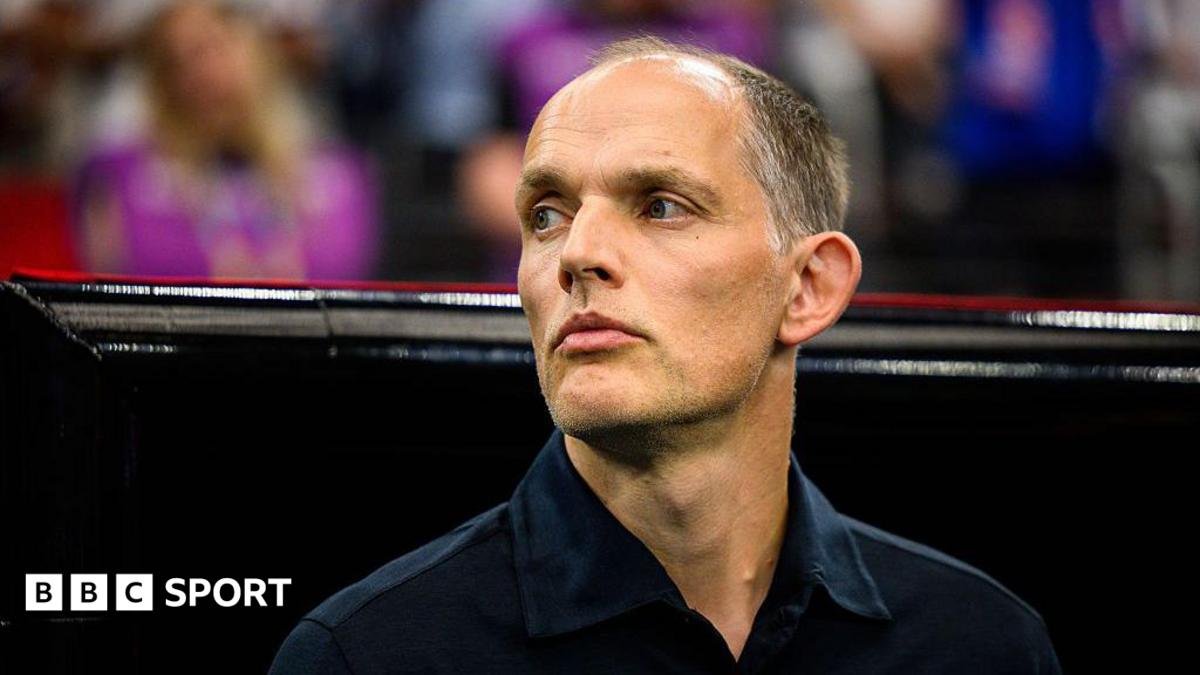
England’s first big statement on the road to World Cup 2026 was not just about the scoreline. The 4-2 win over Croatia offered something more revealing: a clear tactical shift under Thomas Tuchel, one that could shape England’s chances at the FIFA World Cup in the United States, Mexico and Canada.
After years of Gareth Southgate’s controlled, tournament-savvy football, Tuchel has introduced a more aggressive, system-led approach. It is bolder, quicker through midfield and designed to stretch opponents before they can settle into shape. For supporters already looking ahead to the World Cup 2026, the contrast is striking.
How Tuchel Has Changed England Before World Cup 2026
The biggest difference is selection philosophy. Southgate often built around his most gifted players, even if it meant adjusting roles to fit them all in. Tuchel appears to be doing the opposite: choosing players to serve a defined structure.
That means reputation counts for less than tactical suitability. England’s movement against Croatia reflected rehearsed patterns rather than improvised problem-solving, with players occupying precise zones and triggering coordinated runs.
- Faster progression through the middle third
- More direct passes after drawing pressure
- Greater emphasis on automated attacking rotations
- A willingness to leave out star names for balance
Southgate’s Pragmatism vs Tuchel’s Risk
Southgate’s England were built to survive tournament football. His teams stayed compact, limited chaos and trusted individual quality to decide key moments. That formula delivered deep runs and made England consistent contenders.
Tuchel’s version is more volatile but potentially more dangerous. By inviting pressure and then playing quickly into advanced runners, England create higher-value attacking moments with fewer defenders set behind the ball. It is a high-risk, high-reward model that may better suit the demands of the World Cup 2026.
Why the New Style Could Work
Modern international football is increasingly shaped by pressing schemes, mid-block traps and data-driven defensive organisation. Tuchel’s answer is not patience for its own sake, but acceleration through key spaces.
This could be crucial once the World Cup 2026 knockout rounds begin, when matches are often decided by which team can break structure fastest.
What It Means for England’s Tournament Hopes
There are still concerns. England looked less secure defensively, and better opponents may punish the spaces left behind. But Tuchel seems willing to accept that trade-off if it makes his side more proactive.
With the World Cup 2026 drawing closer, England appear to be moving from reactive control to assertive design. If Tuchel can keep the balance between attacking speed and defensive discipline, this tactical overhaul could give England their most modern and adaptable identity in years.
World Cup 2026 will test whether that gamble is good enough to go all the way. For now, England look less predictable, more intense and far more willing to impose themselves on elite opposition.
—- Image Courtesy: BBC