


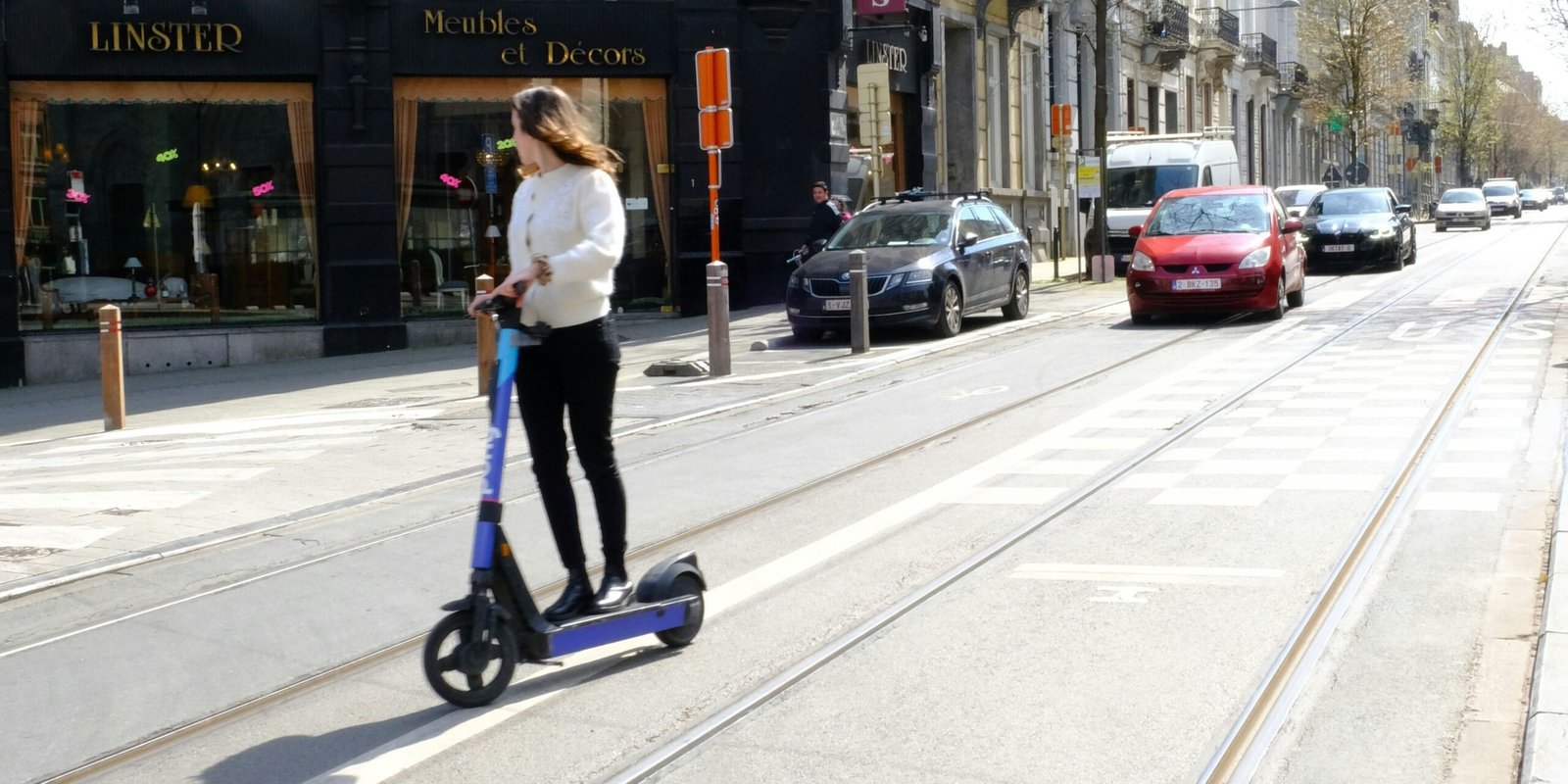
Positive news ireland readers looking for a smart, uplifting roundup have plenty to take from this latest global update. From Brussels reshaping urban transport to scientists mapping underground fungi and testing the River Thames for pollution, this positive news digest highlights practical steps toward safer cities and a healthier planet.
In a media cycle often dominated by crisis, these developments stand out because they show action, not just debate. For anyone following positive stories world coverage, this is the kind of daily positive news that proves policy, research and environmental monitoring can still push progress forward.
Quick Answer: What is this update about?
This positive news ireland roundup covers three important developments: Brussels plans to ban rental e-scooters from January 2027, researchers have created the first global map of underground fungi, and the River Thames is being tested for microplastics. Together, they reflect how cities and scientists are tackling transport safety, biodiversity and pollution through evidence-based action.
Key Facts
- Brussels will ban rental e-scooters starting in January 2027.
- Scientists have produced the first global map of underground fungi.
- The River Thames is undergoing microplastics testing.
- These stories span transport policy, ecology and environmental science.
What happened?
Brussels has announced plans to remove rental e-scooters, a major decision in the ongoing debate around shared micromobility. At the same time, scientists achieved a breakthrough by charting underground fungal networks globally, offering new insight into ecosystems that support plant life and soil health. In the UK, researchers are also testing the Thames to better understand microplastic contamination in one of the world’s most famous rivers.
Why it matters
This is more than a collection of feel-good headlines. It is positive news with real-world consequences:
- Safer streets and clearer transport rules in urban areas
- Better understanding of biodiversity beneath our feet
- Stronger data to guide anti-pollution policy
That makes this story especially relevant for readers who value a meaningful daily digest rather than empty optimism.
Timeline / details
- Brussels: rental e-scooter ban begins January 2027
- Global research: first underground fungi map now created
- River Thames: microplastics testing currently underway
What people need to know
For commuters, the Brussels move may influence how other European cities regulate shared transport. For environmental readers, the fungi map could support future conservation planning. Thames testing, meanwhile, may shape broader water quality strategies in the years ahead.
Background
Shared e-scooters have expanded quickly across Europe, but so have concerns about clutter, accidents and regulation. Underground fungi are increasingly recognized as essential to carbon cycles and ecosystem resilience. Microplastics, once seen as a niche issue, are now central to river and ocean health research.
What happens next
Expect more cities to study Brussels closely, more researchers to build on the fungi map, and more public attention on river pollution. That is why this positive news ireland update deserves attention: it shows progress happening in practical, measurable ways.
FAQs
Why is Brussels banning rental e-scooters?
The move appears linked to concerns around safety, public space and regulation.
When does the ban start?
January 2027.
Why is the fungi map important?
It helps scientists understand ecosystems, soil health and biodiversity on a global scale.
What are microplastics?
Tiny plastic particles that can pollute rivers, wildlife habitats and food chains.
Why test the River Thames?
To measure pollution levels and improve environmental responses.
Related topics
Read More: Daily Digest
In short, this positive news ireland roundup shows that good developments still deserve the spotlight. For readers seeking grounded positive news, this mix of science, environment and city policy offers a clear takeaway: progress is often quiet, but it is happening.