


Every country has at least one meal rule that locals treat as sacred. In today’s daily trending topic, a light-hearted online discussion about global food “crimes” reveals just how seriously people take everything from tea and toast to noodles, steak, and paella.
What makes this conversation so entertaining is that these aren’t health violations or kitchen disasters. They’re cultural red lines: the tiny food habits that can make locals gasp, laugh, or jokingly ban someone from the dinner table. From chopstick etiquette in East Asia to fierce debates over poutine, scones, and quesadillas, these stories show that food is never just food — it’s identity, memory, and tradition served on a plate.
Daily Trending Topic: Food rules people refuse to compromise on
The viral discussion asked people around the world to name an “absolute food crime” in their country, and the answers were as funny as they were revealing. Some examples were about etiquette, others about ingredients, and many were tied to long-standing customs that outsiders might never notice.
- Korea: Breaking instant noodle blocks or cutting noodles with scissors was compared to snapping spaghetti in Italy.
- Belgium and beer culture: Serving beer in the wrong branded glass was treated as a genuine offence against proper drinking culture.
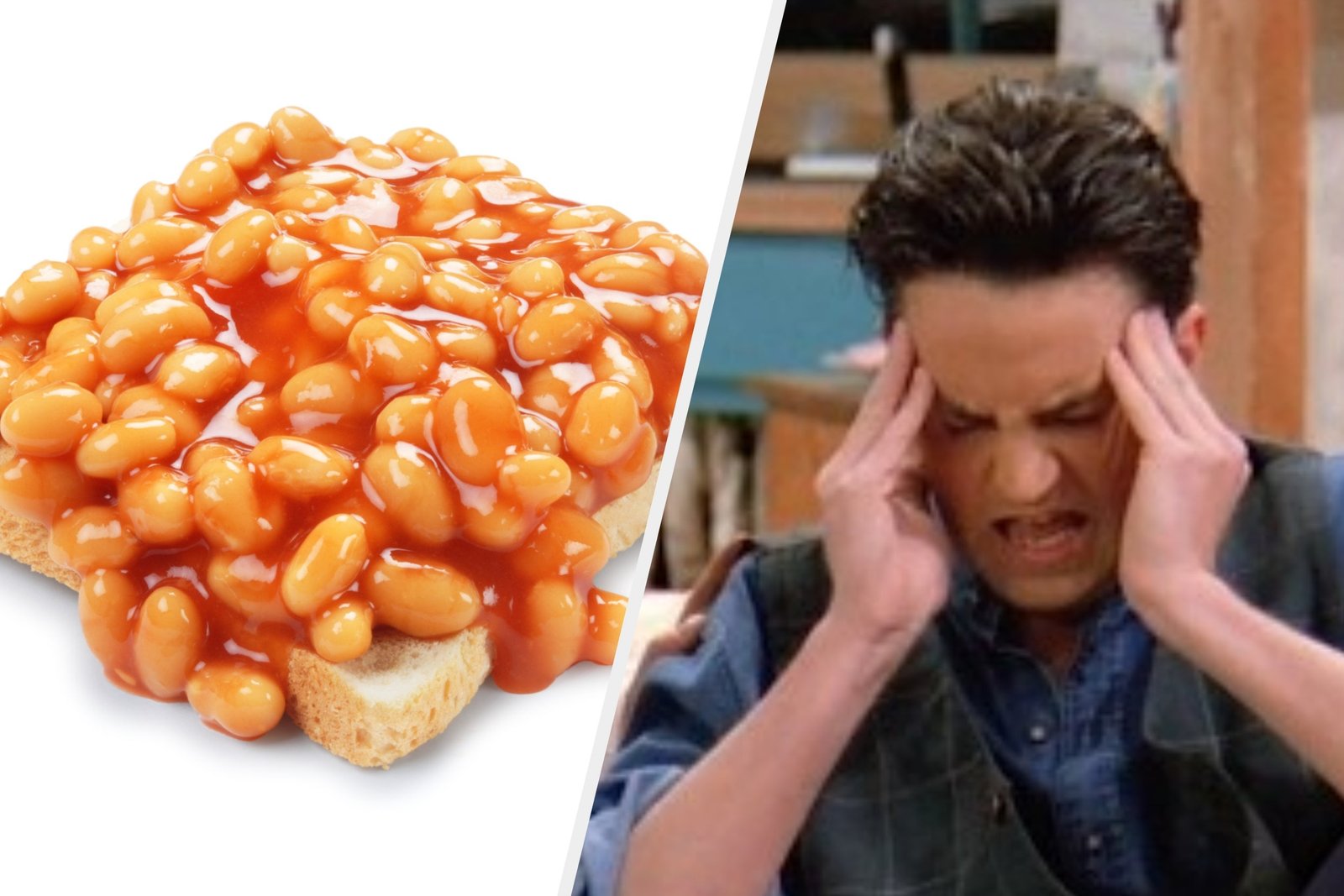
- UK: Eating a chocolate orange like an apple and making weak toast for beans on toast both drew disbelief.
- Spain: Paella at dinner was described as a culinary misstep, because it is traditionally a lunchtime dish.
- Canada: Ketchup on poutine — or swapping in shredded mozzarella — was named an unforgivable twist.
These reactions may sound dramatic, but they underline an important point in this daily trending topic: context matters. Foods carry rules that often reflect history, regional pride, and family rituals as much as taste.
Read more: Daily Digest | Media Digest | Luxe Digest
When etiquette matters as much as flavour
Not every so-called food crime is about whether something tastes good. In several countries, the issue is symbolism and etiquette.
Chopsticks, rice, and funeral symbolism
Across parts of Korea, China, Japan, and Vietnam, sticking chopsticks upright in a bowl of rice is deeply frowned upon because it resembles offerings made to the dead. In Korea, even placing a spoon upright can carry similar funeral associations. For locals, this isn’t a quirky dining preference; it is a meaningful cultural taboo.
Tea and table manners
Britain also entered the debate with a more understated but equally passionate grievance: adding milk before removing the teabag. For tea traditionalists, the order matters. It may seem minor, but that sequence says a lot about ritual, routine, and respect for a national staple.
Guest hierarchy and ceremonial serving
One of the most fascinating contributions came from Kyrgyzstan, where serving the wrong cut of meat to the wrong guest can be a serious social misstep. Different bones and cuts carry different status, and who receives what depends on age, family role, and the occasion. It is a reminder that in many cultures, food service is also a language of honour.
Regional favourites people will defend to the end
Several examples in this daily trending topic focused on beloved national dishes being altered in ways locals simply cannot accept.
- Steak with ketchup: For many, this was less seasoning and more sacrilege.
- Momo with mayonnaise: A Nepali perspective insisted these dumplings should stay spicy, not creamy.
- Quesadillas without cheese: In much of Mexico, that idea was treated as absurd given that cheese is central to the name itself.
- Dolmades variations: Greek commenters pointed to strict expectations around ingredients in vine-leaf and cabbage-leaf versions, as well as what belongs in proper tzatziki.
- Scones with jam and cream: Even within the UK, people remain divided over which topping goes first.
These arguments can sound playful, but they reflect something deeper: people protect the foods that represent home. Alter a classic too much, and you are not just changing a recipe — you are challenging a tradition.
Explore more: Stories on Daily Digest | Features on Media Digest | Lifestyle reads on Luxe Digest
Why this daily trending topic resonates so widely
The reason this daily trending topic has connected with so many readers is simple: everyone has a version of this debate. Whether it is pineapple on pizza, overcooked pasta, or the correct way to pour tea, food opinions are universal conversation starters.
There is also a broader cultural lesson here. In places like the United States, where culinary traditions from many communities mix together, one commenter observed that almost nothing is a food crime to everyone — and yet everything is a food crime to someone. That may be the most accurate summary of modern global food culture.
What counts as “wrong” depends on where you are, who taught you to eat, and what memories are attached to the dish. The same plate can feel comforting to one person and completely outrageous to another.
Final takeaway
If this daily trending topic proves anything, it is that food rules are really stories about belonging. Laugh at them if you like, but they offer a window into customs, etiquette, and pride that travellers would be wise to understand. So the next time someone winces at ketchup on steak, weak toast, or chopsticks stuck in rice, remember: you may not just be breaking a rule — you might be stepping on a tradition.
Article/Image Courtesy: BuzzFeed