




The quiet details of a final goodbye can shape a family for years. This Europe news feature, with strong relevance for ireland news and wider irish news audiences, explores why closure at the end of life matters so deeply for patients and the people they leave behind.
A widely shared lesson from palliative care is that a peaceful death is rarely only about medicine. It is also about place, dignity, music, honesty, family presence and the chance to say what was left unsaid. That was the life-changing insight described by Caty Hollis, a UK palliative care nurse whose understanding of end-of-life care was transformed when her father died at home after living with colon cancer.
Europe news: Why closure matters at the end of life
Before moving into hospice work, Hollis had already seen many deaths in hospital wards. Those experiences were often clinical, busy and dominated by treatment decisions. But when her father entered his final days, the focus changed. A week before he died, the family decided he would remain at home in London, surrounded by relatives and the music he loved.
That setting created room for reflection and comfort. Her father, a former police detective, spoke openly about regrets, including wishing he had spent more time with his daughters instead of allowing work to consume so much of his life. For families facing similar moments, those final conversations can become a form of emotional repair.
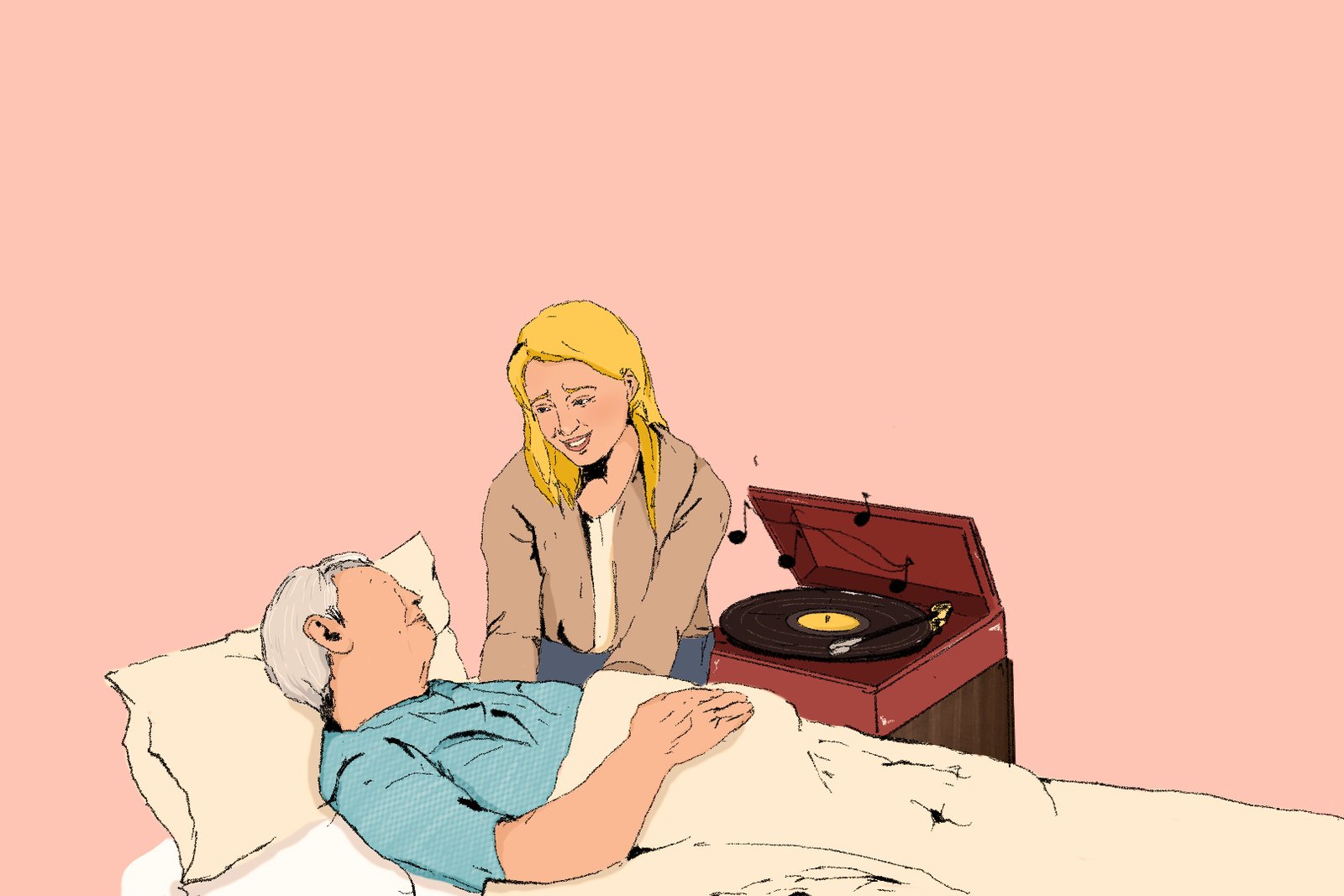
The atmosphere around his bedside was personal rather than medical. Favourite songs played in the room, loved ones stayed close, and even moments of laughter became part of the farewell. For Hollis, that contrast with hospital deaths was profound: instead of alarms, interruptions and sterile surroundings, her father experienced calm, familiarity and connection.
How family, music and environment support a peaceful death
After her father died, Hollis joined Marie Curie in 2003, one of the best-known end-of-life care charities in the United Kingdom. Her work reinforced a lesson that matters across europe news coverage of health systems: comfort is not a minor extra in dying care, it is central to it.
She argues that the right environment can ease fear and help families cope better after the death. Key elements often include:
- Being in familiar surroundings, whether at home or in hospice
- Having loved ones nearby
- Playing meaningful music
- Encouraging open conversations
- Reducing conflict and confusion around care decisions
Music, in particular, can be powerful. It can bring back memories, soothe anxiety and help create a gentler atmosphere. In many palliative care settings, music becomes part of how families remain emotionally connected, even when the patient can no longer speak.
Hollis also notes a belief shared by many care teams: hearing may be the last sense to fade. That is why families are often encouraged to keep talking, reminiscing and offering reassurance during the final 24 to 48 hours, even when a loved one appears unresponsive.
Why reconciliation can matter so much
One of the hardest parts of dying is unresolved family tension. Hollis recalled caring for a woman whose two daughters had a strained relationship, including one who had been absent from her mother’s life. When the estranged daughter returned during hospice care, conflict followed. With support from staff and a family support team, the sisters gradually understood each other better, reducing distress for their mother in her final days.
This is where closure becomes more than a comforting word. It can mean fewer regrets, less guilt and a healthier grieving process. It does not erase pain, but it may soften the emotional aftermath.
What this means for ireland news readers and families everywhere
For anyone following ireland news, this story resonates beyond borders because ageing, terminal illness and caregiving affect families in every community. The larger takeaway is not that every death can be peaceful. Hollis is clear that some deaths are marked by pain, fear or resistance, especially among younger patients who are not ready to let go.
Even so, many people do eventually reach a calmer stage. In those moments, the bedside can become a place not only of sorrow but of honesty, memory and even joy. Families may laugh, share stories and reconnect around the person they love.
There is another message here too: do not postpone life. Working in palliative care made Hollis more determined to travel, spend time with friends and be present for her children. That perspective will feel familiar to many readers of irish news, where work-life balance, family connection and quality of life remain central public concerns.
Practical lessons families can take away
- Discuss end-of-life wishes early, before a crisis.
- Think about environment: home, hospice or hospital each brings different benefits.
- Use music, photos and personal objects to create comfort.
- Encourage relatives to speak openly and settle disputes where possible.
- Remember that presence often matters more than perfect words.
Closure matters because grief does not end at death
The strongest lesson from this Europe news story is simple: closure matters. When a dying person is supported by family, heard with compassion and allowed to spend their final hours in peace, the experience can change how loved ones grieve for years afterward. For readers seeking thoughtful ireland news and irish news with real human value, this account is a reminder that a good goodbye is not about giving up. It is about dignity, reconciliation and carrying less regret into the future.
FAQs
What does closure mean at the end of life?
Closure usually refers to emotional peace before death, including honest conversations, family presence, reduced conflict and a sense of acceptance.
Why is home or hospice often preferred for end-of-life care?
Home and hospice settings can feel calmer and more personal than hospital wards, allowing more comfort, privacy and family connection.
Can patients still hear in their final hours?
Many palliative care professionals believe hearing may be one of the last senses to fade, so families are often encouraged to keep talking to their loved one.
How does closure affect grief?
It cannot remove sadness, but it may reduce guilt, unresolved tension and regret, helping families process loss in a healthier way.