


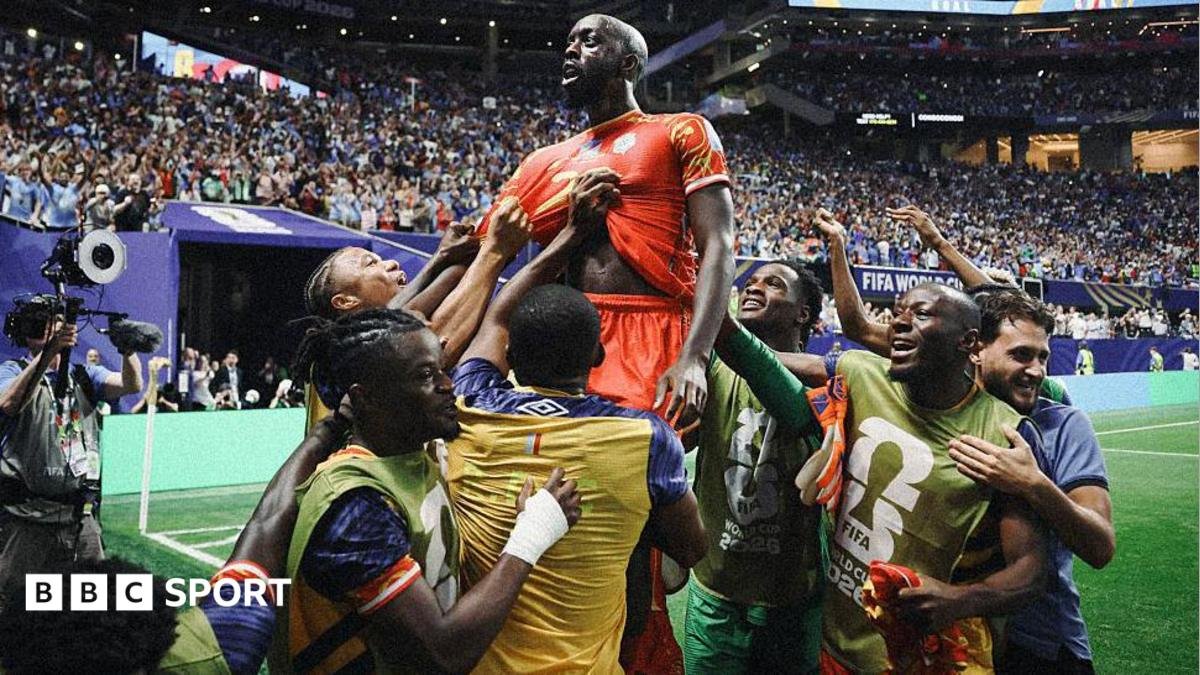
A striking theme has emerged at World Cup 2026: Africa is no longer arriving to make up the numbers. The early rounds of the FIFA World Cup 2026 have underlined a sharp competitive shift, with African nations turning depth, structure and belief into results that are reshaping discussion around the Football World Cup 2026.
What makes this surge notable is not simply the expanded 48 team World Cup format. More places in the competition may have opened the door, but performance still had to justify the opportunity. That is exactly what African sides have done, producing a strong group-stage return while several Asian teams struggled to match the same standard.
African progress is built on more than the World Cup 2026 format
The new World Cup 2026 format has naturally changed the landscape. With more groups, more teams and a larger World Cup 2026 knockout stage, there are fresh routes into the last 32. But format alone does not explain why so many African teams advanced and why only a limited number from Asia kept pace.
The bigger story is long-term development. Morocco’s run in Qatar helped establish a model that others have followed: investment in academies, better coaching, stronger domestic pathways and more players gaining experience in elite European leagues. That blend of planning and exposure is now showing up across the World Cup 2026 teams list from the continent.
- Morocco’s sustained youth development has set the benchmark.
- More African internationals are playing in top European competitions.
- Improved federation planning is producing greater consistency.
Read more: Explore the latest international football analysis
What the results say about the FIFA World Cup 2026
Several African nations progressed from the group stage, confirming that this is not a one-team storyline. Morocco remain the flagship example, but Algeria, Ghana, DR Congo, Senegal, Egypt, Ivory Coast, Cape Verde and South Africa all contributed to a broader message: the competitive floor has risen.
By contrast, Asia’s return has raised difficult questions. Outside a small number of established sides, too many teams lacked the technical level, squad depth or high-end club experience needed to survive the pace of the tournament. In a competition as unforgiving as the FIFA World Cup 2026, those gaps are quickly exposed.
Read more: Explore more big-match trends from global sport
What comes next as the World Cup 2026 schedule moves on
The next challenge is whether this momentum can carry into the sharper end of the bracket. Progress from the groups is important, but true legacy is built in knockout ties. That is where composure, tactical clarity and squad quality are tested most severely, especially with the World Cup 2026 fixtures now bringing heavier favourites into view.
Still, the tone has changed. African nations are no longer discussed as outsiders hoping for a moment; they are increasingly viewed as credible threats in the World Cup 2026 schedule. That alone marks a significant shift in the balance of the tournament.
Explore: More stories shaping the sporting landscape
The takeaway from World Cup 2026
The clearest lesson from World Cup 2026 is that investment and structure matter over time. Africa’s rise looks earned, not accidental, and the wider tournament is stronger for it. As the FIFA World Cup 2026 heads deeper into the knockout rounds, one question now feels entirely reasonable: not whether an African side can compete, but how far one might go.
Article/Image Courtesy: BBC