




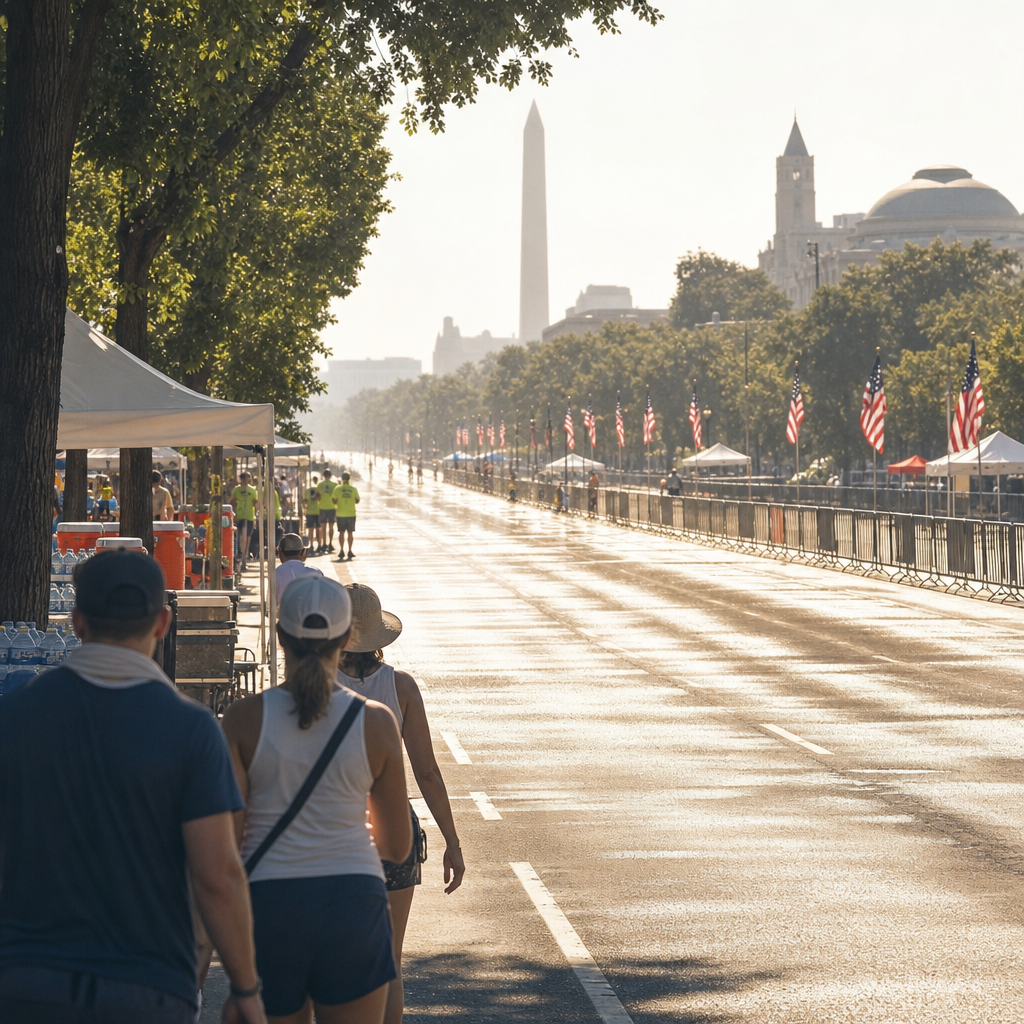
Plans for parades, fireworks and family gatherings across the United States were upended after a severe heatwave hit key cities during Independence Day celebrations. For readers following breaking news ireland and major global events, the story highlights how extreme weather can rapidly turn a national holiday into a public safety emergency.
Large parts of the US were placed under heat alerts as temperatures climbed above 100F, with humidity pushing the felt temperature significantly higher in some areas. Officials warned that prolonged exposure outdoors could quickly lead to heat exhaustion or heatstroke, especially among children, older adults and vulnerable people attending crowded public events.
Holiday events cancelled as dangerous heat spreads
Several high-profile Fourth of July events were either cancelled, shortened or temporarily shut down as authorities assessed the risk to public safety. In Washington DC, organisers cancelled the city’s Independence Day parade after forecasts pointed to dangerous conditions. The Great American State Fair on the National Mall was also forced to close for part of the day after numerous people reportedly needed medical attention for heat-related illness, with some taken to hospital.
Philadelphia was also affected, where the city’s main Salute to Independence Parade was called off as temperatures threatened long-standing records. Elsewhere, local authorities in parts of New Jersey and New York either postponed or scrapped concerts, fireworks displays and community celebrations.
- More than 185 million people were reportedly covered by heat alerts
- Temperatures topped 100F in multiple areas
- Humidity made conditions feel even more severe
- Medical crews responded to heat-related emergencies at public events
Read more: latest news ireland | ireland news today | irish breaking news
Heat emergency raises pressure on power and health services
The weather crisis did not just affect public celebrations. It also put major strain on infrastructure as millions relied on air conditioning to cope with the intense heat. Utility providers warned of surging electricity demand, while some customers in New York experienced outages during the sweltering conditions.
Emergency officials urged people to stay hydrated, avoid prolonged time in direct sun and check in on older neighbours or relatives. Public messaging focused on common warning signs of heat illness, including dizziness, nausea, rapid heartbeat and confusion.
Why the heatwave became such a major risk
The main danger came from the combination of high air temperatures and oppressive humidity. That mix reduces the body’s ability to cool itself, making outdoor celebrations much more dangerous than the thermometer alone might suggest. Crowded events, long waits, limited shade and alcohol consumption can all increase the risk.
- High temperatures increased physical stress
- Humidity made it harder for sweat to cool the body
- Large crowds created additional pressure on emergency response teams
- Power demand surged as households and venues used more cooling systems
Explore more: ireland current affairs | latest ireland updates | what happened in ireland today
What this means for weather planning and public events
The disruption to such a major national holiday underlines a wider challenge for event organisers worldwide: extreme weather is increasingly becoming a central planning issue. Large public gatherings now require more detailed heat protocols, including shaded rest areas, water access, shortened programmes and fast medical support.
For audiences tracking breaking news ireland alongside international developments, this episode is a reminder that severe weather can affect transport, health systems, local businesses and emergency services all at once. It also shows why authorities are becoming quicker to cancel events when forecasts indicate life-threatening conditions.
Although the Fourth of July was meant to mark a historic national celebration in the US, the day was instead dominated by warnings, cancellations and public health concerns. In the end, the heatwave became the defining story, and for anyone watching breaking news ireland and world headlines, the lesson is clear: extreme heat is no longer a background issue but a major breaking event in its own right.
FAQs
Why were Fourth of July events cancelled in the US?
Authorities cancelled or delayed events because extreme heat and humidity created serious health risks for people attending outdoor gatherings.
Which cities were most affected?
Washington DC and Philadelphia were among the most prominent cities impacted, while parts of New Jersey and New York also saw disruptions.
What were officials warning the public about?
Officials warned about heat exhaustion, heatstroke, dehydration and the dangers of spending too long in direct sunlight.
Did the heatwave affect electricity supply?
Yes. Increased air conditioning use pushed up power demand, and some customers in New York reportedly experienced outages.