

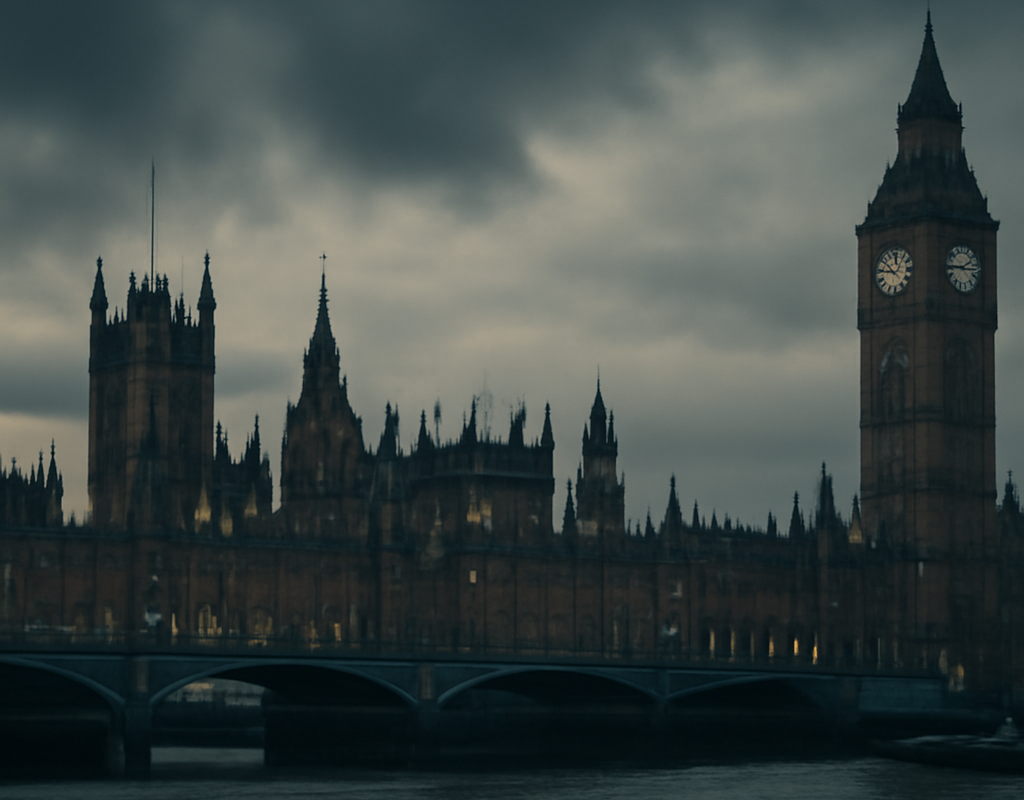
MPs have backed draft legislation aimed at addressing the legacy of the Northern Ireland Troubles, reopening a major political and legal debate over truth, justice and accountability for decades of conflict.
The bill was approved by the House of Commons on October 20th, 2026. Northern Ireland Secretary Sir Chris Bryant said veterans and families who lost loved ones deserved answers about what happened during the Troubles.
What the Northern Ireland Troubles Bill means
The legislation is designed to create a framework for dealing with unresolved cases connected to the conflict in Northern Ireland. Its central focus is the search for information about deaths, disappearances and other serious incidents that remain difficult or impossible for families to understand fully.
Speaking about the bill, Sir Chris Bryant described its purpose in terms of honesty, openness, justice and truth. The comments underline the government’s stated intention to address the needs of both victims’ families and former service personnel.
- The draft legislation has passed the House of Commons.
- It concerns the unresolved legacy of the Northern Ireland Troubles.
- Families, victims, veterans and former security personnel are among those affected.
- The next stages will determine how the proposals develop before becoming law.
Why the bill matters to families and veterans
The Troubles lasted for roughly three decades and involved republican and loyalist paramilitary groups, the British Army, the police and other security forces. Thousands of people were killed, while many more were injured or affected by displacement, trauma and loss.
For some families, the passage of time has not brought closure. Questions about responsibility, the circumstances of a death and the availability of official records can remain unresolved for decades. The proposed framework is intended to address that continuing demand for answers, although its operation and legal consequences remain subject to the legislative process.
Veterans and former officials have also expressed concerns over how historic cases may be investigated. Any system dealing with the past must balance the public interest in accountability with due process, evidence standards and the rights of people who may face allegations many years after an incident.
Background to the Troubles legacy debate
The legacy of the conflict has been one of the most sensitive issues in Northern Ireland politics since the 1998 Belfast Agreement. Successive governments have considered different mechanisms for truth recovery, investigations, information disclosure and support for victims.
Progress has been complicated by the age of many cases, missing evidence, disputed accounts and the death of people who might have provided testimony. The issue also crosses jurisdictions, involving institutions in Northern Ireland, the Republic of Ireland and the United Kingdom.
That cross-border dimension means the debate is relevant to Ireland News as well as developments in Westminster and Northern Ireland. Families on both sides of the border may be affected by decisions about archives, investigations and cooperation between authorities.
What happens next?
House of Commons approval is an important stage, but it does not automatically make the proposals law. The bill must continue through the parliamentary process, where its wording may be examined, challenged or amended.
Attention is likely to focus on several practical questions:
- How will legacy cases be prioritised?
- What information will be available to families?
- How will investigations operate?
- What protections will apply to veterans, former officers and other individuals?
- How will the arrangements interact with existing legal proceedings?
The answers will be central to whether the legislation can command confidence among victims’ groups, political parties and communities across Northern Ireland.
Follow DailyDigest Ireland coverage for further updates on Northern Ireland politics, justice and public affairs.
Frequently asked questions
What is the Northern Ireland Troubles Bill?
It is draft legislation intended to create arrangements for dealing with unresolved cases and information relating to the legacy of the Troubles.
Has the bill become law?
No. It has passed the House of Commons, but further parliamentary stages are required before it can become law.
Who could be affected?
Victims’ families, veterans, former security personnel, alleged perpetrators and public bodies involved in legacy investigations could all be affected.
Why is the issue controversial?
The debate involves competing demands for truth and justice, concerns about historic prosecutions, the reliability of old evidence and the rights of people accused of wrongdoing.
Why this is a major Ireland News story
The bill marks a significant step in an issue that continues to shape politics, community relations and public trust across Northern Ireland. For families still seeking answers, the legislation may offer a route towards greater clarity. For veterans and former officials, it raises questions about how historic conduct will be assessed.
The key takeaway is that parliamentary approval begins the next phase of the debate; it does not settle the legacy of the Troubles. The details of the final legislation, and how it is implemented, will determine whether it delivers meaningful truth and justice for those affected.