

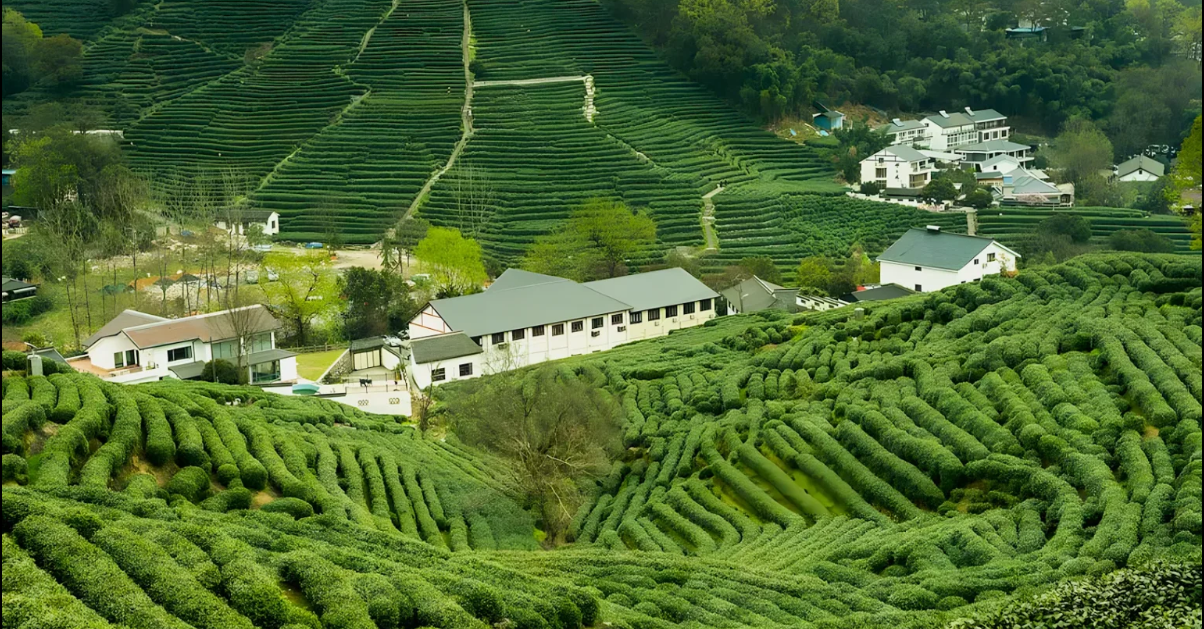
Longjing tea, often called Dragon Well, is more than a famous Chinese green tea—it is a seasonal craft tied to place, patience and skill. In Hangzhou, where the most prized leaves are harvested from hillside gardens near West Lake, travelers can discover why authentic Longjing tea is so revered and why tasting it at the source matters more than ever.
What Makes Longjing Tea So Special?
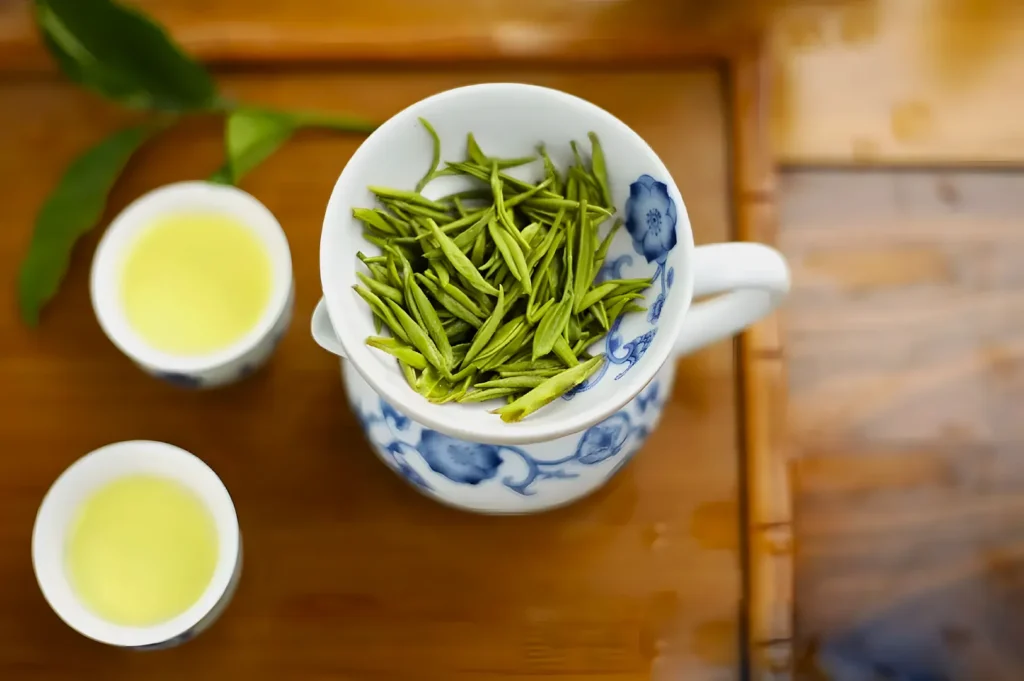
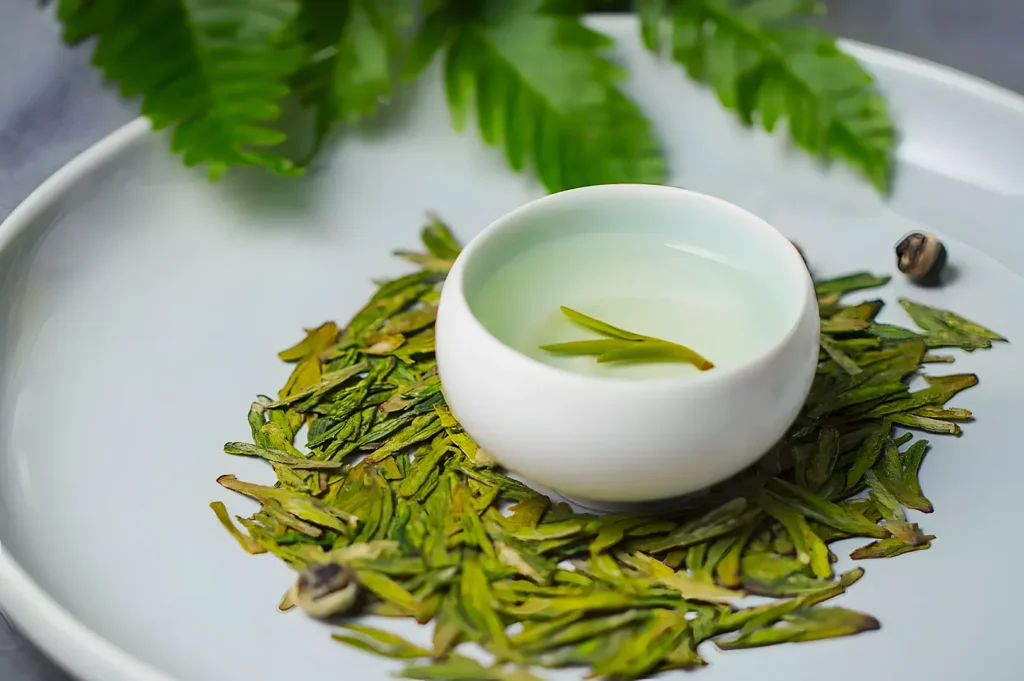
Longjing tea has centuries of prestige, with a reputation built on its flat spear-shaped leaves, pale green liquor and refined chestnut-like aroma. The finest batches come from early spring, especially the highly sought-after mingqian harvest, picked before the Qingming solar term in early April.
Its appeal comes from a combination of factors:
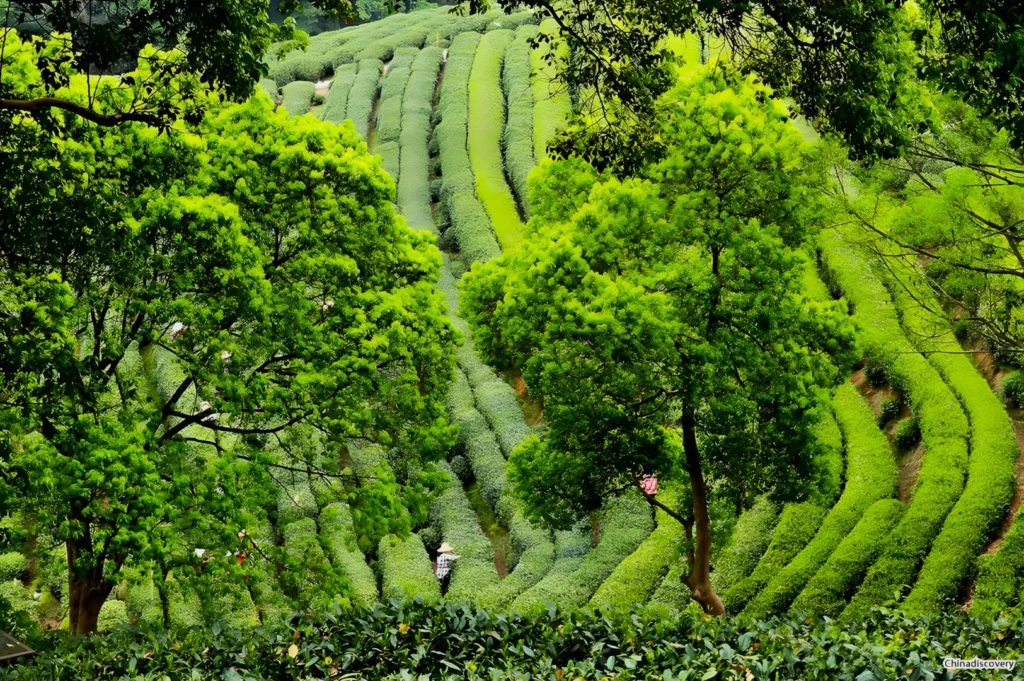
- Terroir: Hangzhou’s misty hills and gentle spring weather help create tender, sweet leaves.
- Timing: Even a few days can change flavor, texture and value.
- Craftsmanship: Traditional pan-firing by hand shapes the leaves and preserves their fragrance.
How Traditional Longjing Tea Is Made
After plucking, artisans fire the leaves in hot woks, using careful hand movements to stop oxidation and press the leaves into their signature form. This labor-intensive process helps produce the delicate sweetness and layered aroma that tea lovers associate with top-grade Longjing tea.
Although machine processing is becoming more common, traditional producers argue that hand-firing still gives the tea greater depth and a more lingering finish.
Why Visiting Hangzhou Matters
Counterfeit products and broad use of the Longjing name have made authenticity a growing concern. Visiting Hangzhou’s tea villages offers one of the best ways to experience genuine Longjing tea and understand its origins.
Popular ways to explore include:
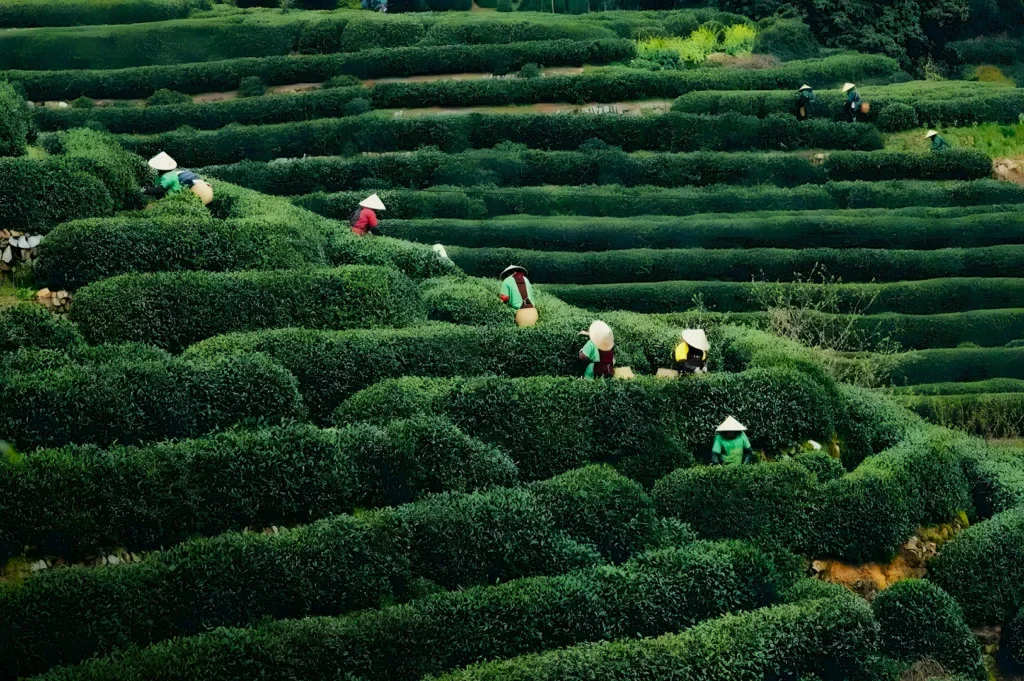
- Touring tea farms in Longwu and West Lake areas
- Watching live pan-firing demonstrations
- Joining guided tastings at tea museums or institutes
The best travel window is mid-to-late March through early April, when the spring harvest is underway.
The Takeaway on Longjing Tea
Authentic Longjing tea is not just a drink; it is a living tradition shaped by climate, geography and generations of expertise. For travelers and tea enthusiasts alike, the clearest way to appreciate Longjing tea is to experience it in Hangzhou, where every cup reflects the brief, precious rhythm of spring.
Image courtesy of BBC Travel/Getty Images