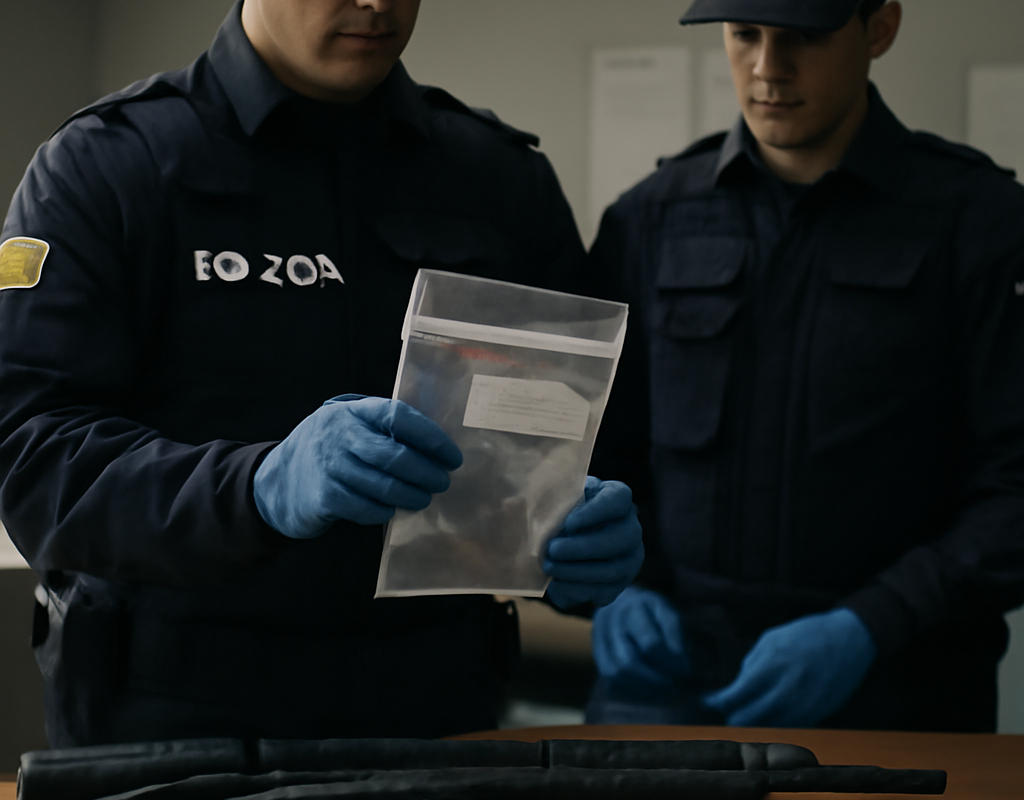
Spanish police have arrested three people in Seville province over alleged trafficking in military-grade weapons. Officers seized a working AK-47 assault rifle and an M80 anti-tank rocket launcher, which investigators believe were intended for criminal organisations linked to drug trafficking.
The arrests followed an investigation that began in June after authorities received information about a possible network involved in selling weapons of war. The case highlights the cross-border security risks posed by the illegal movement of firearms and military equipment in Europe.
What happened in Seville province?
Investigators identified several people in Dos Hermanas who allegedly acted as intermediaries between weapons suppliers and prospective buyers. According to the police account, one of the main suspects arranged contacts and helped broker transactions.
During a surveillance operation, officers saw two suspects travelling in a vehicle. When the occupants noticed the police presence, they allegedly attempted to escape and threw a bag onto the road.
Police said the bag contained:
- A 7.62-millimetre AK-47 assault rifle
- A 64-millimetre M80 anti-tank rocket launcher
Both weapons were reportedly in working order. A third person was subsequently arrested in connection with the alleged brokering of the weapons.
Police searches and court proceedings
The operation involved four house searches: three in Dos Hermanas and one in Seville. The searches formed part of the investigation into the suspected supply chain and the individuals allegedly involved in connecting sellers with buyers.
The three detainees were brought before the Investigating Court acting as the duty court in Dos Hermanas. At this stage, the arrests concern allegations under investigation. A court will determine the next procedural steps and whether further charges or restrictions are warranted.
Why the weapons seizure matters
The discovery of an anti-tank rocket launcher alongside an assault rifle distinguishes the case from a routine firearms investigation. Weapons of this type can pose a serious threat if they reach organised criminal groups, particularly those involved in drug trafficking and other forms of cross-border crime.
Spanish authorities said the suspected network was focused on the marketing of military weapons. Investigators also estimated that assault rifles could command prices of up to €6,000 each on the illegal market. That figure was presented as part of the investigation and does not establish how many weapons may have been sold or whether any wider network has been identified.
Cases involving weapons trafficking commonly require authorities to establish:
- Where the weapons originated
- How they were transported
- Who supplied or financed the transactions
- Who the intended buyers were
- Whether the activity was connected to other criminal investigations
Wider European security context
Although the arrests were made in Spain, suspected trafficking in firearms and military equipment can have implications beyond a single province. Weapons may move through several jurisdictions before reaching their intended destination, making cooperation between national police services and judicial authorities important.
Spain is part of wider European efforts to tackle organised crime, illicit firearms and the movement of dangerous goods. However, the reported arrests do not by themselves indicate that the operation involved an EU institution or that the suspects have been convicted. The case remains a national investigation handled by Spanish authorities and courts.
What happens next?
The investigating court will consider the evidence presented by police and prosecutors. Further investigative work may examine the alleged supply network, the origin of the seized weapons and any links to potential buyers or other criminal activity.
The three people arrested are entitled to due process, including the presumption of innocence. Any criminal liability would need to be established through the Spanish judicial process.
Conclusion
The Seville province arrests underline the potential danger of illegal weapons trafficking when military-grade equipment is allegedly directed towards organised crime. The immediate case involves three detainees, two seized weapons and four searches, while the next stage will depend on the findings of Spanish investigators and the decisions of the investigating court.