


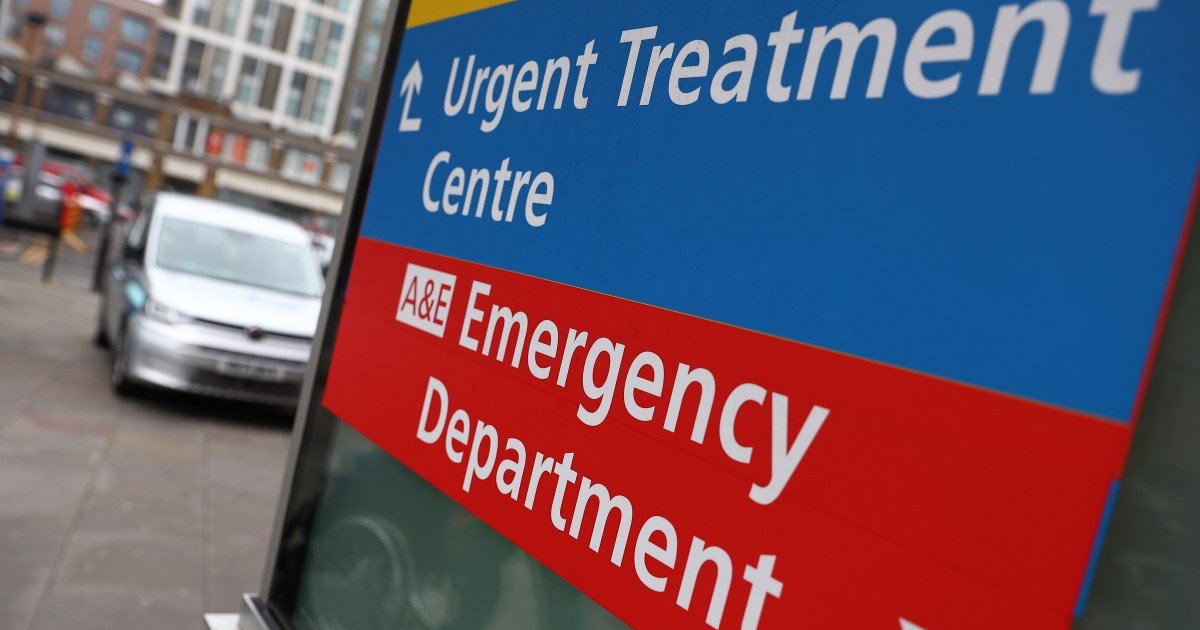
The latest Europe news out of Britain has triggered deep concern across healthcare systems in the region. Two major inquiries have found that avoidable failures in maternity and neonatal care contributed to the harm and deaths of mothers and babies in England, raising urgent questions for policymakers, clinicians and families following this developing story in irish news and wider European coverage.
The findings centre on serious breakdowns in hospital culture, staffing, accountability and patient safety. Together, they suggest that the problem is not limited to one trust or one hospital, but reflects broader structural weaknesses in parts of the UK maternity system.
Europe News: What the UK maternity inquiries found
A major review into maternity care in Nottingham concluded that hundreds of women and babies suffered poor outcomes over more than a decade. The inquiry, led by senior midwife Donna Ockenden, found that many cases involved care that may have been avoidable with better decision-making, faster escalation and more effective listening to families.
The review examined maternal deaths between 2006 and 2024 and said failings in care may have significantly affected outcomes in several of those deaths. It also documented recurring complaints of women being dismissed, treated harshly, or not taken seriously when reporting worrying symptoms.
Among the key failings identified were:
- Not listening properly to mothers and families
- Weak continuity of care for complex pregnancies
- Poor clinical governance and information-sharing
- Delayed access to scans and specialist review
- Unsafe staffing levels in busy maternity units
- A defensive culture that prioritised reputation over transparency
The report also described a toxic workplace environment, with allegations of bullying and repeated warnings that were not acted on by leadership.
System-wide concerns beyond Nottingham
A separate review led by Baroness Valerie Amos looked across 12 maternity and neonatal services and reached similarly troubling conclusions. It found that many women and babies were failed by services that did not respond effectively to patient concerns and, in some cases, delivered unequal care.
The Amos review said racism and discrimination were embedded in parts of the system. Families reported stereotyping, racist abuse, Islamophobia and antisemitism, while some staff also said they faced discrimination in the workplace. That finding has added a wider equality dimension to this Europe news story, making it relevant well beyond the UK.
Why maternal deaths are rising in the UK
The inquiries land against a backdrop of worsening national data. Research published earlier this year found the UK maternal mortality rate in 2022-2024 was 12.8 deaths per 100,000 maternities, around 20 percent higher than the level recorded in 2009-2011. That means an official ambition to halve maternal mortality has not been met.
According to UK maternal health monitoring, blood clots remained the leading cause of maternal death during pregnancy or within six weeks after birth. Heart disease was the second most common cause, followed by mental health-related causes, including suicide and substance use.
But medical causes are only part of the picture. The evidence also points to inequality as a major factor. Black women faced a maternal mortality rate nearly three times that of white women, while women living in the most deprived areas had nearly double the risk compared with those in the least deprived communities.
That makes this a public health, staffing and social inequality issue all at once, something closely watched in ireland news and across neighbouring health systems.
Have similar failures appeared elsewhere?
Yes. In Leeds, another independent inquiry was launched after reports that dozens of baby deaths and two maternal deaths between 2019 and 2024 may have been preventable. Regulators also raised concerns about staffing and infection control there, reinforcing the sense that the crisis reaches beyond one NHS trust.
What the UK government says it will do
The UK government has described the latest review as a turning point and announced several measures aimed at improving safety in maternity and neonatal care. These include:
- Appointing a new maternity and neonatal commissioner
- Creating a national maternity and neonatal taskforce
- Allocating an additional 41 million pounds for safety improvements
- Adding 1,000 temporary midwifery posts
- Publishing new emergency maternity care standards
There is also support for wider use of Martha’s Rule, which gives patients and families a route to seek an urgent second clinical opinion when they feel concerns are not being heard.
However, experts caution that extra funding and temporary staff alone may not solve the deeper issues. Burnout, weak leadership, poor culture and lack of trust within services can directly affect patient safety.
Explore more: in-depth European lifestyle and society features | long-tail Ireland news headlines and public policy coverage
FAQs: Key questions readers are asking
What caused the maternity scandal?
The inquiries point to chronic understaffing, failures to listen to women, poor governance, delayed treatment, toxic workplace culture and inadequate accountability.
Was this limited to one hospital?
No. While Nottingham was a central case, the Amos review and the Leeds inquiry indicate broader system-wide concerns in England’s maternity and neonatal services.
Are inequality and race part of the issue?
Yes. The reviews and national data indicate significantly worse outcomes for Black women and women from deprived communities, alongside reports of discrimination within services.
What should happen next?
Experts say the UK needs lasting workforce support, better leadership, stronger oversight, safer staffing levels and a culture that puts mothers and babies ahead of institutional self-protection.
Conclusion
This Europe news story is about far more than individual errors. The evidence now points to a persistent failure of culture, staffing and accountability in parts of the UK maternity system. For readers following ireland news and irish news, the central lesson is clear: maternal safety depends not only on medical skill, but on listening, equality, transparency and enough trained staff to provide safe care every time.