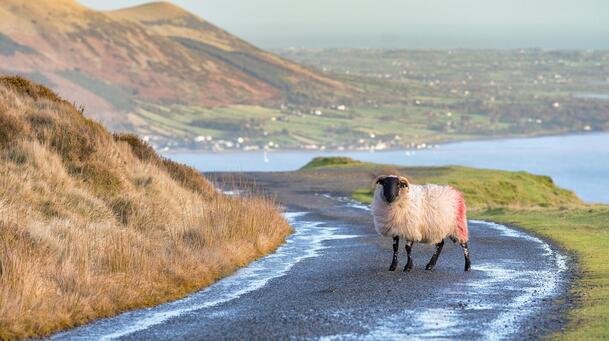
Ireland is compact, welcoming and remarkably straightforward to explore, making it an ideal destination for independent travellers, families and road-trippers. Whether you are planning a city break in Dublin, a coastal adventure along the Causeway Coastal Route or a slower journey through villages and countryside, this Ireland travel guide explains how to move around the island with confidence.
From rail connections and regional buses to rental cars, cycling routes and guided excursions, Ireland offers several practical ways to build an itinerary. The best option depends on your schedule, budget and the kind of experience you want—from cultural city visits to scenic countryside stays.
Why travelling around Ireland is so accessible
Ireland’s relatively small size means that many major destinations can be combined in one trip. Dublin, Belfast, Galway, Cork, Limerick, Kilkenny and Waterford each provide a different perspective on the island, while towns such as Armagh, Bangor, Newry and Derry~Londonderry offer history, food and local character.
Travellers will also find plenty of assistance along the way. Tourist information centres, accommodation providers and local residents are often useful sources of directions, transport updates and recommendations. Still, it is wise to plan the key parts of your journey in advance, particularly during busy summer periods.
Getting around Ireland by car
Driving is one of the most flexible ways to experience Ireland. A rental car makes it easier to reach remote beaches, mountain landscapes, historic estates and small villages that may have limited public transport.
Benefits of a self-drive itinerary
- Freedom to stop at viewpoints, heritage sites and villages.
- Easy access to rural areas and scenic coastal roads.
- Flexibility to change plans around weather conditions.
- Convenience for travellers carrying luggage or travelling as a group.
Popular routes include the Causeway Coastal Route between Belfast and Derry~Londonderry, as well as journeys through County Down and the Mourne Mountains. Roads can be narrow in rural areas, so allow extra time and avoid planning every part of the day too tightly. Remember that vehicles drive on the left-hand side of the road, distances are generally displayed in kilometres in the Republic of Ireland, and speed limits vary by road type.
Public transport between Ireland’s cities
Rail and bus services are useful for connecting major urban centres. Dublin has the island’s largest transport network, while Belfast provides an excellent base for exploring Northern Ireland. Trains can be particularly convenient for city-to-city travel, and buses reach many towns beyond the rail network.
Public transport works well for itineraries such as Dublin to Galway, Cork or Limerick, especially when you prefer not to drive. Check timetables before departure, as rural services may be less frequent outside peak periods and on Sundays. Booking ahead can also help during festivals, bank holidays and major events.
Best cities to include in an Ireland itinerary
- Dublin: Ireland’s lively capital, with museums, historic neighbourhoods, restaurants and cultural attractions.
- Belfast: A vibrant city known for Titanic heritage, music, dining and a strong contemporary arts scene.
- Galway: A welcoming base for Atlantic landscapes, traditional music and western Ireland.
- Cork: A characterful southern city with food culture and access to coastal attractions.
- Kilkenny: A compact heritage city with medieval landmarks and an atmospheric centre.
- Waterford: A historic southeast destination with Viking connections and waterfront appeal.
Exploring Ireland’s regions and scenic routes
Some of the island’s most memorable experiences happen outside the main cities. The Causeway Coastal Route combines dramatic coastline, historic locations and lively towns over a multi-day journey. County Down offers mountains, forests and waterways, while Strangford Lough is known for wildlife, tranquil scenery and landmarks.
In Northern Ireland, Hillsborough Castle provides a combination of history and landscaped gardens. The Mourne Mountains offer a striking setting for walkers and photographers, while Bangor is a seaside destination with heritage and a relaxed local atmosphere. Armagh, often associated with St Patrick, combines cathedrals, culture and traditional pubs.
Organising day trips and guided experiences
Guided tours can simplify travel when you have limited time or prefer local insight. Day trips from Dublin, Belfast, Galway or Cork can cover major landmarks without requiring you to navigate unfamiliar roads. Private tours and chauffeur-led journeys are useful for families, small groups and visitors interested in a slower, more tailored itinerary.
For independent travellers, interactive maps and city-based planning tools can help organise nearby attractions. Group destinations geographically so that you spend more time exploring and less time retracing your route.
Read more: Ireland travel inspiration
Continue planning your journey with these useful Ireland-focused resources:
Explore more: plan your Ireland itinerary
For additional inspiration, discover more guides and lifestyle coverage before you travel:
- Ireland luxury travel and premium destination inspiration
- Long-weekend ideas and Irish places to visit
Practical tips for travelling around Ireland
Plan around the weather
Ireland’s weather can change quickly, particularly along the Atlantic coast and in upland areas. Pack waterproof layers and comfortable footwear, and keep some flexibility in outdoor plans.
Allow realistic journey times
A route that looks short on a map may take longer than expected because of narrow roads, traffic, stops and changing conditions. Scenic travel is part of the experience, so avoid overloading your itinerary.
Keep essentials accessible
Carry a charged phone, offline maps, booking details and emergency contact information. In rural areas, mobile coverage can vary, so download directions before setting out.
Use city pins and local information
City maps and visitor information services are useful for finding attractions, transport links, walking routes and seasonal events. They can also help you discover nearby destinations that are not in your original plan.
Frequently asked questions
What is the easiest way to travel around Ireland?
For major cities, trains and buses are practical. A rental car is usually the most flexible option for rural areas, coastal routes and attractions away from public transport.
Is Ireland suitable for a self-drive holiday?
Yes. Ireland is well suited to self-drive travel, although visitors should be comfortable driving on the left and navigating narrow country roads.
Can I visit Belfast and Dublin on the same trip?
Yes. Belfast and Dublin are well connected and can be combined in one itinerary, alongside destinations such as Galway, Cork or Kilkenny.
How long should I spend travelling around Ireland?
A long weekend works well for one city and nearby attractions. Around one to two weeks allows more time for regional routes, coastal scenery and rural stops.
Should I book transport in advance?
Advance planning is recommended for rental cars, popular tours and accommodation, especially during summer, festivals and public holidays. Check current schedules before travelling.
Final takeaway
Ireland is easy to explore when you combine realistic planning with room for discovery. Use public transport for efficient city connections, choose a car for scenic and rural journeys, and rely on local information when you want to uncover lesser-known places. With the right balance, travelling around Ireland becomes more than getting from one destination to another—it becomes part of the adventure.