China’s dominance in clean technology is reshaping global energy markets, while Europe faces pressure to strengthen its own industrial base. The latest EU climate and energy debate is no longer only about cutting emissions; it is also about manufacturing, energy security, investment and competitiveness.
From solar panels and batteries to heat pumps, electric vehicles and smart grids, Europe is expanding renewable infrastructure but remains heavily dependent on imported equipment and materials. The central question for European policymakers is whether the European Union can build enough domestic capacity to compete without slowing the clean-energy transition.
Why China has gained an advantage
China has established a powerful position across several parts of the clean-technology supply chain. Its manufacturers produce large volumes of solar modules, batteries and electric vehicles, helping reduce unit costs and accelerate deployment around the world.
That scale has made renewable technologies more accessible, but it has also created strategic risks for Europe. Dependence on overseas suppliers can expose businesses and consumers to trade disputes, shipping disruption, price volatility and shortages of critical materials.
China’s manufacturing strength has contributed to rapid global deployment of clean technologies. However, the benefits of lower prices are accompanied by concerns about whether European companies can remain competitive in sectors that are expected to support future growth.
Europe’s clean industry challenge
The EU has introduced a range of measures intended to support domestic production and reduce reliance on external suppliers. These include industrial policy, renewable-energy targets, funding programmes and efforts to secure critical raw materials.
Yet European manufacturers often face higher energy, labour and compliance costs than competitors elsewhere. Complex permitting procedures and slow grid connections can also delay new factories and renewable projects.
The challenge is therefore broader than building more solar farms or wind turbines. Europe must develop an integrated industrial ecosystem covering manufacturing, research, electricity networks, storage, recycling and skilled employment.
The sectors under pressure
- Solar power: Europe is installing solar capacity quickly, but much of the equipment is imported.
- Electric vehicles: European carmakers are competing in a market shaped by battery costs, software and access to critical minerals.
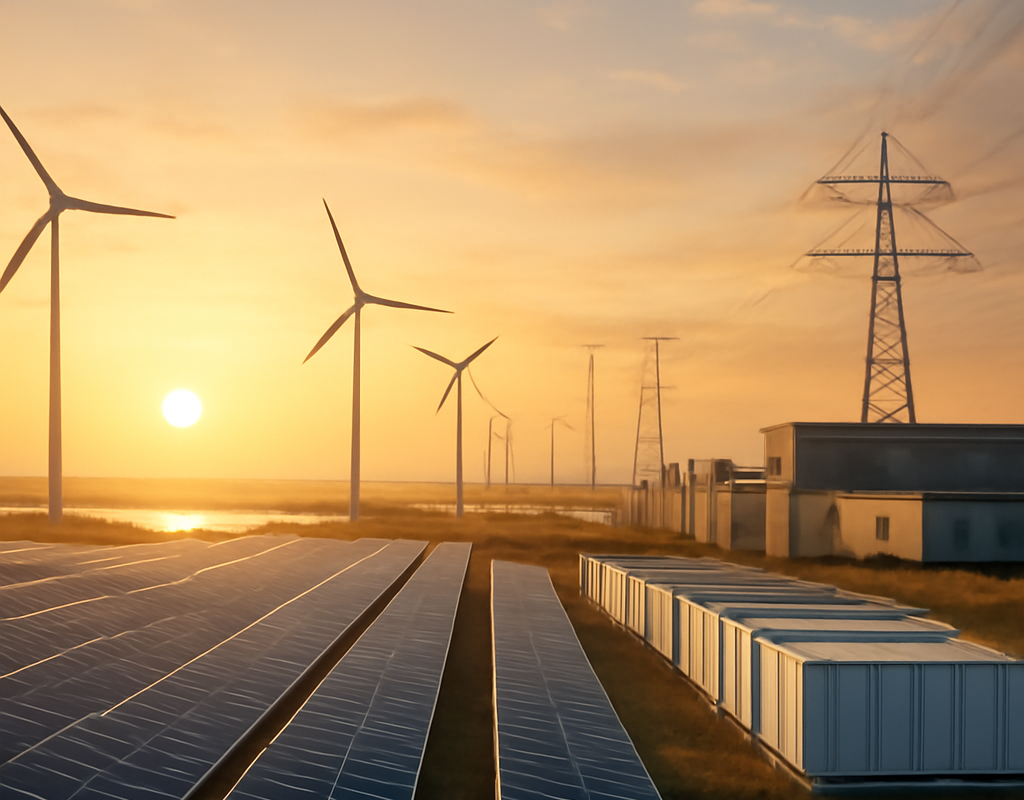
- Energy storage: Batteries are essential for balancing variable wind and solar generation, yet production remains concentrated in a small number of countries.
- Heat pumps: These can reduce dependence on fossil-fuel heating, but adoption depends on affordability, installers and electricity prices.
- Power grids: New generation cannot deliver its full value without stronger transmission, distribution and interconnection infrastructure.
Can EU policy close the gap?
European Commission proposals and national investment plans aim to make clean manufacturing more attractive. The EU’s approach combines financial support, regulatory measures and cooperation with international partners.
Policy alone, however, cannot guarantee success. Companies need predictable demand, faster planning decisions and access to affordable electricity. Investors also need confidence that support will remain stable beyond individual political cycles.
Europe’s single market is a major potential advantage. A common market of EU member states can provide manufacturers with a large customer base and shared standards. Coordinated purchasing, joint research and cross-border infrastructure could help European companies achieve greater scale.
What the transition means for households
The clean-technology race has direct consequences for consumers. Lower-cost solar panels, batteries and heat pumps can reduce energy bills over time, but the initial investment may be difficult for households to afford.
Electricity prices, grid charges, building standards and national subsidies will all influence how quickly consumers adopt new technologies. A stronger European manufacturing base could improve supply resilience, but it would not automatically make every product cheaper.
Consumers may also benefit from technologies that allow homes and vehicles to interact with the electricity system. Smart meters, home batteries and vehicle-to-grid charging can help shift demand away from peak periods and make better use of renewable power.
The importance of skills and infrastructure
Europe’s energy transition will require more than factories. Engineers, electricians, construction workers, software specialists and maintenance teams will be needed to install and operate new systems.
Grid expansion is particularly important. In several European countries, renewable projects have faced long waits for connection because networks lack capacity. Delays can leave clean electricity unused and weaken the business case for investment.
Recycling will become increasingly important as solar panels, wind-turbine components and electric-vehicle batteries reach the end of their first working lives. Building circular supply chains could reduce waste and lower Europe’s dependence on imported raw materials.
What happens next
The EU’s clean-industry strategy will depend on how effectively European institutions and national governments turn targets into practical projects. The next stages include investment decisions, permitting reforms, grid construction, research partnerships and measures to support workers and affected regions.
Trade policy will also remain central. European authorities must balance open markets, affordable technology and fair competition with the goal of protecting strategic industries. Any new EU rules or financial support must comply with the bloc’s competition framework and international obligations.
For Ireland, the implications are linked mainly to energy prices, renewable development, grid investment and the competitiveness of businesses operating in the single market. Ireland’s growing wind and solar potential could support the transition, but delivering that potential depends on planning, storage and connections to the electricity system.
Conclusion
The clean-technology race is becoming a test of Europe’s industrial resilience as well as its climate ambition. China’s manufacturing scale has accelerated the global transition, but Europe still has strengths in research, engineering, regulation and the size of its single market.
The key challenge for the EU is to turn those strengths into competitive production, faster infrastructure delivery and affordable access to clean energy. Europe’s clean technology future will depend not on one measure, but on whether governments, institutions and industry can build a reliable supply chain from innovation to everyday use.