

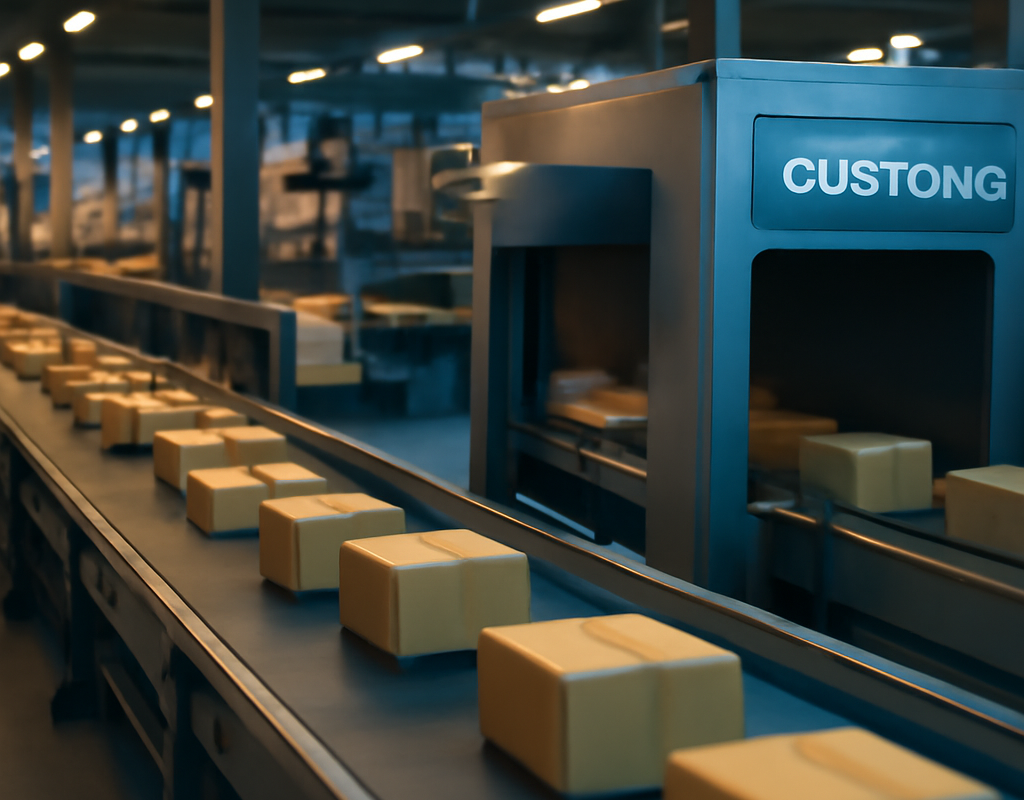
A new €2 charge on small parcels entering the European Union is due to apply from 1 November, adding to measures designed to address the surge in low-value imports and protect retailers across the single market.
The measure is part of the EU’s response to the rapid growth of direct-to-consumer shipments, particularly from online marketplaces based outside the bloc. It follows an earlier €3 fee introduced in July, which was associated with a reported 60% fall in small parcel imports over the subsequent three months.
What the EU parcel charge means
The €2 charge applies to packages entering the EU and is intended to make the handling and oversight of low-value consignments more sustainable. The policy comes as European authorities face pressure from retailers concerned that ultra-low-cost imports are distorting competition.
Many of the parcels affected are ordered through international e-commerce platforms. Their business models often rely on sending individual, inexpensive packages directly to consumers rather than shipping goods in larger consignments through traditional import channels.
The EU’s approach reflects wider concerns about customs enforcement, product safety and the competitive position of European businesses. A large number of small shipments can make checks more difficult, while consumers may not always have clear information about the origin, standards or compliance status of products.
Why Brussels is introducing the measure
The parcel fee is linked to a broader policy debate over how the European Union should manage the growth of cross-border online shopping. Retail groups argue that European sellers must comply with extensive consumer, tax and product-safety obligations, while some overseas sellers can reach customers through platforms at very low prices.
Supporters of the charge say it can help rebalance those conditions and contribute to the cost of processing parcels. It may also encourage platforms and logistics operators to consolidate shipments, potentially reducing the number of individual consignments entering the customs system.
However, the measure could increase costs for consumers who purchase inexpensive products from outside the EU. The ultimate effect will depend on how marketplaces, sellers, delivery companies and customs authorities pass on or absorb the charge.
How the new EU rules fit into wider customs reform
The €2 charge should be viewed alongside broader EU efforts to modernise customs procedures and strengthen controls on goods entering the bloc. Policymakers are examining how to handle the enormous volume of e-commerce consignments while ensuring that import duties, safety rules and consumer protections are properly enforced.
- Consumers: Some purchases from outside the EU may become more expensive.
- Online marketplaces: Platforms may need to adjust pricing, logistics and customs arrangements.
- European retailers: The measure is intended to reduce some of the competitive pressure created by ultra-low-cost imports.
- Customs authorities: Additional systems may be required to identify and process affected packages.
The earlier €3 measure and the reported decline in imports demonstrate how sensitive cross-border e-commerce can be to even modest changes in fees. A reduction in parcel volumes could ease pressure on customs systems, although it may also affect delivery networks and sellers whose business models depend on high shipment volumes.
Who will be affected?
The charge is most relevant to consumers ordering low-value goods from sellers located outside the European Union. It is not the same as a general sales tax, customs duty or import tariff, and the source material does not establish how it will be collected in every transaction.
Consumers should therefore check the final price shown by the retailer or platform, as the cost may be incorporated into the purchase price, added at checkout or reflected in delivery charges. The exact treatment can vary depending on the seller, the platform and the customs process.
Businesses importing goods in larger consignments may not be affected in the same way as individual small-parcel shipments. The central issue is the treatment of low-value packages entering the EU’s customs territory.
What does the measure mean for Ireland?
Ireland is part of the European Union’s customs union and single market, so the policy is relevant to Irish consumers and businesses importing goods from outside the bloc. Anyone ordering low-cost products from non-EU sellers may need to review the total cost and delivery terms from 1 November.
The measure may also affect Irish retailers competing with overseas platforms. If the charge reduces the price advantage of direct imports, domestic sellers could face somewhat more comparable conditions. That outcome is not guaranteed, however, because platforms may change product prices, shipping arrangements or promotional strategies.
What happens next?
The immediate focus will be on implementation: how customs authorities, postal operators, couriers and online marketplaces apply the charge in practice. Consumers and businesses will also be watching whether parcel volumes continue to fall and whether the measure changes purchasing patterns.
The policy is likely to remain part of a wider discussion about the balance between convenient online shopping, effective customs enforcement, fair competition and consumer protection. Further EU decisions could clarify or alter the longer-term framework for low-value imports.
Conclusion
The new €2 parcel charge represents a targeted EU response to the rapid expansion of low-value cross-border e-commerce. It may help address competitive and customs concerns, but it also risks raising costs for consumers and smaller sellers. For Ireland and other EU member states, the key question will be how consistently the measure is applied and whether it produces a fairer marketplace without unnecessarily restricting consumer choice.