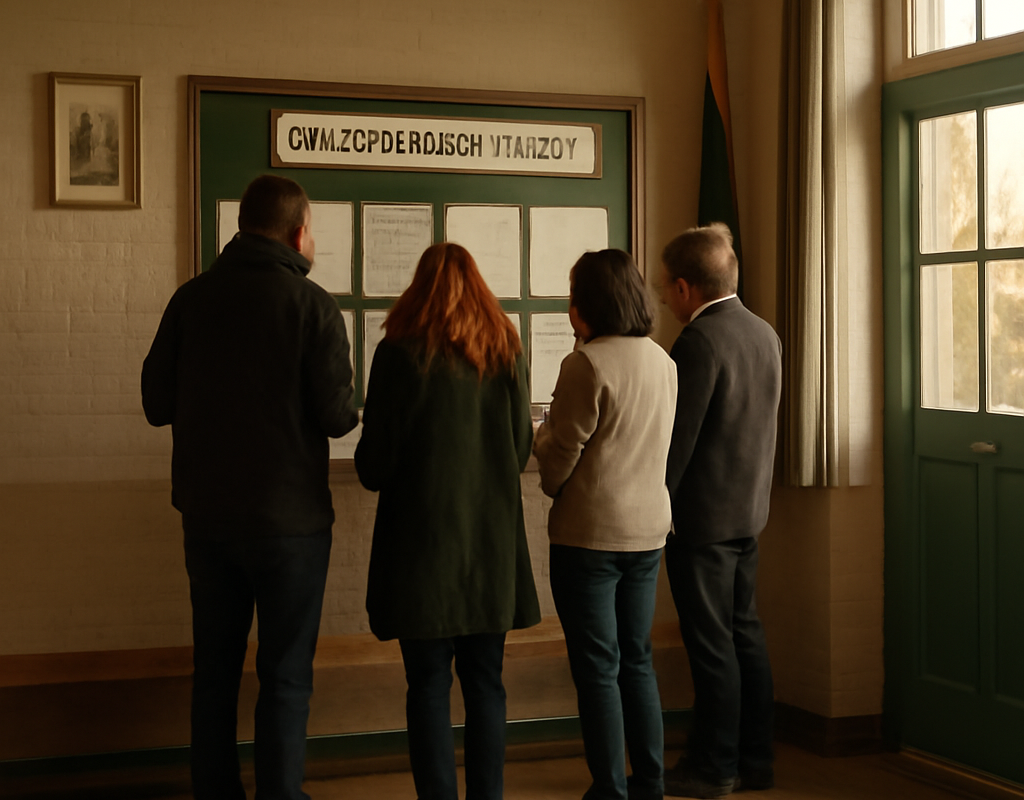
Parents seeking greater choice in primary education have been given another delay to contend with as the deadline for schools considering patronage changes moves to November 30th. The extension has renewed concern among families who say progress on religion in schools is moving too slowly.
Deadline extended for primary school decisions
Primary schools now have an additional month to tell the Department of Education and their patron whether they want to join the first group of schools changing their model. The decision may involve transferring patronage, changing from single-sex to co-educational provision, or switching the language of instruction between Irish and English.
The revised deadline is November 30th. Schools that take part would form the first tranche of institutions undergoing changes under the Government’s wider plans for greater diversity and parental choice in primary education.
Why parents are dissatisfied with the pace of change
The deadline change comes after a nationwide survey in which many parents expressed support for divestment from existing patronage arrangements. Divestment generally refers to transferring responsibility for a school from one patron body to another, including a move towards multi-denominational education.
For families who voted for change, the latest extension is being viewed as another sign that the process remains slow and difficult to navigate. Parent representatives have highlighted the gap between consultation and practical change, particularly in areas where communities have already indicated a preference for multi-denominational schooling.
The issue is closely linked to the role of religion in Irish primary schools. Although schools operate under different patronage models, the availability of a suitable alternative can vary significantly between communities. That means parents may support reform in principle but still have limited options when choosing a local school.
- The new deadline is November 30th.
- Schools must notify the Department of Education and their patron.
- Possible changes include patronage, school type and teaching language.
- Parents who supported divestment remain concerned about delays.
What school patronage changes could involve
Schools considering participation may need to assess several practical and community questions before making a decision. These include whether there is sufficient local demand, how governance would operate and what arrangements would be required for staffing, facilities and enrolment.
The potential changes covered by the process include:
- Moving from one patronage model to another
- Changing from single-sex education to co-education, or the reverse
- Changing the language of instruction from English to Irish, or Irish to English
Any decision is likely to affect current families, future pupils and the wider community. Schools must also communicate clearly with parents and meet the requirements set by the Department of Education and the relevant patron.
Why the issue matters in Ireland
School patronage remains a significant part of Ireland’s education system. Many primary schools are connected to religious patrons, while demand has grown for multi-denominational education that reflects increasingly diverse communities.
Parents’ preferences can be influenced by several factors, including the character of the local area, the availability of alternatives and how religious education is handled during the school day. For some families, a multi-denominational school is a priority. For others, proximity, school ethos, language and admission capacity are equally important.
The debate is therefore not limited to religion in schools. It also concerns how education services respond to demographic change and whether families can access a school that matches their values without having to travel long distances.
What happens next?
Schools that are considering a change must use the extended period to reach a decision and notify the relevant authorities by November 30th. The Department of Education will then have to assess the responses and determine which schools can proceed as part of the first tranche.
The process is still developing, and the final number of schools involved will depend on the decisions made locally. Parents may wish to seek updates directly from their school, patron body or the Department of Education rather than relying on informal reports.
Families affected by a potential change should watch for communications from their school. Important information may include consultation arrangements, proposed timelines, enrolment implications and details of the school’s future patronage model.
Frequently asked questions
What is the new deadline?
Primary schools have until November 30th to inform the Department of Education and their patron whether they intend to pursue a change.
What types of changes are being considered?
The process may involve changing school patronage, moving between single-sex and co-educational provision, or changing the language of teaching between Irish and English.
Why are some parents unhappy?
Many parents who supported divestment in a nationwide survey believe the process has taken too long. The latest extension has added to concerns about the pace of reform.
Will every school change?
No. The extension gives schools more time to decide whether they wish to be included in the first tranche. Participation will depend on local decisions and the subsequent assessment process.
Conclusion
The November 30th extension gives primary schools more time, but it does not resolve parents’ concerns about the slow pace of change. For families seeking multi-denominational education or greater choice, the next stage will depend on clear local consultation and decisive action from schools and education authorities. This remains an important story in Ireland News because it affects how future generations access primary education and how school communities reflect modern Ireland.