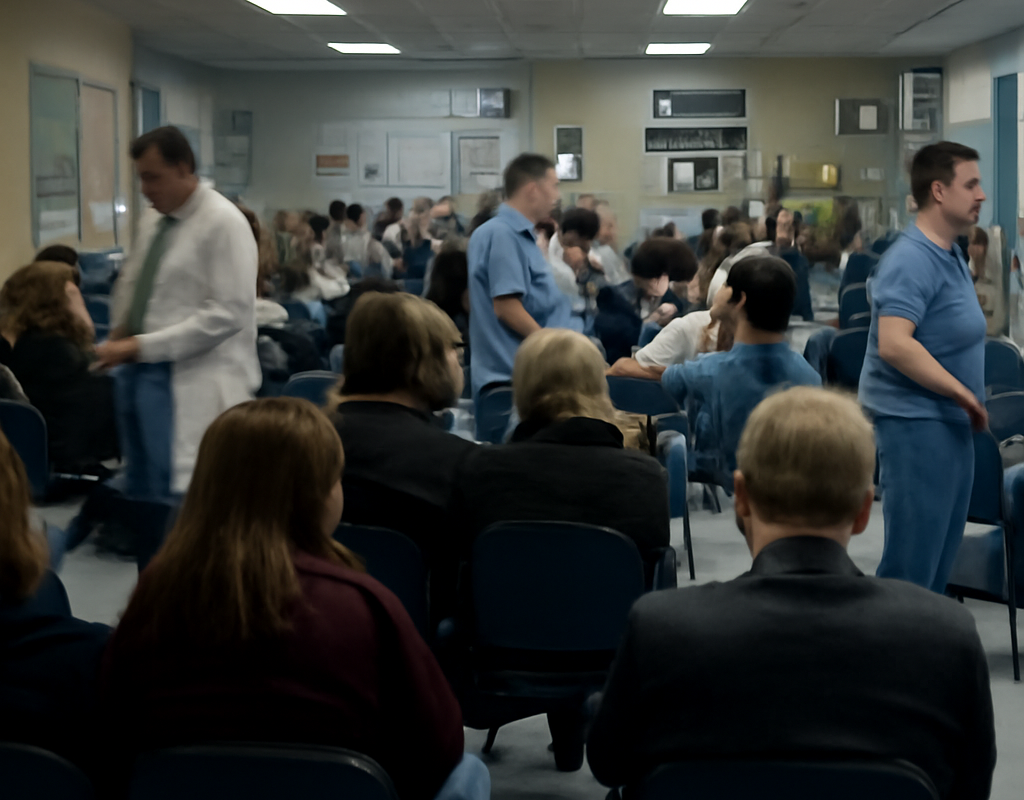
Ireland’s hospital overcrowding crisis is putting renewed pressure on the Health Minister as patients, staff and health services face continued strain. The developing story is among the key items in Breaking News and raises fresh questions about capacity, emergency department demand and the Government’s response.
What is happening in Ireland’s hospitals?
Hospitals are experiencing significant pressure from high patient numbers and limited bed capacity. Overcrowding can lead to longer waits in emergency departments, delays in admissions and additional demands on doctors, nurses and other healthcare workers.
The issue is not limited to one facility. Hospital pressure can affect patients across the system when beds are unavailable, scheduled treatment is disrupted or people remain in emergency departments while waiting for an appropriate ward bed.
Why the overcrowding crisis matters
Hospital overcrowding is both a patient-care concern and a wider public-services issue. When hospitals operate beyond comfortable capacity, the effects can include:
- Longer waiting times for assessment and treatment
- Delays in transferring patients from emergency departments to wards
- Greater pressure on ambulance services and community care
- Increased workloads for frontline healthcare staff
- Disruption to planned appointments and procedures
For patients, the experience can be confusing and stressful. People who require urgent medical attention may face delays, while those with less serious conditions may be directed towards alternative services where appropriate.
Health Minister under pressure
The Health Minister is facing scrutiny over how the health system is managing demand and whether existing measures are sufficient. The political focus is expected to include hospital capacity, staffing, discharge planning and access to care outside acute hospitals.
Any government response must address both immediate congestion and the causes that repeatedly place hospitals under pressure. Short-term measures may ease demand temporarily, but lasting improvement depends on coordination between hospitals, general practice, community services and social care.
The role of the HSE
The Health Service Executive has responsibility for operating public health services and coordinating responses across hospitals and communities. During periods of intense pressure, hospitals may introduce escalation measures, review available beds and work to discharge patients who are medically fit to leave.
Discharge planning can be affected by the availability of home-care packages, rehabilitation places, nursing-home beds and family support. As a result, hospital overcrowding cannot always be resolved by adding emergency department staff or opening temporary spaces alone.
What patients should know
Anyone experiencing a medical emergency should seek urgent help. In Ireland, people should call 112 or 999 when they need immediate emergency assistance. For non-emergency concerns, contacting a GP, pharmacist or other appropriate healthcare service may help patients avoid unnecessary emergency department visits.
Patients attending hospital should be prepared for possible delays during periods of extreme demand. Essential medication information, details of existing conditions and contact information for a family member can help staff assess and support patients more efficiently.
How the crisis could develop
The situation remains developing, and the extent of the pressure may vary between hospitals and regions. Further updates may come through the Department of Health, the HSE, individual hospitals and statements from political representatives.
Key issues to watch include:
- Whether additional beds or surge capacity will be made available
- Measures to speed up the discharge of patients who no longer need acute care
- Support for community healthcare and social-care services
- Any changes to planned hospital activity
- New figures showing emergency department attendance and waiting times
Frequently asked questions
What is hospital overcrowding?
Hospital overcrowding occurs when demand for care exceeds available space, beds, staff or supporting services. It is most visible in emergency departments but can affect the wider hospital network.
Who is affected by the crisis?
Patients, families, healthcare workers and ambulance services can all be affected. Delays in one part of the system may create knock-on effects elsewhere.
Where can patients seek advice?
For urgent or life-threatening symptoms, contact emergency services. For non-emergency concerns, patients can contact their GP, pharmacist or another suitable healthcare provider. Official HSE guidance should be checked for current service information.
What happens next?
The immediate test for the Government and health authorities will be whether they can reduce pressure while protecting patient safety. That means monitoring hospital capacity closely, supporting frontline workers and ensuring that patients can move through the health system when they are ready for the next stage of care.
The hospital overcrowding crisis also highlights a broader challenge for Ireland’s health service: emergency departments cannot work in isolation. Sustainable progress requires investment and coordination across primary care, hospitals, home support, rehabilitation and social care.
Conclusion
Ireland’s hospital overcrowding crisis is placing the Health Minister and the wider health system under renewed scrutiny. While the immediate focus is on relieving pressure in hospitals, the longer-term answer lies in improving capacity and patient flow across the entire health service. For the latest Breaking News, readers should rely on updates from official health authorities as the situation develops.