


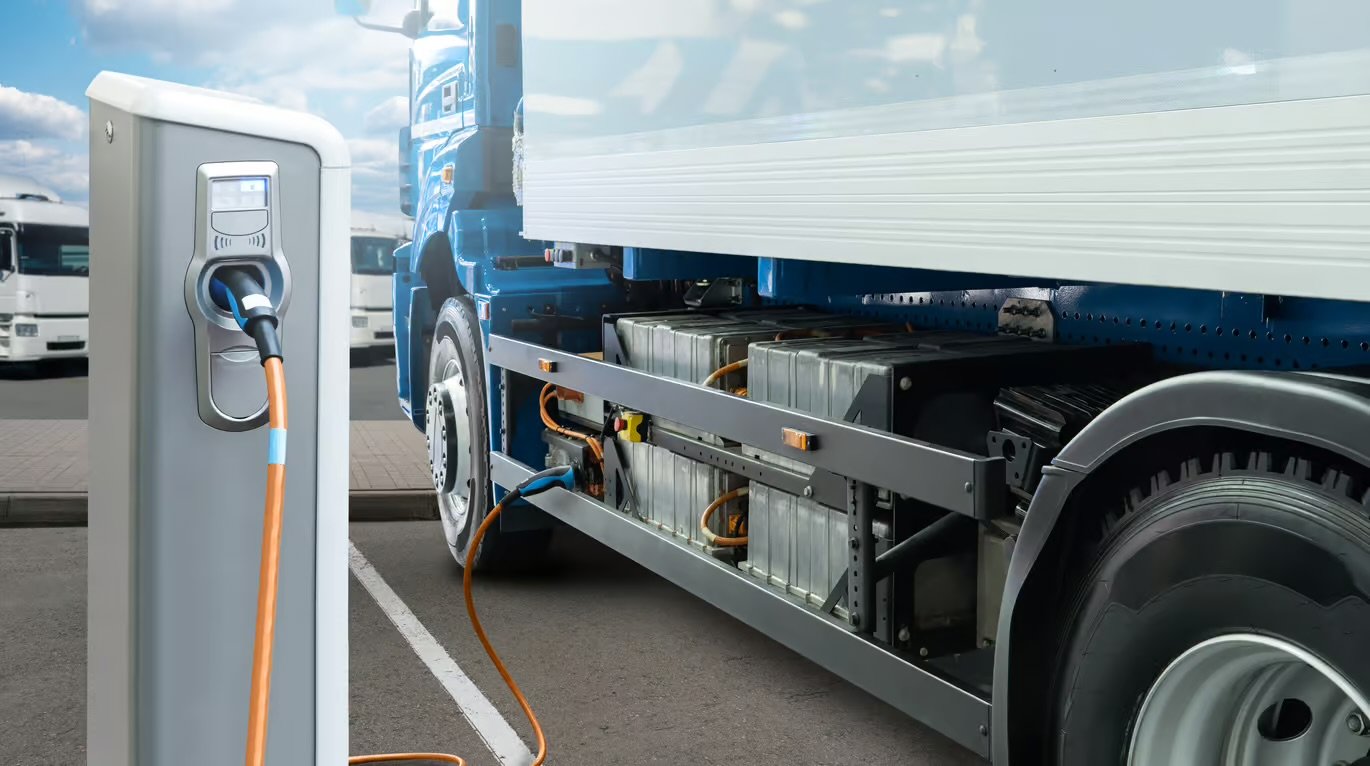
Summary: Ireland breaking news on transport shows electric heavy goods vehicles remain a tough sell for many Irish hauliers. Operators say high upfront costs, weak charging infrastructure, limited range and uncertain resale values are slowing adoption despite new grants and rising pressure to cut emissions.
Ireland breaking news from the haulage sector points to a clear gap between growing electric car sales and the much slower shift to electric trucks. While battery-powered cars have gained ground in the wider market, hauliers across Dublin, Limerick and Clare say electric HGVs are still practical only for short, predictable routes.
What happened?
Industry concern has sharpened after most of a €1 million State fund for zero-emission HGV infrastructure went unused last year. Only a small share of the money was drawn down, with much of that linked to administration rather than chargers on the ground.
That has fuelled criticism that Ireland is falling behind other markets in the move to cleaner freight. In Ireland, electric trucks make up only a small fraction of the fleet, well below adoption levels seen elsewhere in Europe and far behind China.
Why electric HGVs remain difficult in Ireland
Range and route limits
For some operators, electric trucks work on local or regional runs. One Dublin-based fleet has used electric Volvo trucks on routes around the capital and for return trips to Lisburn after charging on site. But operators say the current range still does not match the demands of long-distance haulage.
- Electric HGV range can suit urban and near-city delivery work
- Diesel remains far more flexible for UK and continental trips
- Charging delays can clash with driver-hours rules
Cost and infrastructure problems
Hauliers say commercial charging prices remain too high to make wider use viable. They also point to a lack of dedicated truck charging bays, meaning some vehicles must use car charging areas when on the road. For firms outside Dublin, the problem is even sharper.
According to operators, the main barriers include:
- High purchase prices
- Limited public charging for large vehicles
- Heavier batteries reducing payload efficiency
- Unclear resale value
Ireland news: grants may help, but doubts remain
The Government has updated its zero-emission heavy-duty vehicle grant scheme, with support of up to €500,000 a year for companies investing in electric trucks and buses. That may improve affordability, but many in the sector say grants alone will not solve the commercial reality.
For more Ireland news, transport updates and the Ireland daily digest, readers can follow related coverage on dailydigest.ie.
Conclusion
The latest news Ireland readers should note is that electric HGVs are not being ruled out by the industry, but most operators want better charging networks, lower energy costs and longer-range vehicles before making the switch at scale. In Ireland breaking news terms, the direction of travel is clear, but for trucking, the road to electrification still looks slow.