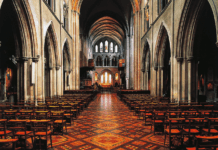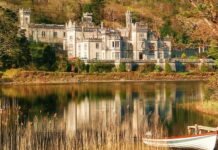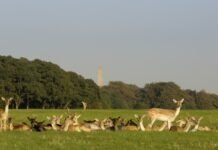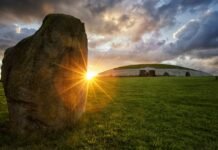


Ireland travel is often associated with dramatic western coasts, but the east of the island tells an equally unforgettable story. Ireland’s Ancient East blends lush landscapes, medieval towns and over 5,000 years of heritage, making it one of the most rewarding regions in any Ireland travel guide.
For visitors planning an Ireland vacation with a mix of culture, scenery and slower-paced discovery, this region offers prehistoric sites, castles, gardens and coastal landmarks that feel deeply connected to the island’s past. From sacred hills to Viking streets, it’s an ideal choice for travelers seeking the best places to visit in Ireland beyond the usual postcard circuit.
Why Ireland Travel to Ireland’s Ancient East Stands Out
Unlike routes focused purely on wild scenery, Ireland’s Ancient East invites you to experience history from the inside out. The region stretches across counties such as Meath, Wicklow, Kilkenny, Waterford, Wexford, Tipperary and Cork, where ancient monuments and elegant estates sit amid green valleys, winding rivers and charming market towns.
What makes it special is the variety. You can explore a monastic settlement in the morning, tour a castle in the afternoon and finish your day at a lighthouse overlooking the sea. For travelers building an Ireland itinerary for beginners, this area is easy to navigate and packed with memorable stops.
Top Tourist Attractions in Ireland’s Ancient East
If you are deciding which must see places in Ireland deserve a place on your route, start with these highlights:
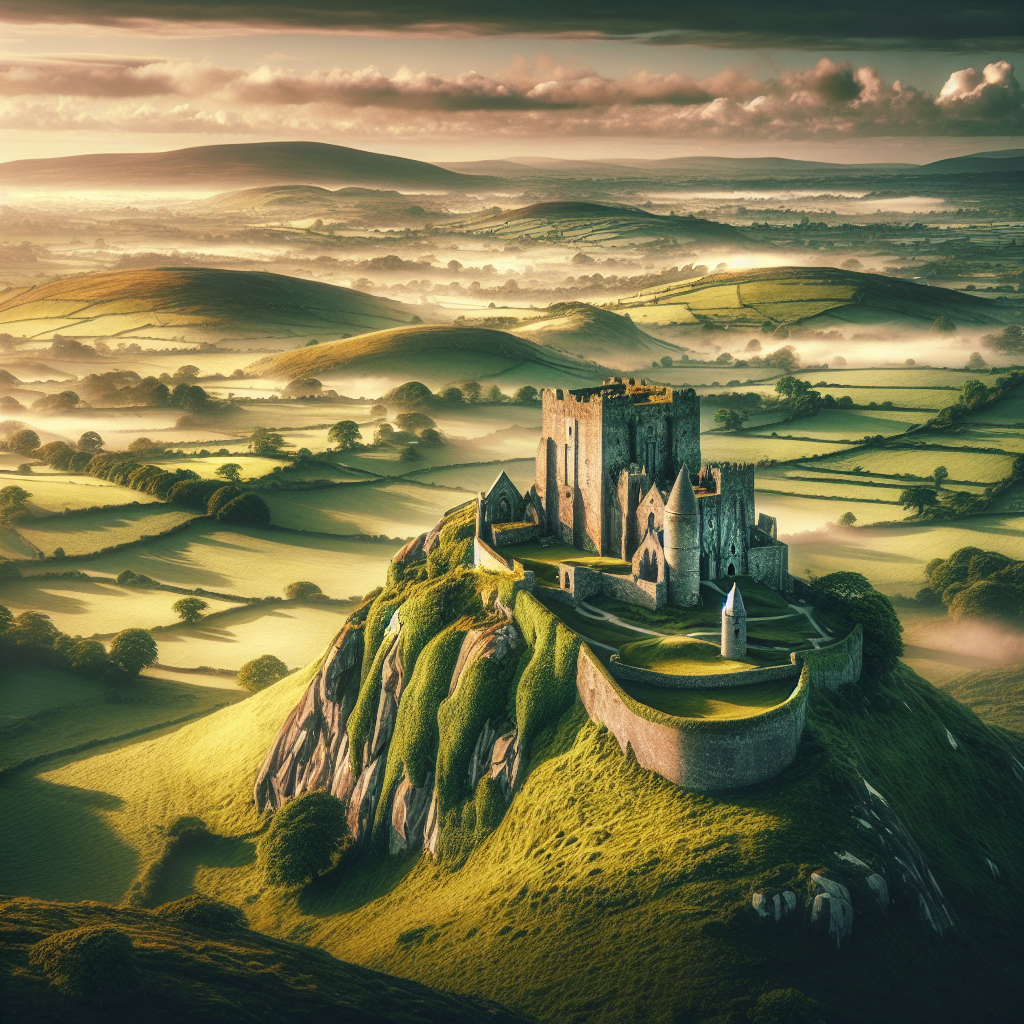
- Rock of Cashel, County Tipperary – A dramatic hilltop complex of medieval buildings wrapped in myth and legend.
- Glendalough, County Wicklow – One of the most atmospheric Ireland nature spots, combining a 6th-century monastic site with mountain scenery.
- Powerscourt Estate, County Wicklow – Famous for formal gardens, walking trails and grand estate views.
- Hill of Tara, County Meath – An ancient royal site linked to High Kings, folklore and early Irish power.
- Brú na Bóinne, County Meath – A UNESCO-listed prehistoric landscape with some of Europe’s finest megalithic art.
- Hook Head Lighthouse, County Wexford – A striking coastal landmark with sweeping sea views and deep maritime history.
- Spike Island, County Cork – A compelling island fortress reached by boat, known for layered military and prison history.
Hidden Gems and Scenic Places in Ireland
One of the best reasons to include this region in your Ireland trip is the number of quieter experiences available beyond the headline attractions. Travelers looking for hidden gems in Ireland will find gardens, heritage houses and lesser-known historic sites that reveal a more intimate side of the country.
Consider adding places such as Mount Congreve Gardens, Killruddery House and Gardens or medieval Waterford for a deeper sense of place. These stops are ideal for travelers interested in off the beaten path Ireland experiences, as well as couples seeking a more relaxed and romantic route.
Smart planning tips
- Allow at least 3 to 5 days to explore the region properly.
- Combine heritage sites with walks, gardens and coastal viewpoints.
- Book timed entry in advance for popular attractions in peak season.
- Travel spring through early autumn for longer days and easier sightseeing.
Best Time and Style of Visit
The best time to visit Ireland for tourists is typically from April to October, when gardens are in bloom and historic sites are at their most inviting. That said, shoulder season can be excellent for fewer crowds and better value. If you are comparing options for an Ireland vacation cost, the east can often be more flexible than heavily visited coastal routes, especially when you stay in smaller towns.
Whether you are planning a short cultural break or adding this region to a wider island journey, Ireland’s Ancient East deserves a place in modern Ireland travel. It combines storytelling, scenery and heritage in a way few destinations can match. For anyone seeking meaningful Ireland travel experiences, this is where the island’s past feels vividly alive.
Image courtesy: use the source article image featuring Rock of Cashel, Glendalough, Powerscourt Estate or Hook Head Lighthouse with proper credit to the original photographer and Tourism Ireland/source page.