


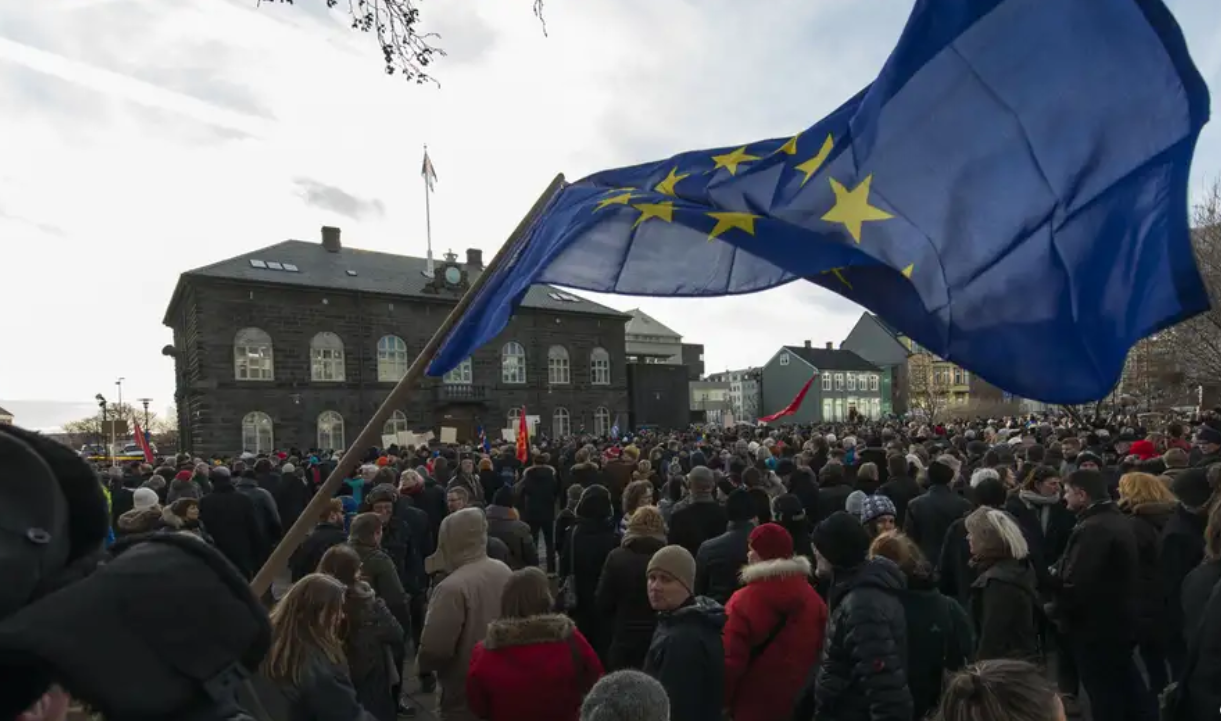
Iceland is heading into a high-stakes political decision this summer, and the outcome could ripple far beyond Reykjavik. While Ireland breaking news often focuses on domestic issues, this referendum matters because it touches on sovereignty, trade, security and Europe’s shifting political balance.
In August, Icelanders will vote on whether to restart talks on joining the European Union. It is not a vote on full membership yet, but it would reopen a process that has been frozen for years. On paper, Iceland looks like a relatively easy fit for the EU: it is already part of the Schengen area, tied into the single market through the EEA, and closely aligned with many EU rules.
Iceland’s EU debate is really about control
The biggest obstacle is fishing. For Iceland, this is not just an industry but a pillar of national identity and economic independence. Any suggestion that Brussels could influence access to Icelandic waters is politically explosive.
- Fishing rights remain the central issue
- Sovereignty concerns are driving opposition
- The euro and agriculture may also become campaign flashpoints
Supporters argue that Europe offers security and influence at a time of growing geopolitical uncertainty. Critics say membership would mean giving up too much national control.
Why the vote matters beyond Iceland
The backdrop has shifted. Donald Trump’s rhetoric on Greenland, wider tariff threats, and pressure on European unity have sharpened the argument that small states are safer inside larger alliances. That is one reason this story is drawing attention in latest Irish news and wider European coverage.
A yes vote would only begin fresh negotiations, likely lasting years, followed by another referendum on actual membership. That means August’s ballot is important, but far from the final word.
Quick read and analysis
For Ireland and other small European countries, Iceland’s debate is familiar: how do you balance sovereignty with the economic and security benefits of integration? The answer will matter not only to Icelanders, but to anyone watching Europe’s future take shape. In that sense, this is more than Ireland breaking news readers looking abroad; it is a live lesson in how national interest and regional power collide.
Image Courtesy: The Irish Times