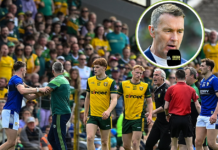


International Rules has always given GAA Ireland something rare: a familiar game that suddenly feels unpredictable. The most interesting part of Australia naming its squad is not just who is coming, but what it says about a rivalry built over decades, from packed days at Croke Park to tight modern tests decided by a handful of moments.
This is not a new experiment dressed up as novelty. Ireland and Australia have been at this since the late 1960s, when touring Australian Rules sides first crossed over for games against Gaelic football opposition. Those early contacts led to return visits, bigger fixtures and, eventually, a full test series. By the time the annual format took hold in the late 1990s, International Rules had become a genuine fixture in the wider conversation around Irish sports news.
What Australia’s squad means for GAA Ireland
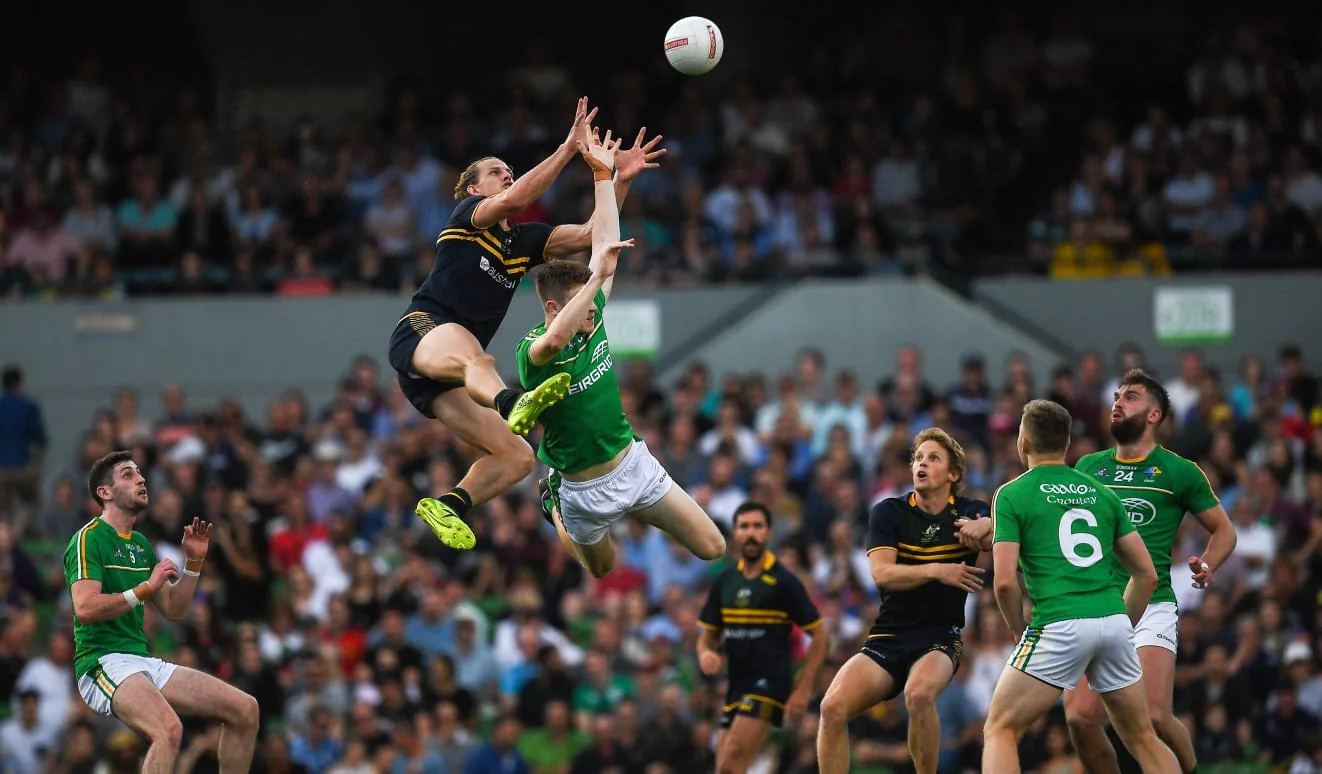
For followers of GAA Ireland, the appeal lies in the clash of styles. Gaelic football instincts still matter, but International Rules forces players to think differently. The ball moves faster, the tackling asks more questions, and the scoring system changes how teams manage momentum. A two-minute swing can flip the entire match preview Ireland fans build in their heads.
The history tells you why this game still grabs attention:
- Australia first toured Ireland in 1967, opening at Croke Park in front of more than 23,000 spectators.
- The rivalry deepened through return visits and test matches in the 1980s.
- The series became an annual event in 1998, giving both countries a regular cross-code contest.
- Ireland reclaimed the Cormac McAnallen Cup in 2015 with a narrow 56-52 win.
That 2015 test also brought rule tweaks that sharpened the spectacle. Goalkeepers had to drive kick-outs beyond the 45-metre line after wides, behinds and overs, encouraging aerial contests and putting taller players under the spotlight. Officials also increased the number of consecutive handpasses from four to six, lifted interchanges to 15 per quarter, and removed marks for backward kicks. The effect was clear: quicker transitions, less dead play and more pressure on decision-making.
That matters to GAA Ireland because these games sit at a crossroads between codes. Fans who spend weekends following GAA results, Irish rugby, the League of Ireland or soccer Ireland can all recognise something in it. It has the field position battles of rugby Ireland, the transition speed of Irish football, and the one-on-one contests that make any hybrid sport compelling.
There is also a broader sporting angle. In a crowded national schedule that includes athletics Ireland, growing coverage of women’s sport Ireland, and strong local interest in community sport, International Rules offers a different kind of event: part history lesson, part live experiment. It is the sort of fixture that rewards fans who like tactics as much as talent.
For anyone looking for simple sports tips on how to watch it, start with three things:
- Track the kick-out battle, especially under the 45-metre rule.
- Watch how quickly teams use their six handpasses before they are forced into riskier kicks.
- Pay attention to interchanges late in each quarter, when fresh legs can change territory and scoring chances.
The next chapter in GAA Ireland‘s International Rules story matters because this fixture has never been just exhibition fare. It tests adaptability, exposes weak habits, and gives supporters a fresh way to view Gaelic football talent against elite Australian opposition. Australia’s squad naming is the starting gun. What comes next is the part that always keeps this rivalry alive: can Ireland solve the hybrid challenge again when the game speeds up and the space tightens?